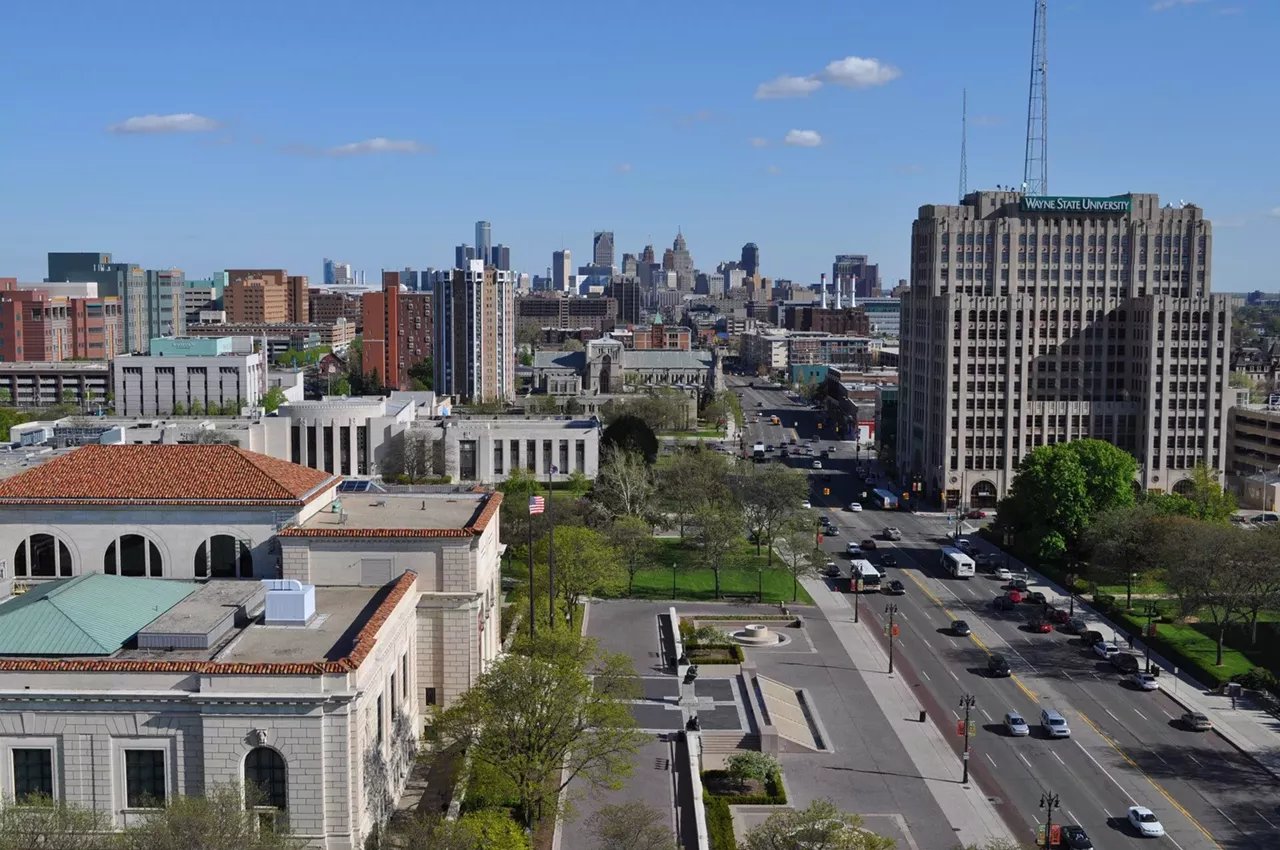
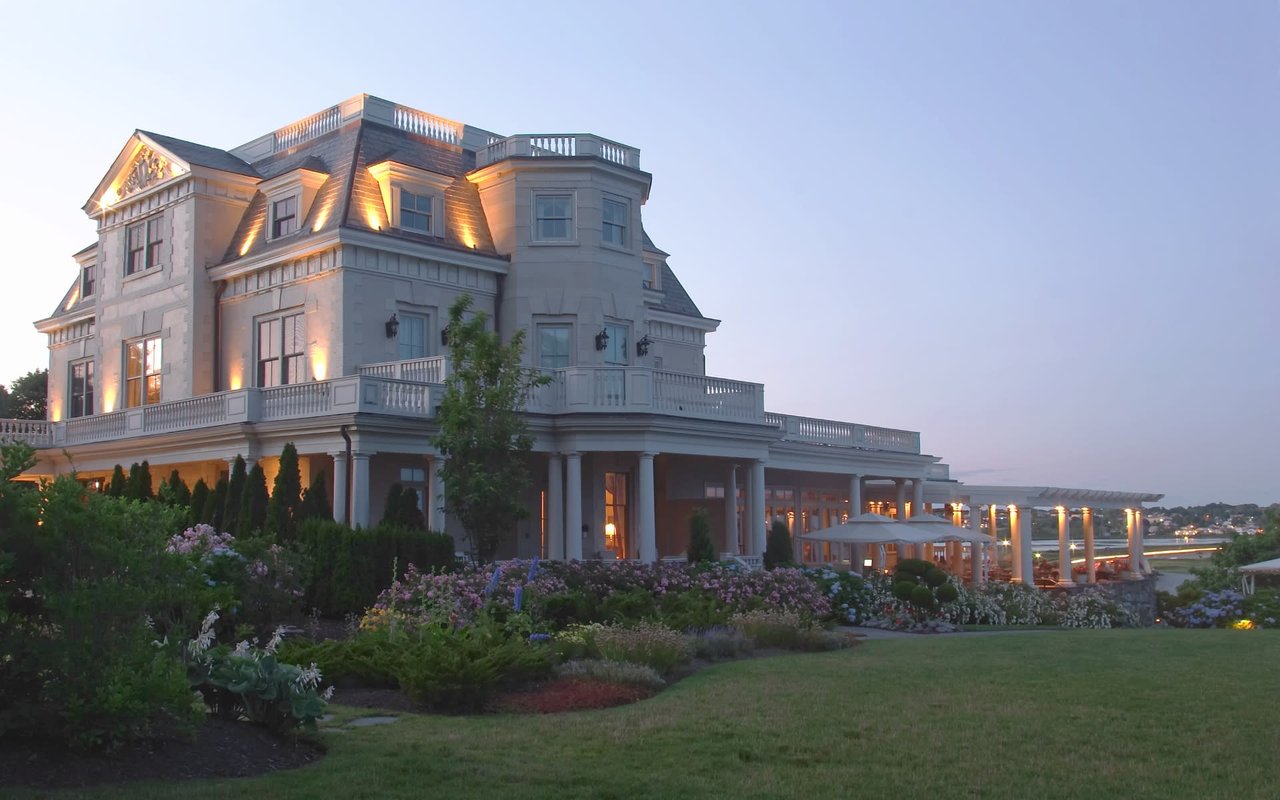
At first glance, brick might seem like one of the most ordinary parts of a home. It’s solid, dependable, familiar. But to a trained eye, brick is anything but ordinary, it’s a timeline, a design statement, and a reflection of the era in which a home was built.
Architectural historians and preservation experts can often date a building within a decade simply by studying its brick. The color, texture, size, mortar, and even the way the bricks are laid all provide clues. In many older cities throughout the Midwest, brick doesn’t just make up the buildings, it is the identity of the neighborhoods themselves.
Brick tells us not only when a home was built, but why it looks the way it does.

Why Brick Became the Building Material of Choice
In many historic American cities, brick rose to prominence out of both necessity and style. In the late 19th century, devastating urban fires reshaped the way cities thought about construction. Entire neighborhoods built primarily from wood were lost in a matter of hours, exposing the vulnerabilities of fast-growing industrial cities. In the aftermath, brick emerged as a clear solution, durable, fire-resistant, and capable of withstanding the density and demands of urban life far better than timber ever could.
Geography also played a crucial role. Many cities, particularly throughout the Midwest, sat atop rich clay deposits, making brick not only practical but remarkably accessible. Clay could be sourced locally, fired nearby, and transported short distances, keeping costs down and production efficient. This availability allowed cities to rebuild quickly and on a massive scale, transforming destruction into opportunity.
Timing mattered just as much as materials. By the late 1800s, brick manufacturing had become increasingly mechanized. Advances in kilns, molds, and transportation meant bricks could be produced in quantities never before possible. Builders were no longer limited by slow, hand-formed production. What followed was an architectural boom, entire blocks, corridors, and neighborhoods constructed almost exclusively from brick. While unified by material, these areas still reflected the evolving tastes, technologies, and aspirations of their era, from modest worker housing to ornate residential and commercial buildings designed to signal permanence and progress.
Reading the Eras Through Brick Design
Brick trends, much like fashion, evolve in cycles.
-
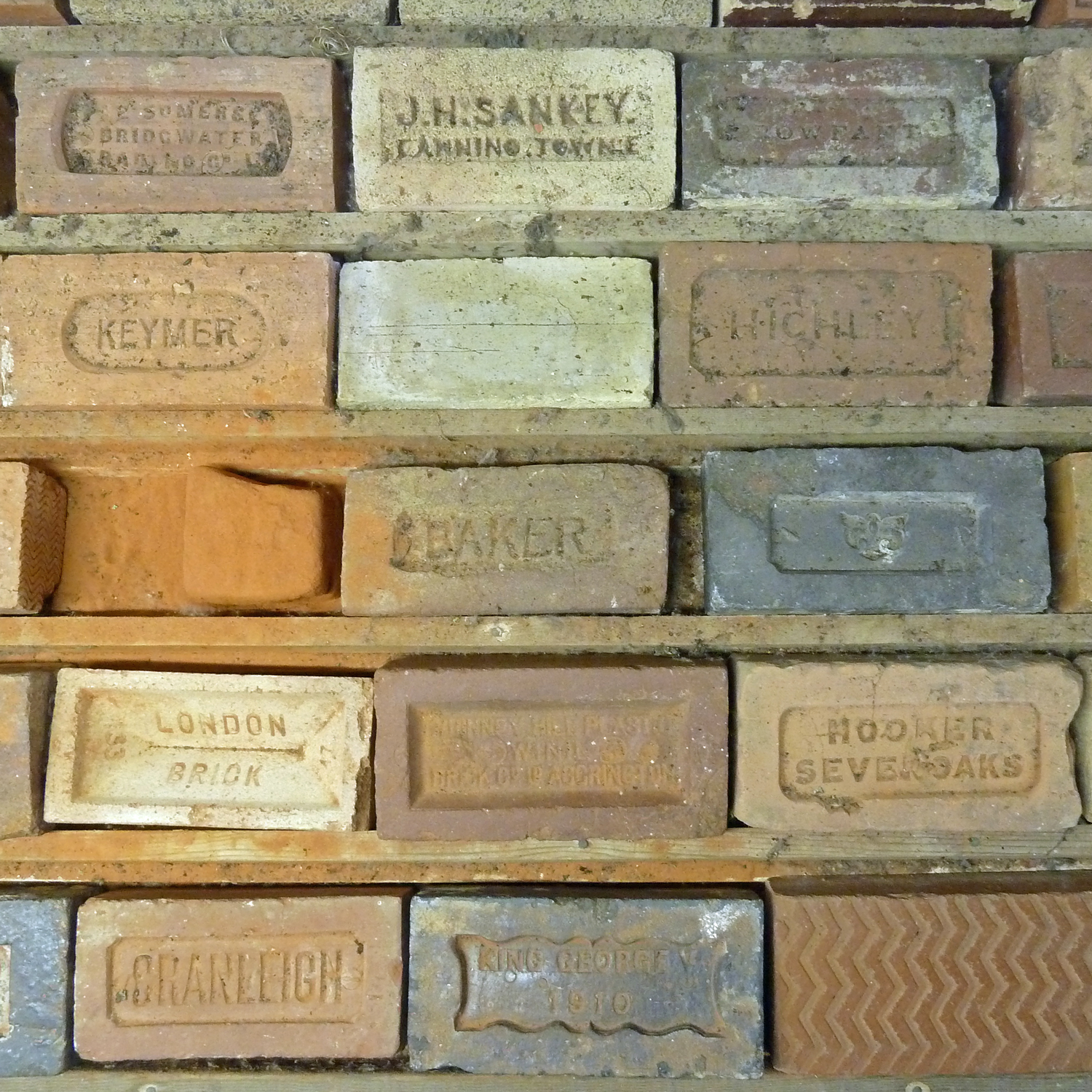
Late 1800s: Smooth, uniform red bricks dominated. These were among the first machine-made bricks, and their consistency was a point of pride.
-
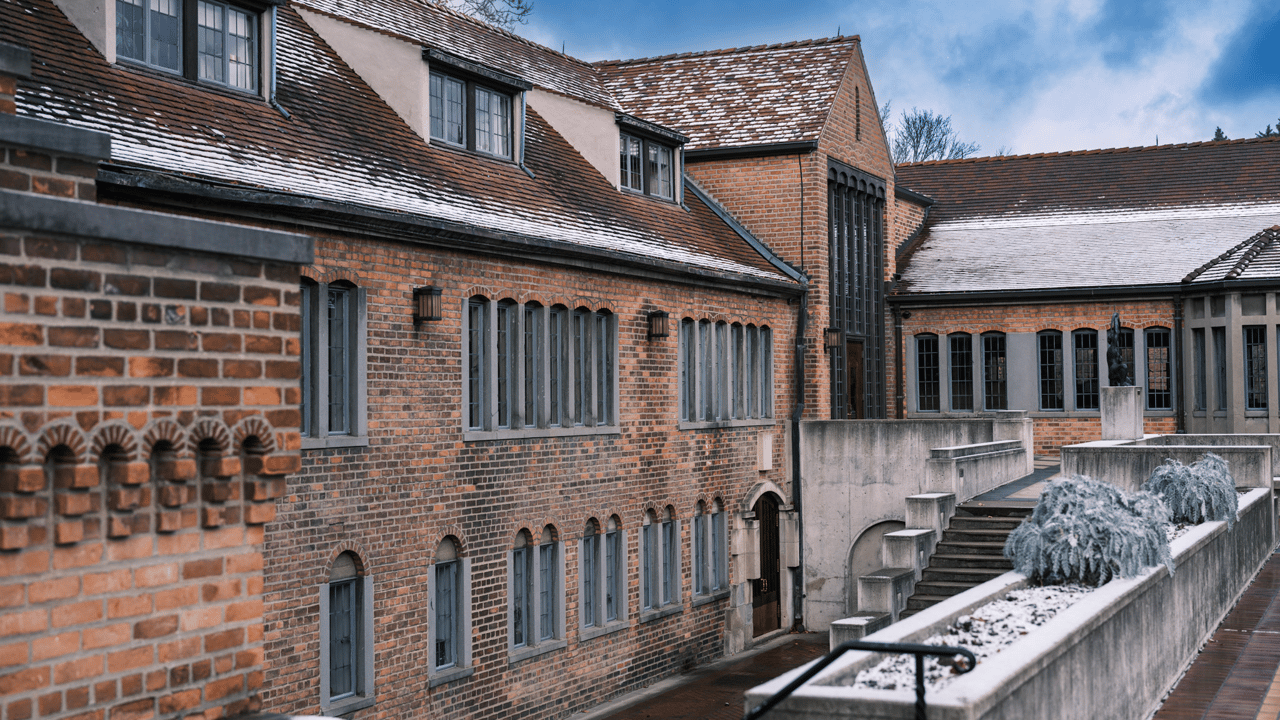
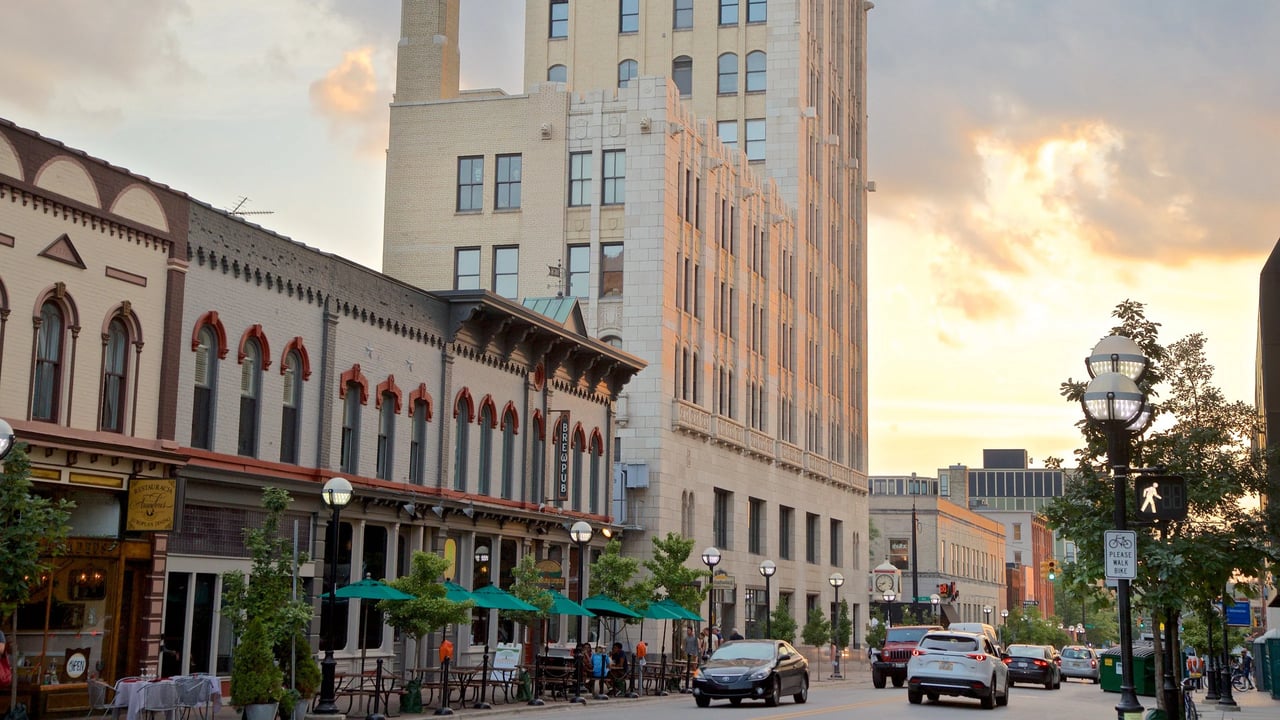
Early 1900s–1920s: Creativity took over. Builders experimented with multicolored bricks, rough textures, decorative patterns, and ornate details. Brick was treated almost like fabric, woven into façades with visual movement and personality.
-
1930s–1950s: Design shifted toward simplicity. Smooth, muted bricks in grays and yellows reflected a desire for modernism and cleanliness, rejecting ornamentation in favor of sleek lines.
-
1960s–1970s: Texture returned, often warmer and more organic. Brick began appearing indoors as well as out, creating a connection between interior and exterior spaces.
-
1980s–1990s: Lighter colors and pastel tones emerged, often paired with traditional suburban forms like bay windows and gables.
-
Today: Modern brick often leans dark and dramatic, blackened, metallic, or industrial, designed to complement glass, steel, and open-concept interiors.
Each shift wasn’t random. It reflected economic conditions, labor costs, cultural taste, and the materials people valued at the time.
Why Brick Maintenance Matters More Than You Think
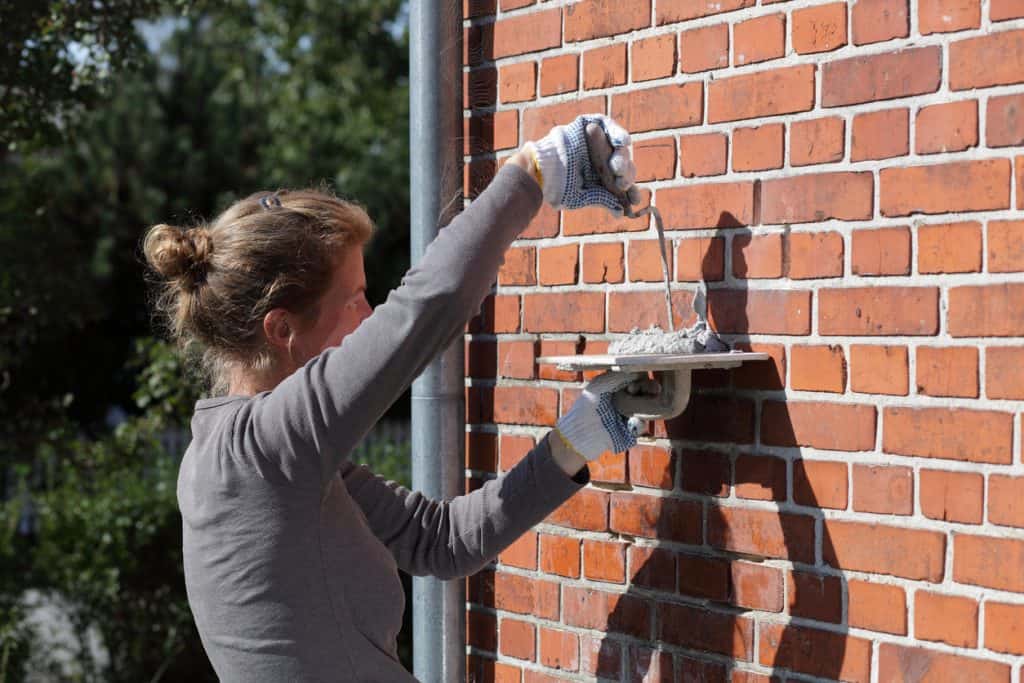
One of the most surprising lessons for homeowners is that brick itself is rarely the source of structural issues, it’s the mortar that deserves the most attention.
Historic brick homes were built using lime-based mortar, a material intentionally designed to be softer and more flexible than the brick it binds together. That flexibility is essential. As temperatures shift throughout the seasons, brick walls naturally expand and contract. Lime mortar moves with the brick, absorbing stress and preventing cracks from forming. It also plays a vital role in moisture management, drawing water away from the brick and allowing it to evaporate gradually, helping the wall dry safely and evenly.
Modern cement-based mortars, while incredibly strong, are often too strong for historic brick. When used on older homes, these rigid mortars prevent natural movement and trap moisture inside the wall. Over time, pressure builds. The brick, softer than the mortar, begins to crack, spall, or deteriorate. Inside the home, that trapped moisture can show up as efflorescence, damp basements, or interior wall damage, all signs that the wall can no longer breathe as it was designed to.
Paint introduces a similar risk. Traditional brick is meant to be porous. When sealed with standard house paint, moisture can enter the wall but has no way to escape. The result is long-term damage that often isn’t visible until it becomes costly. For homeowners seeking a color change, breathable options like brick stain or limewash allow moisture to pass through while still altering the appearance.
Even cleaning requires a careful hand. Brick gains much of its durability from its hard-fired outer surface. Aggressive power washing or sandblasting can strip that protective layer away, permanently weakening the brick and accelerating deterioration. With historic materials, gentler is almost always better.

What This Means for Homeowners Today
If you own, or are considering buying, a brick home, understanding its materials is an essential part of understanding its long-term value. Brick homes are often admired for their beauty and longevity, but their durability isn’t automatic. It depends on thoughtful care, informed maintenance, and respect for the materials used at the time they were built.
Preservation isn’t about freezing a home in time, it’s about allowing it to function as intended. Choosing the right contractor, using appropriate materials, and avoiding quick fixes can make the difference between a home that ages gracefully and one that slowly deteriorates beneath the surface.
Brick isn’t just what holds a home together structurally. It holds the history of the people who built it, lived in it, and cared for it over decades, sometimes centuries. And sometimes, all it takes is slowing down, coffee in hand, to really see what those walls have been trying to tell us all along.