Long before streaming services and multiplexes, Metro Detroit gathered under ornate ceilings and glowing marquees. Theaters were once civic landmarks, places where neighborhoods dressed up, downtowns thrived, and shared experiences unfolded night after night. In a region shaped by industry, innovation, and cultural ambition, these theaters reflected Detroit’s belief in grandeur, artistry, and public life.
Today, many of these historic venues have been lovingly restored, repurposed, or reimagined, serving once again as anchors for arts districts and downtown revitalization. Others remain cherished reminders of a golden era in cinema and live performance. Together, they form a cultural map of Metro Detroit’s past and present.
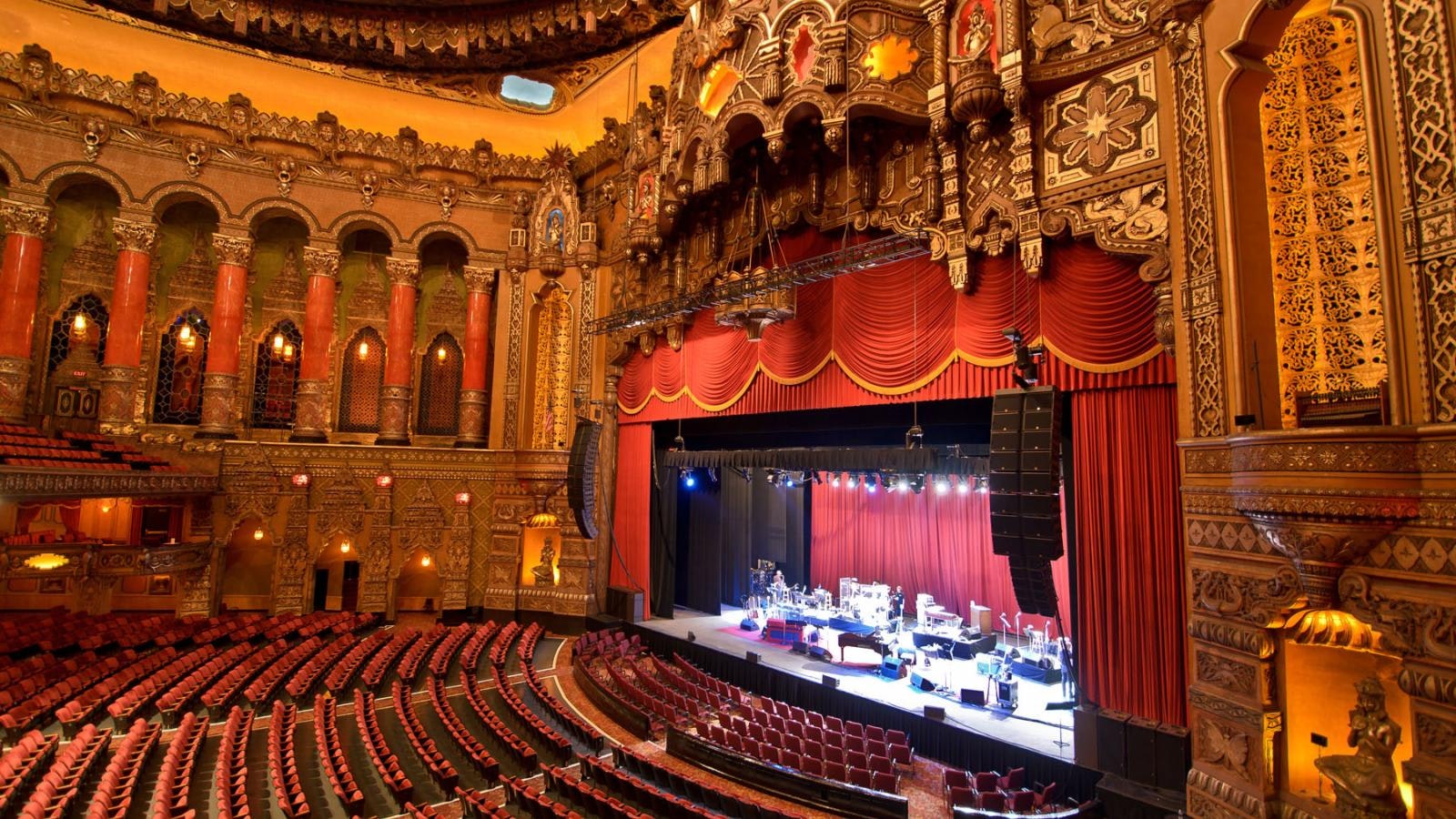
The Fox Theatre: Detroit’s Crown Jewel
Few theaters in America rival the Fox Theatre in scale, splendor, or historical significance. Opened in 1928, the Fox was envisioned as a palace for the people, blending Moorish, Asian, and Baroque design into a breathtaking interior that still leaves first-time visitors stunned. With its massive stage and seating for over 5,000 guests, the Fox has hosted everything from vaudeville acts and classic films to Broadway tours and major concerts.
Saved from demolition in the late 20th century, the Fox became a cornerstone of Detroit’s downtown revival. Its restoration helped prove that historic preservation could be both culturally meaningful and economically transformative, a theme echoed throughout the region.
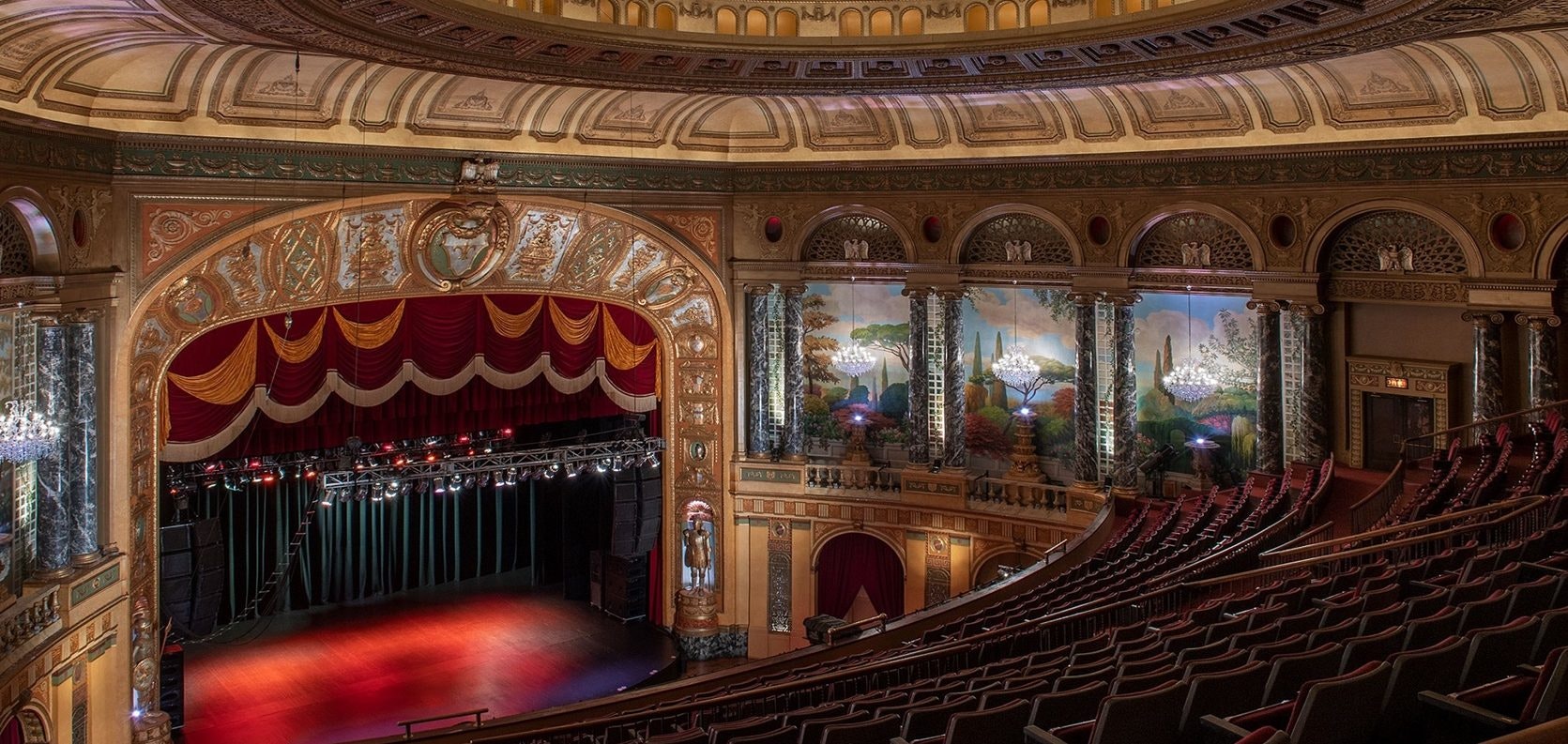
The Fillmore Detroit
Originally opened in 1925 as the State Theatre, the Fillmore Detroit has lived many lives. Designed in ornate Renaissance Revival style, it served as a movie palace during cinema’s golden age before transitioning into a live music venue. Today, it hosts touring bands, comedians, and special events, blending historic architecture with modern sound and lighting.
Located just steps from the Fox and Comerica Park, the Fillmore plays a key role in Detroit’s entertainment district, proving that historic theaters can adapt while retaining their soul.
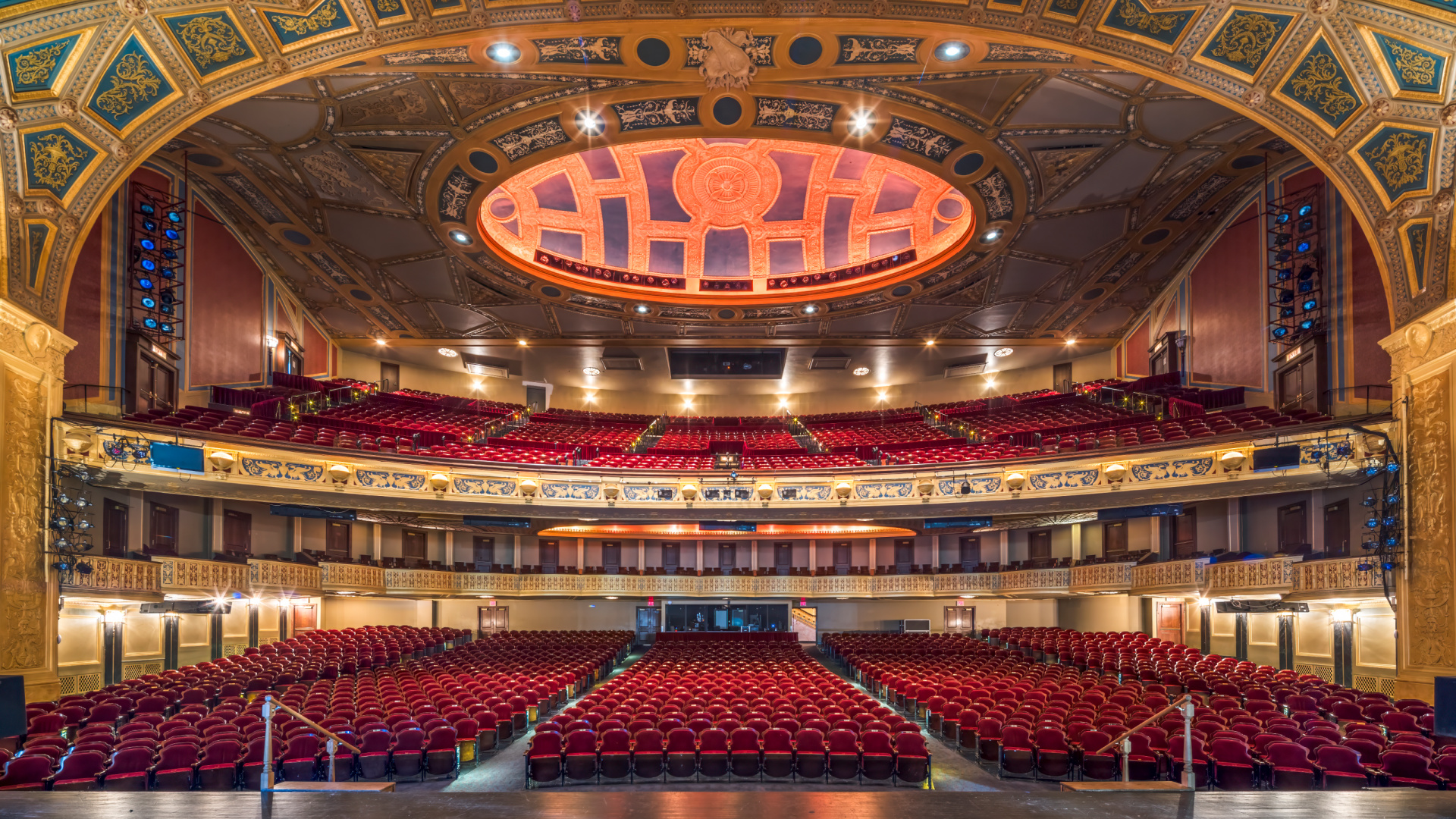
The Detroit Opera House
The Detroit Opera House opened in 1922 and quickly became one of the city’s most prestigious cultural institutions. Its neoclassical façade and richly decorated interior were designed to reflect refinement and artistic excellence. Over the decades, the venue hosted opera, ballet, Broadway productions, and even early film screenings.
After a major restoration in the 1990s, the Opera House reclaimed its role as a premier performance venue. Today, it stands as a testament to Detroit’s enduring commitment to the performing arts and architectural preservation.

The Redford Theatre
On Detroit’s northwest side, the Redford Theatre offers a more intimate but no less magical experience. Built in 1928, the Redford is known for its Japanese-inspired décor and original Barton organ, which is still played before select screenings. Operated by a nonprofit organization, the theater focuses on classic films, community events, and education.
The Redford embodies the neighborhood cinema tradition, proof that historic theaters don’t have to be downtown landmarks to be culturally significant.

The Senate Theater
Just a few miles from the Redford, the Senate Theater has become a powerful example of grassroots preservation. Built in 1951, the Senate fell into disrepair before being revived by a dedicated group of volunteers. Today, it functions as a community-centered cinema and performance space, hosting classic movies, live organ performances, and educational programming.
The Senate’s rebirth underscores how historic theaters can foster local pride and cultural continuity, even outside major commercial districts.
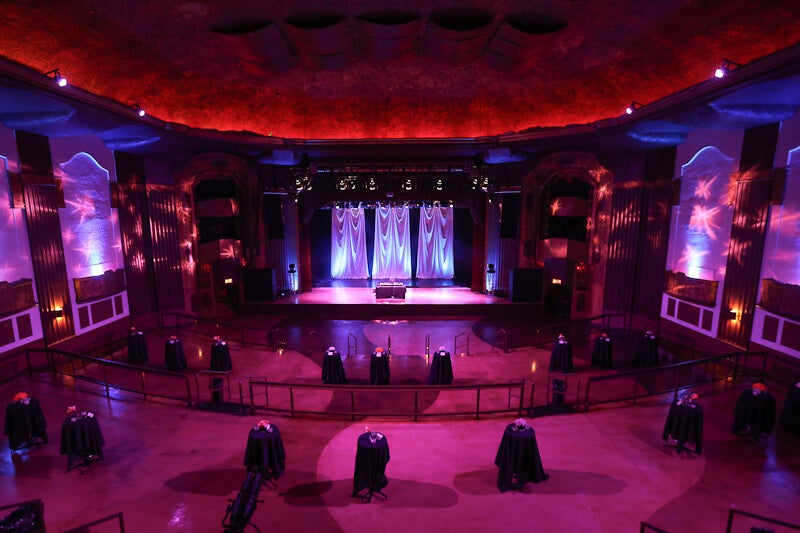
The Royal Oak Music Theatre
Opened in 1928, the Royal Oak Music Theatre brought grand entertainment beyond Detroit’s city limits. Originally a vaudeville and movie house, it later evolved into a prominent live music venue. Its Spanish Revival architecture and intimate layout make it a favorite among performers and audiences alike.
As downtown Royal Oak has grown into one of Metro Detroit’s most walkable and vibrant districts, the theater remains a cultural anchor, connecting past and present.
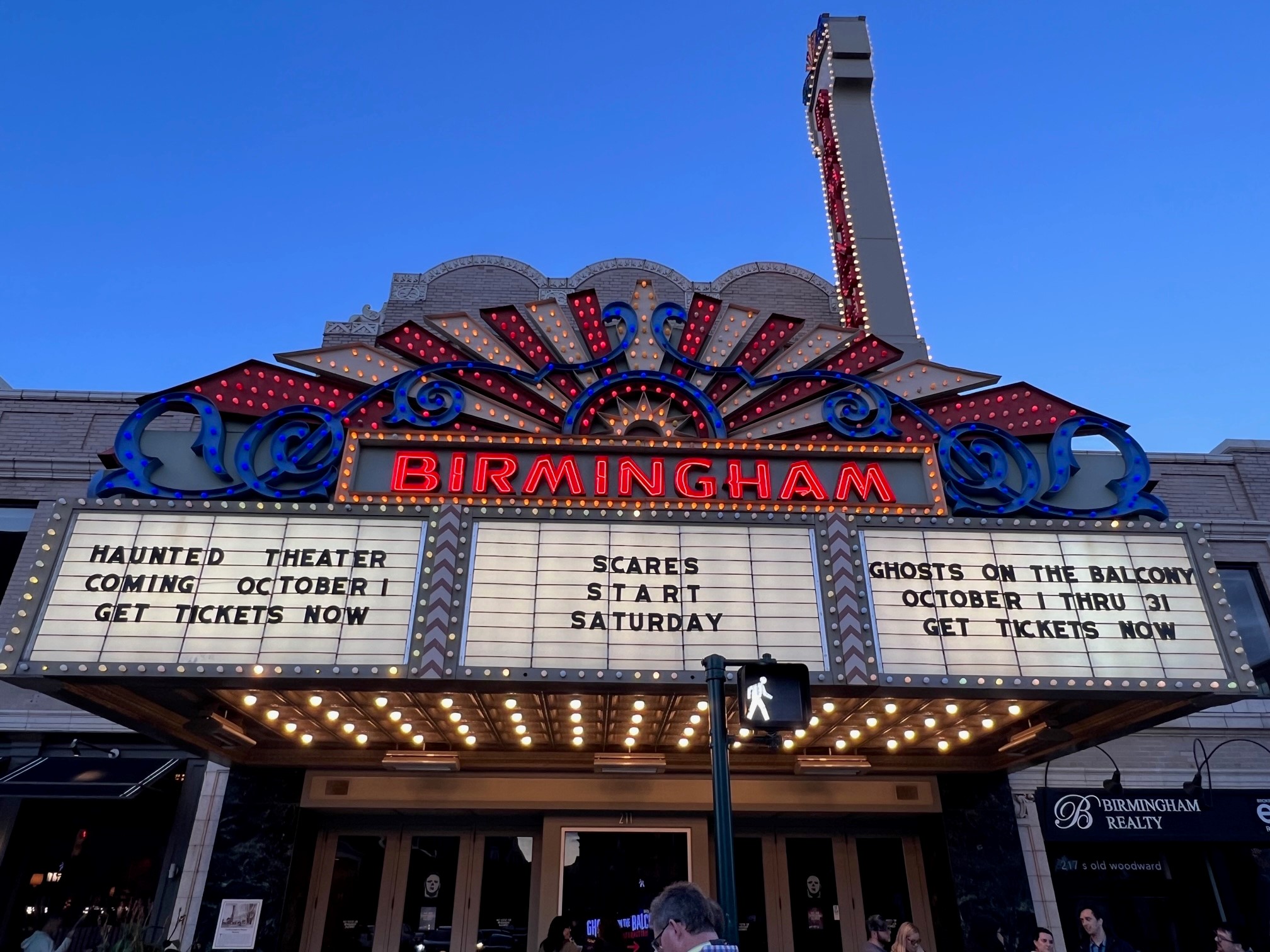
The Birmingham 8 and Suburban Cinema Evolution
While not as ornate as downtown movie palaces, historic suburban cinemas like the Birmingham 8 reflect a different chapter in regional entertainment history. These venues represent the mid-century shift toward neighborhood convenience and evolving audience habits. Many have been modernized, but their locations and layouts still speak to a time when going to the movies was a regular communal ritual.
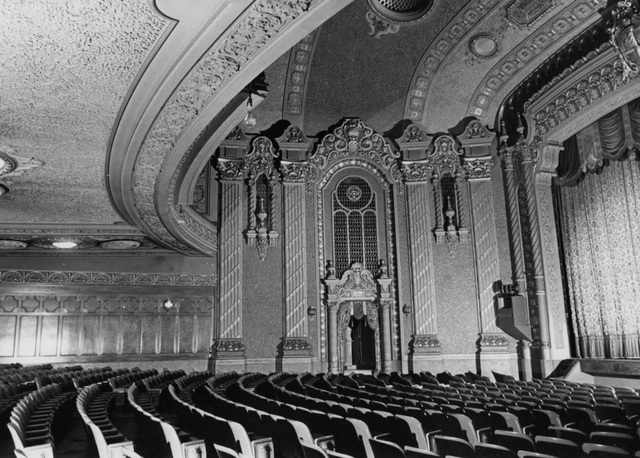
The Michigan Theater
No discussion of Detroit’s theaters is complete without acknowledging the Michigan Theatre, once one of the most opulent movie palaces in the world. Opened in 1926, it was later demolished in the 1970s, with part of its interior famously repurposed as a parking garage. Though no longer intact, the Michigan Theatre remains a symbol of both Detroit’s losses and its lessons, fueling today’s preservation efforts across the region.
Why These Theaters Still Matter
Metro Detroit’s historic theaters are more than beautiful buildings. They are living records of how communities gathered, how culture was shared, and how architecture expressed optimism and ambition. Their survival and revival mirror the broader story of the region itself, challenged, resilient, and deeply creative.
In many neighborhoods, these theaters have helped spark reinvestment, foot traffic, and renewed civic pride. They remind us that preservation is not about freezing time, but about carrying stories forward.
Exploring Metro Detroit’s historic theaters and cinemas is an invitation to step into the past while witnessing the power of thoughtful restoration. Each marquee, balcony, and velvet curtain tells a story of a region that believed, boldly, in the shared experience of art and entertainment.
As Metro Detroit continues to evolve, these theaters remain cultural touchstones, proving that history, when cared for, can be one of the most compelling assets a community has.