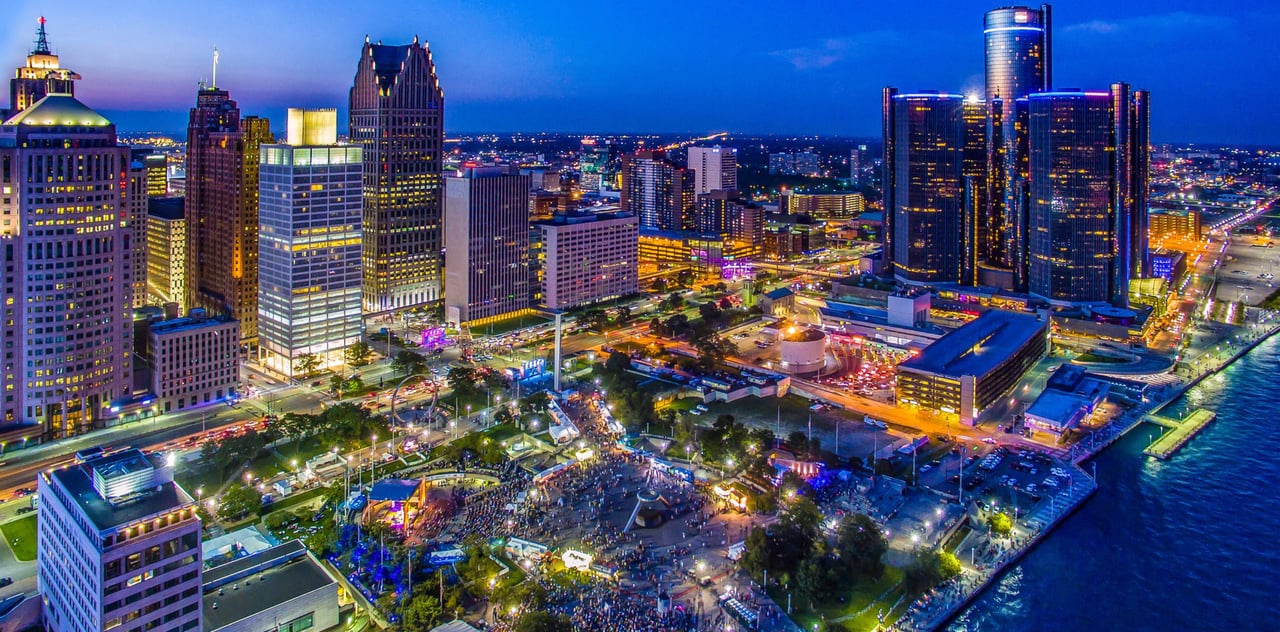
For much of its history, Detroit has been a city defined by reinvention. From its rise as the automotive capital of the world to the challenges that followed decades of population loss and economic change, Detroit has never been a city that stands still. It adapts, evolves, and continuously reshapes itself. Over the last decade, however, the pace and visibility of that evolution have become particularly remarkable.
While national headlines often focus on major developments, billion-dollar investments, and new construction projects, the true story of Detroit’s transformation can be found within its neighborhoods. It can be seen in restored historic homes, revitalized commercial corridors, new small businesses, public spaces filled with activity, and residents who have continued to invest their time, energy, and passion into the communities they call home.
What makes Detroit's story especially compelling is that its evolution has not followed a single path. Every neighborhood has experienced change differently. Some areas have seen rapid development and population growth, while others have focused on preservation, stabilization, and community-driven improvements. Together, these individual stories create a broader picture of a city that continues to redefine itself while remaining deeply connected to its history.

Downtown Detroit: From Destination to Neighborhood
Perhaps no area better illustrates Detroit's evolution over the last decade than downtown.
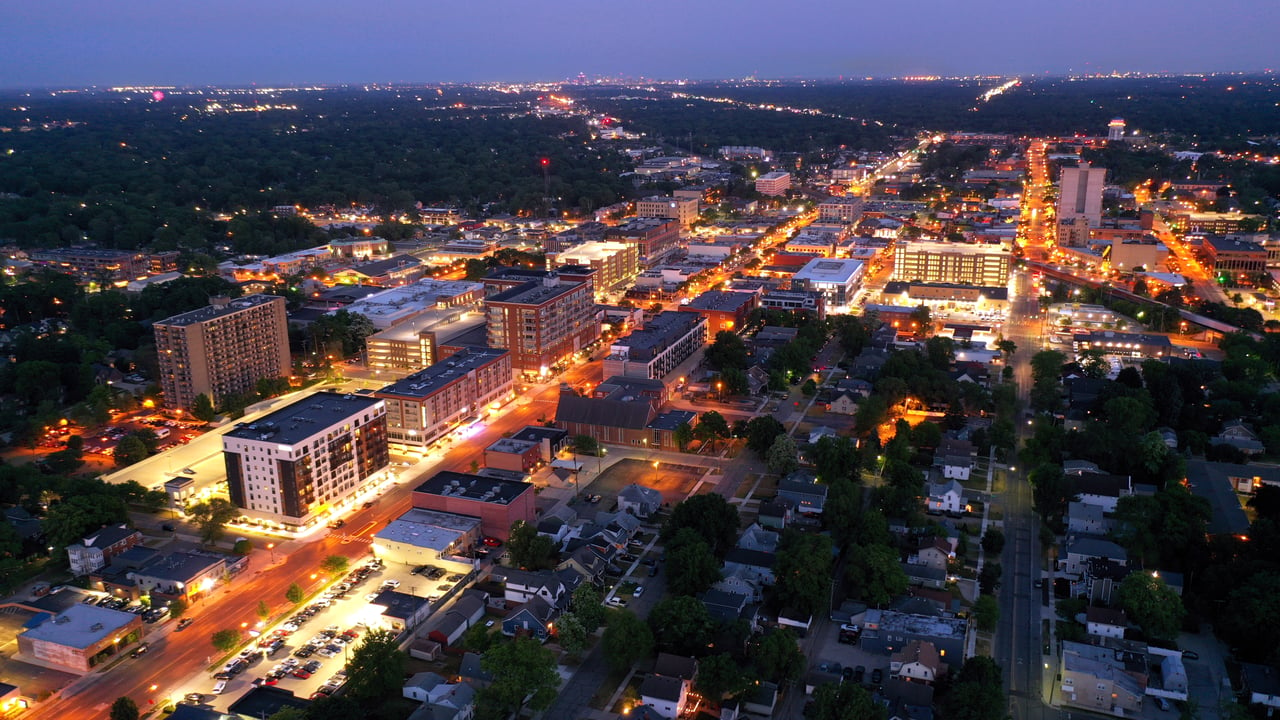
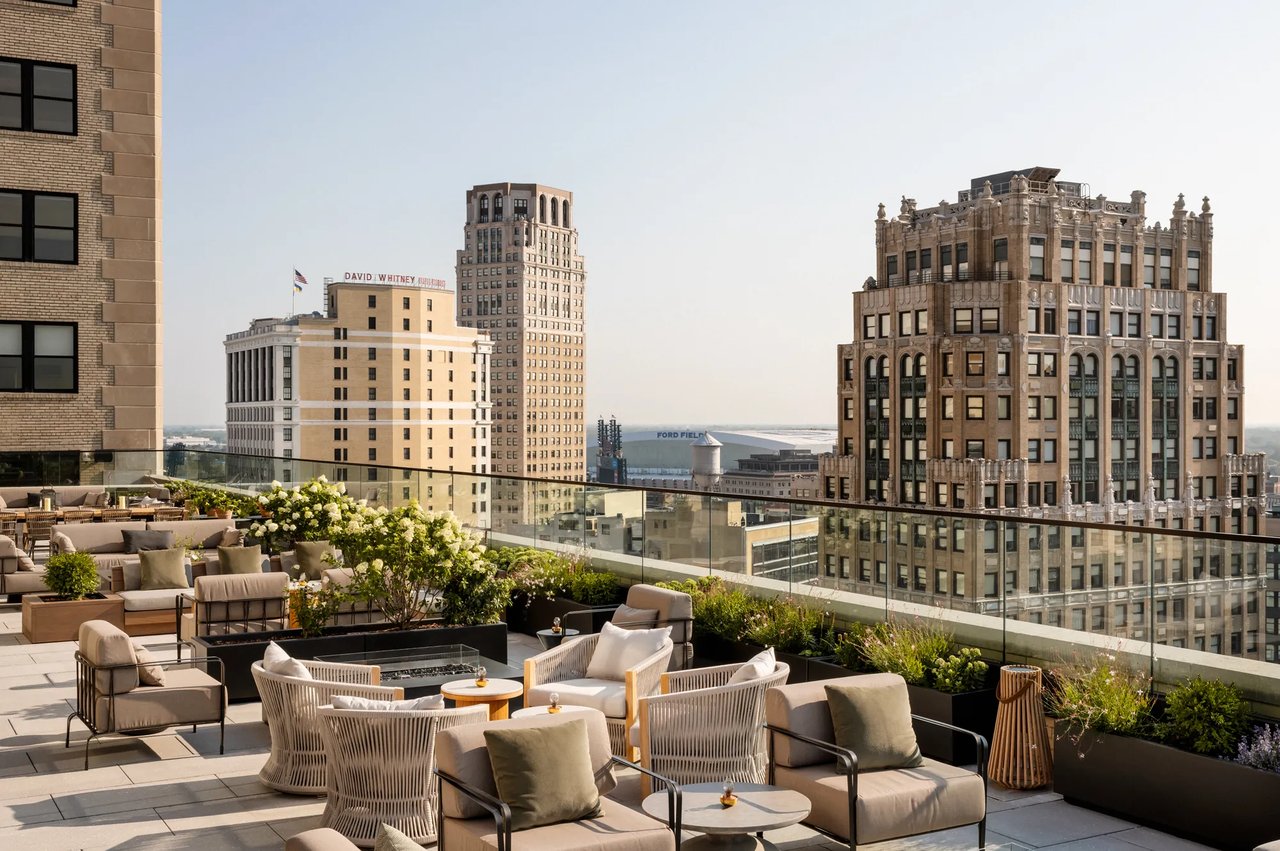
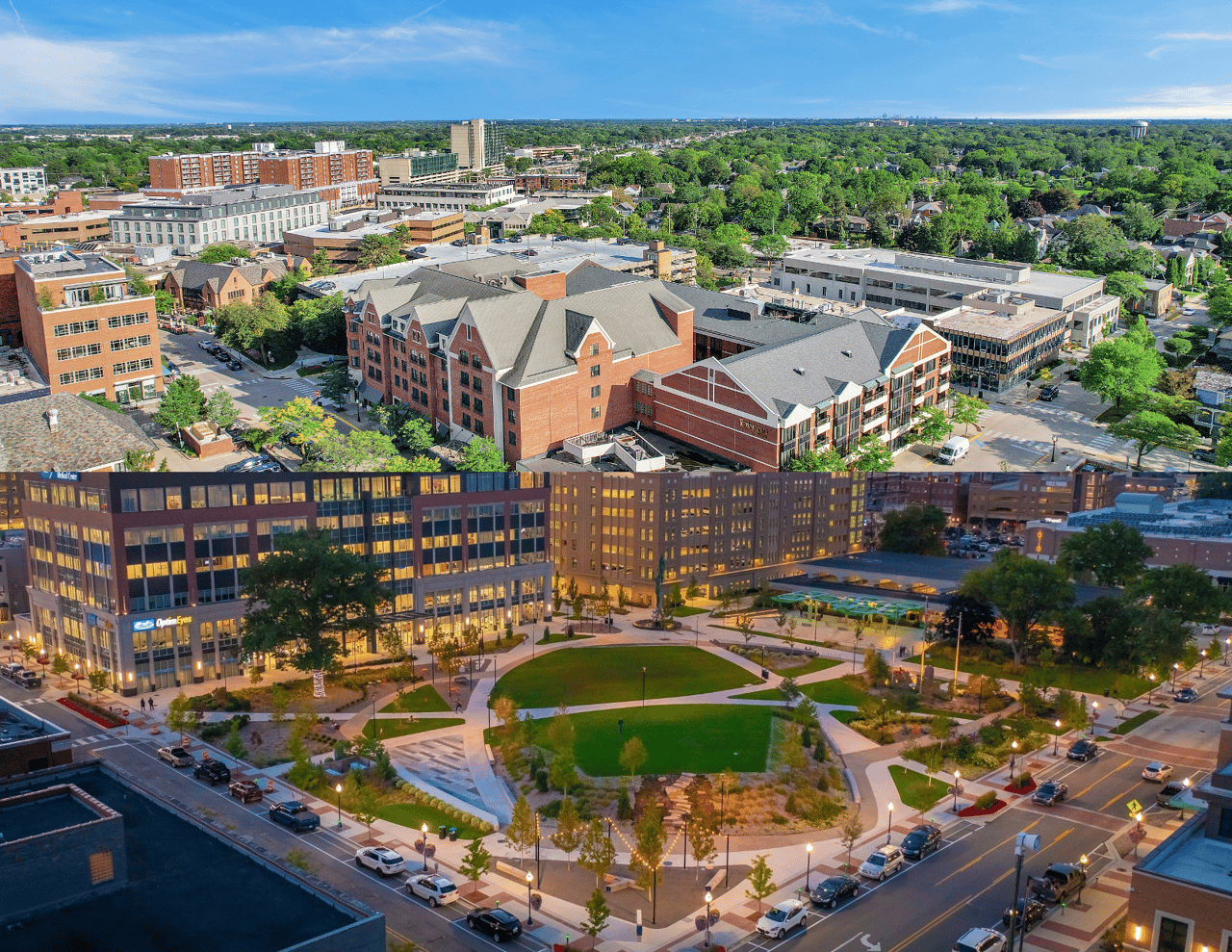
Ten years ago, downtown Detroit was already beginning to attract attention for its resurgence, but today it feels fundamentally different. What was once primarily viewed as a business district and entertainment destination has increasingly become a true residential neighborhood. New apartment developments, renovated historic buildings, expanded public spaces, and a growing number of restaurants, cafés, grocery options, and lifestyle amenities have transformed how people experience the city's core.
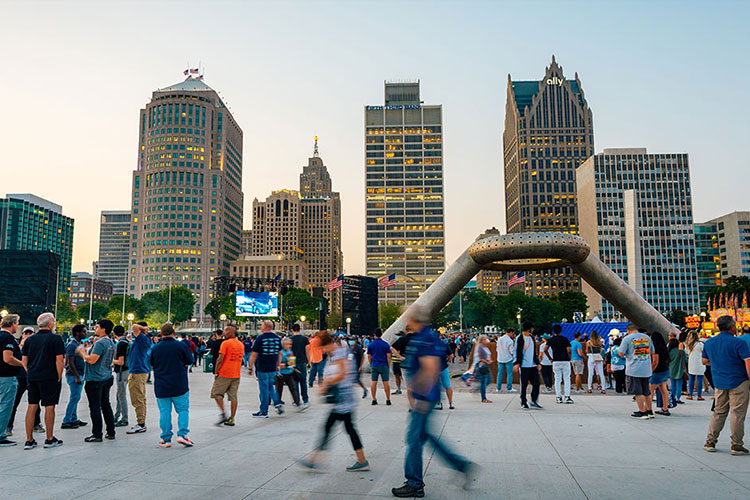
The introduction and expansion of public gathering spaces such as Campus Martius and the surrounding downtown districts helped create a sense of energy and activity that extends well beyond traditional business hours. Residents, visitors, and workers now share spaces that feel vibrant throughout the day and into the evening. Downtown has become a place where people not only work or attend events but also choose to live, socialize, and build community.
This shift has played a major role in changing perceptions of Detroit both locally and nationally. Downtown's evolution has become a symbol of the city's broader momentum while helping attract additional investment to surrounding neighborhoods.
Corktown: Preserving Character While Embracing Change
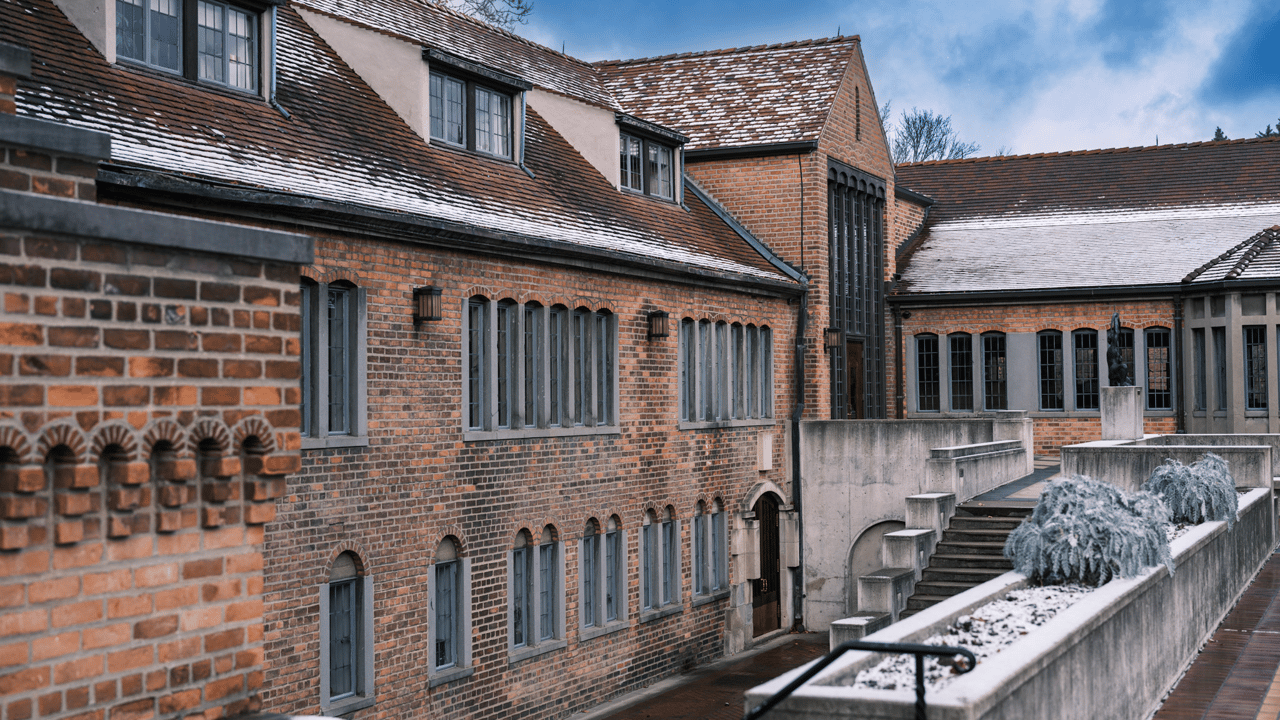
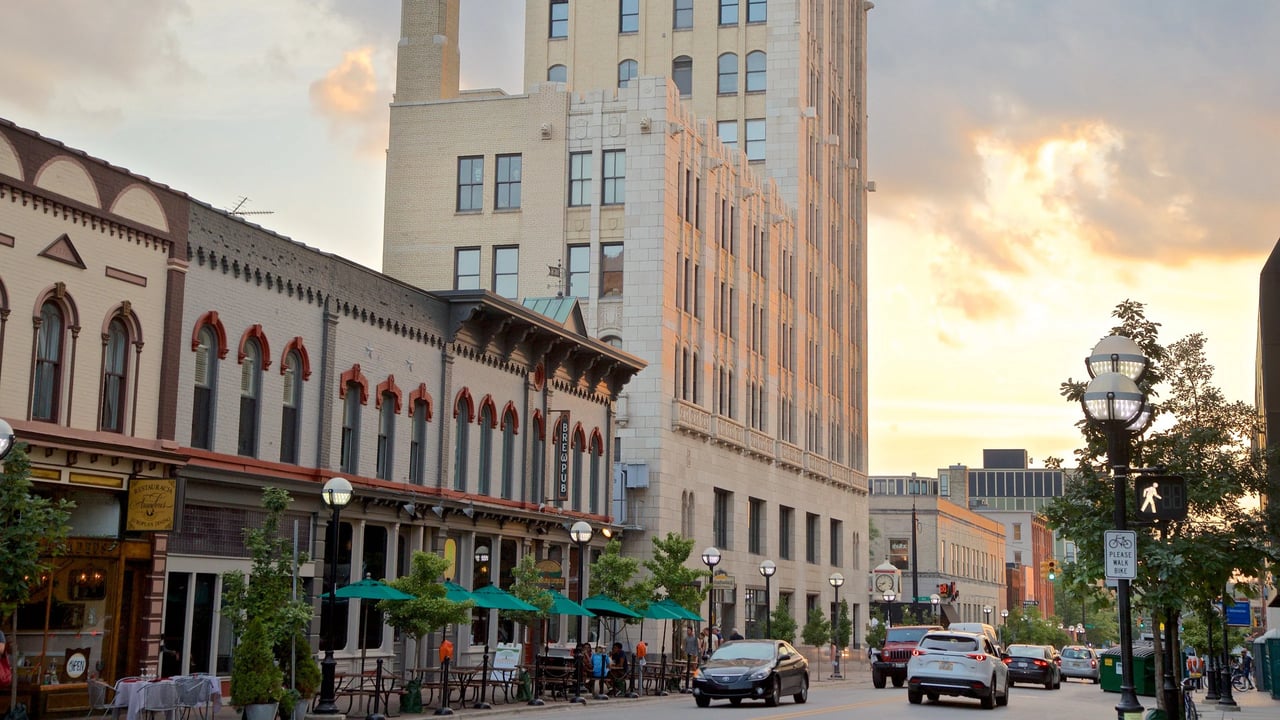
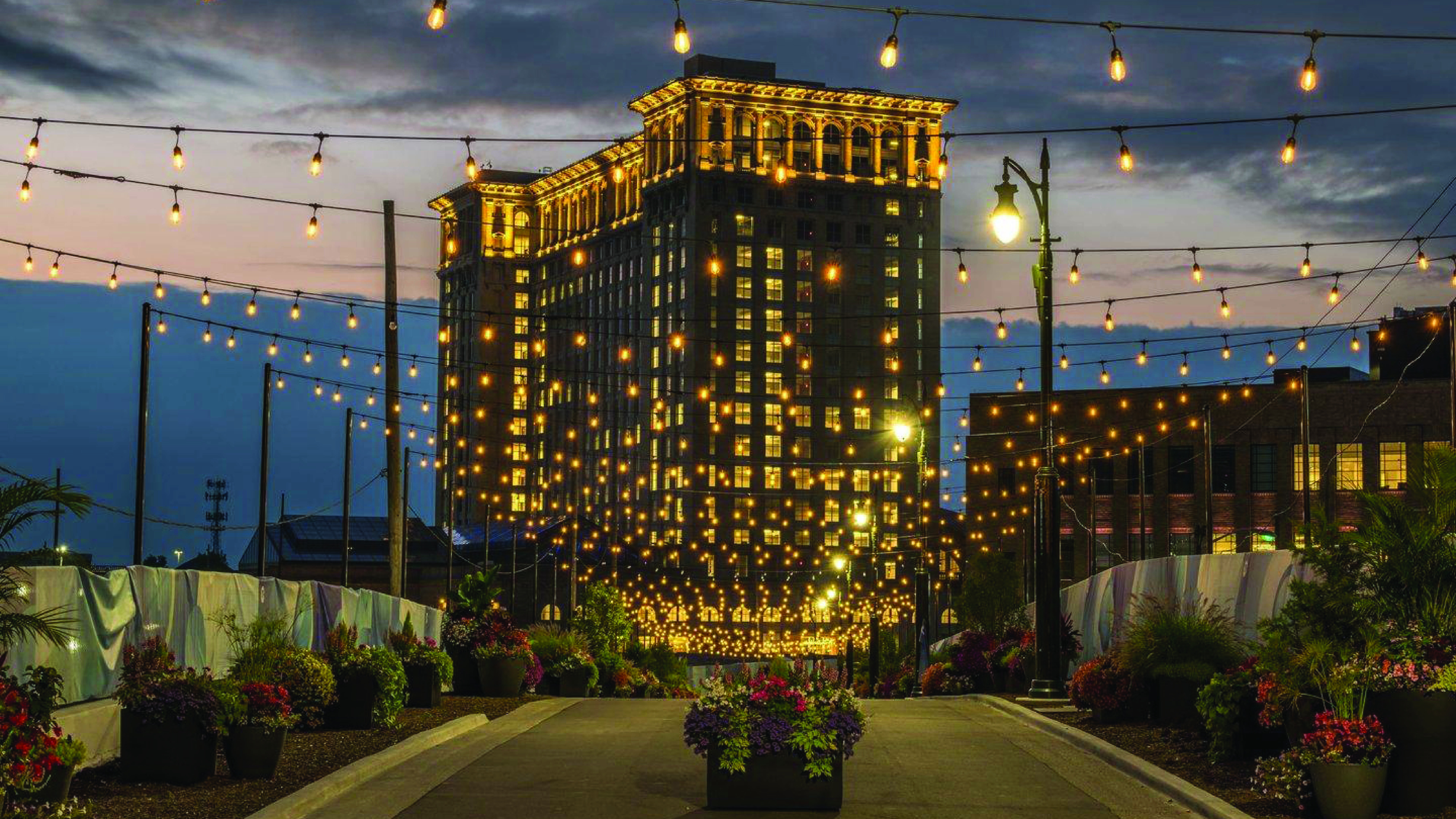
Few Detroit neighborhoods have attracted as much attention over the past decade as Corktown. As Detroit's oldest surviving neighborhood, Corktown has always possessed a unique identity. Historic brick homes, walkable streets, and a rich cultural history gave the area character long before recent development arrived. What has made Corktown's evolution particularly interesting is the way many projects have attempted to balance growth with preservation.
New restaurants, cafés, boutiques, office developments, and residential projects have brought significant activity to the neighborhood. The redevelopment of long-vacant properties has created opportunities for both residents and businesses, while investment from major employers has increased national attention on the area.
At the same time, Corktown remains deeply rooted in its historic identity. Many of the neighborhood's most beloved buildings have been preserved and restored rather than replaced. The result is a community that feels both historic and contemporary, demonstrating how thoughtful development can build upon existing character rather than erase it.
Midtown: The Growth of a Cultural Hub
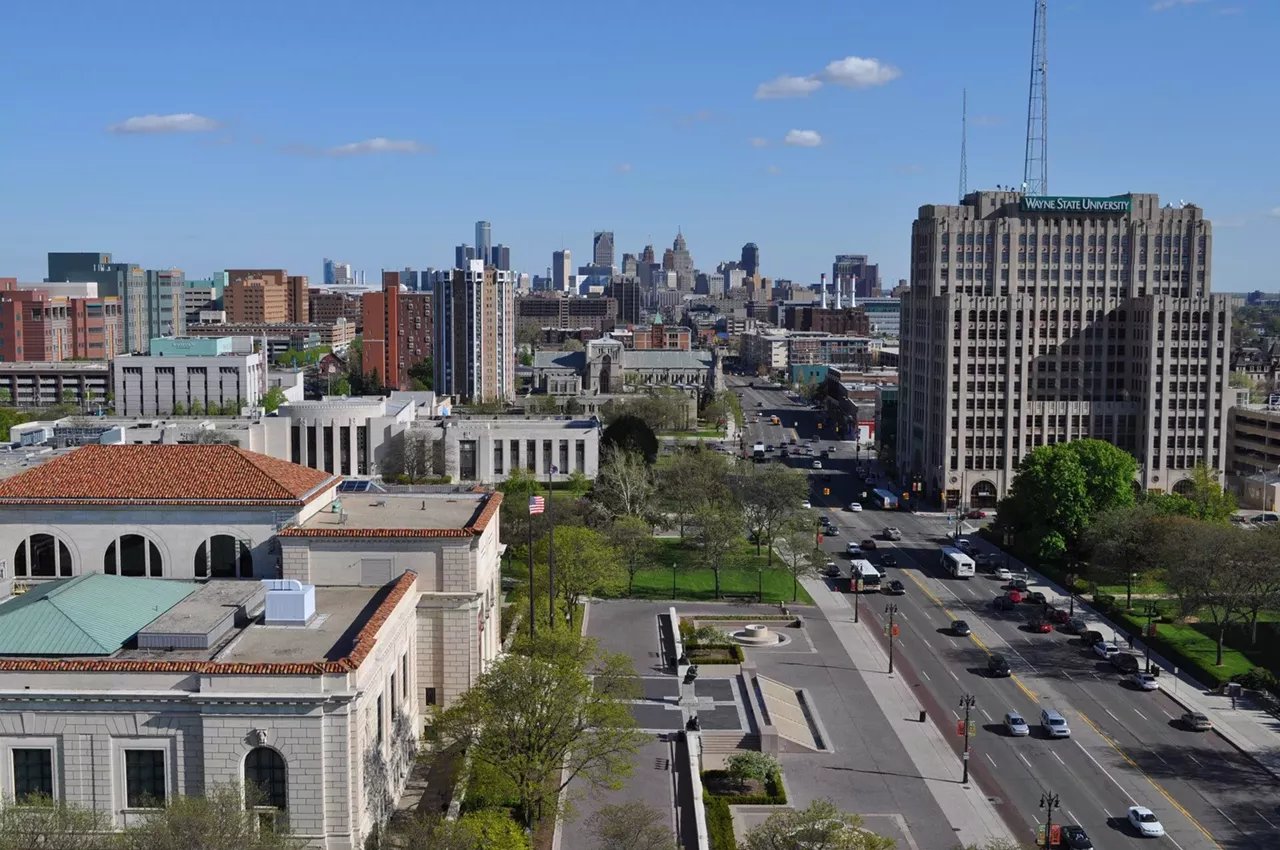
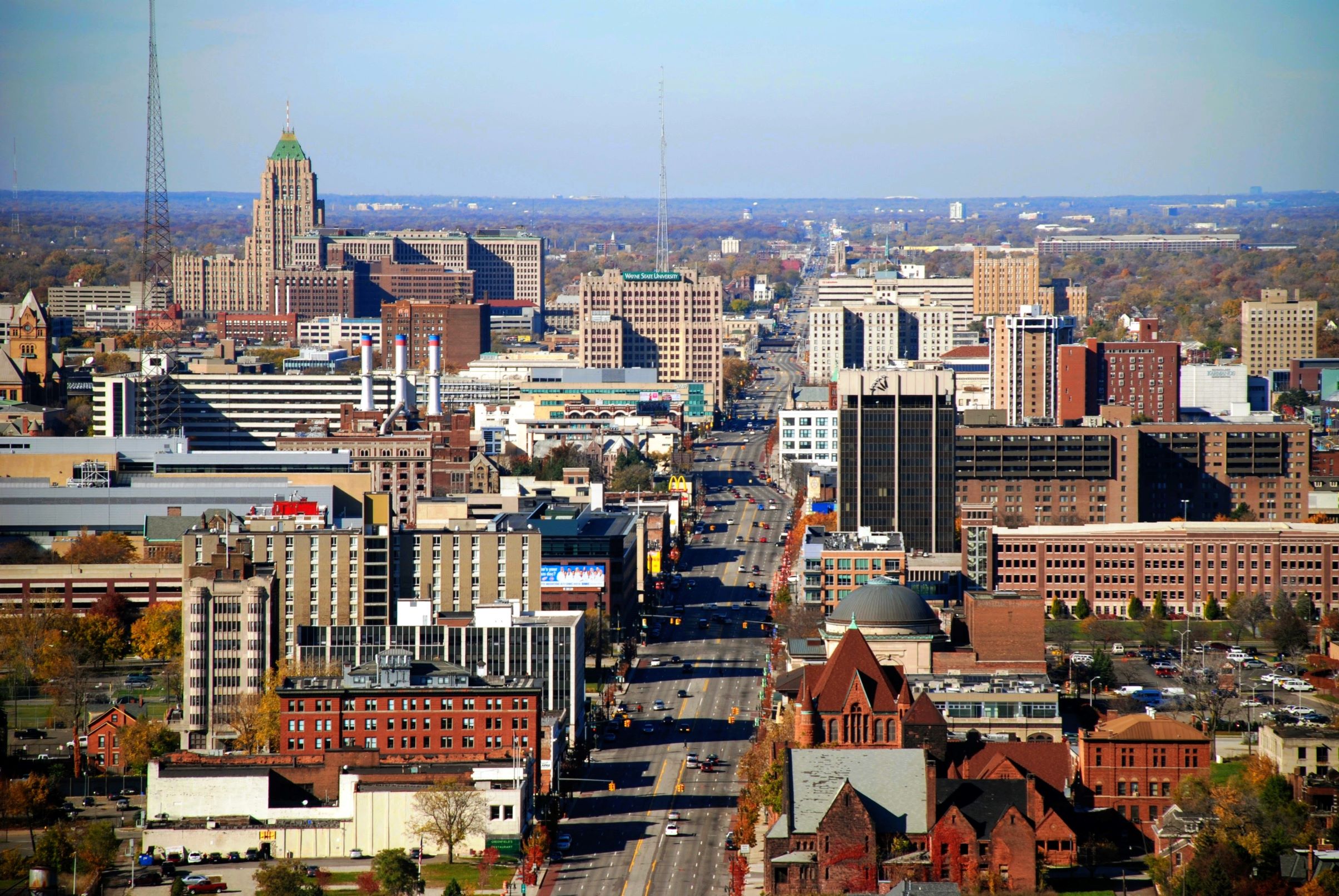
Over the last decade, Midtown has emerged as one of Detroit's most dynamic and multifaceted neighborhoods. Already home to many of the city's major cultural institutions, educational centers, and healthcare systems, Midtown has experienced significant residential growth alongside its institutional presence. New apartment buildings, renovated historic structures, and expanded retail offerings have contributed to a neighborhood that feels increasingly active and interconnected.
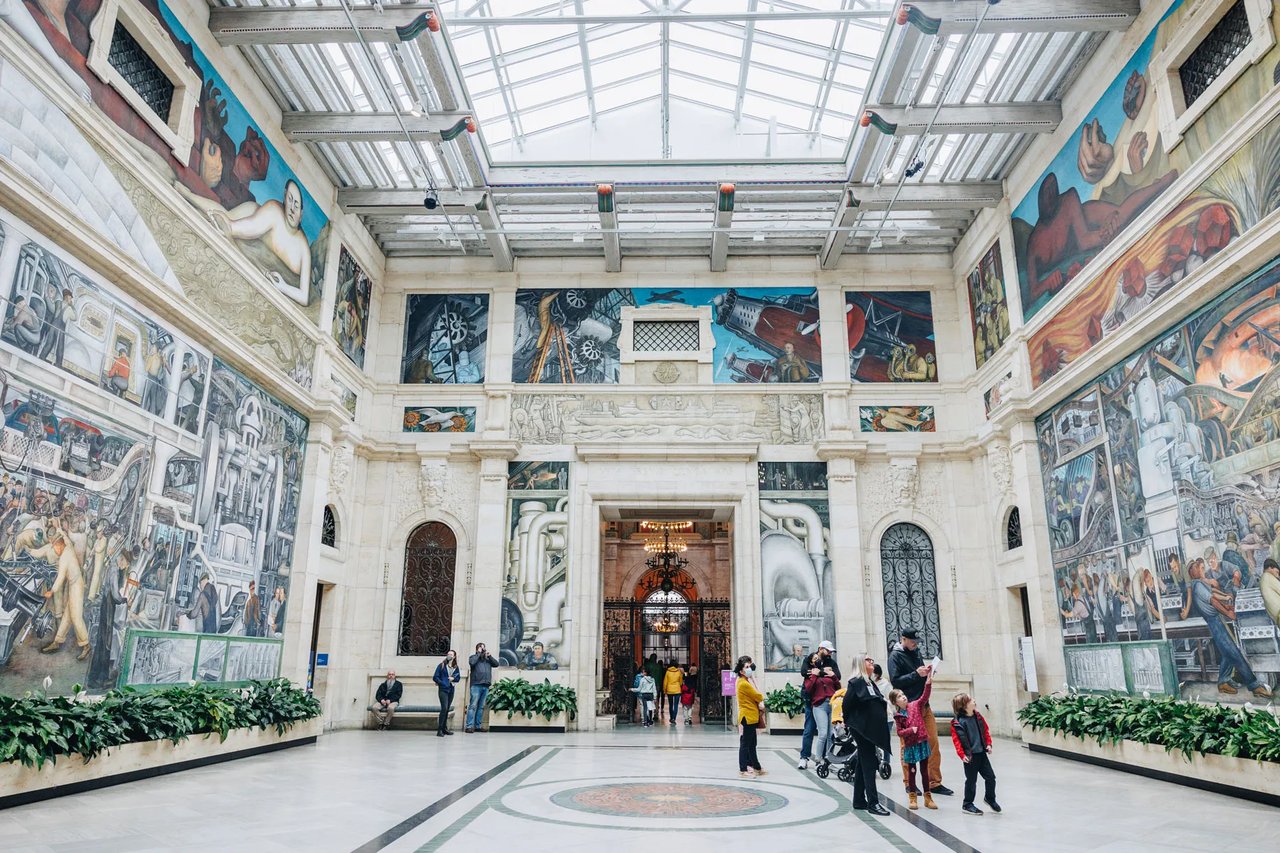
What distinguishes Midtown is the diversity of experiences it offers. Residents can walk to museums, theaters, coffee shops, restaurants, galleries, parks, and educational institutions within a relatively compact area. This level of accessibility and activity has made the neighborhood particularly attractive to young professionals, students, entrepreneurs, and longtime Detroit residents alike.
The growth of Midtown reflects a broader shift toward walkability and mixed-use development that has become increasingly important in urban planning discussions nationwide. Detroit's version of that evolution remains uniquely tied to its cultural assets and creative community.

The Rise of Neighborhood Business Districts
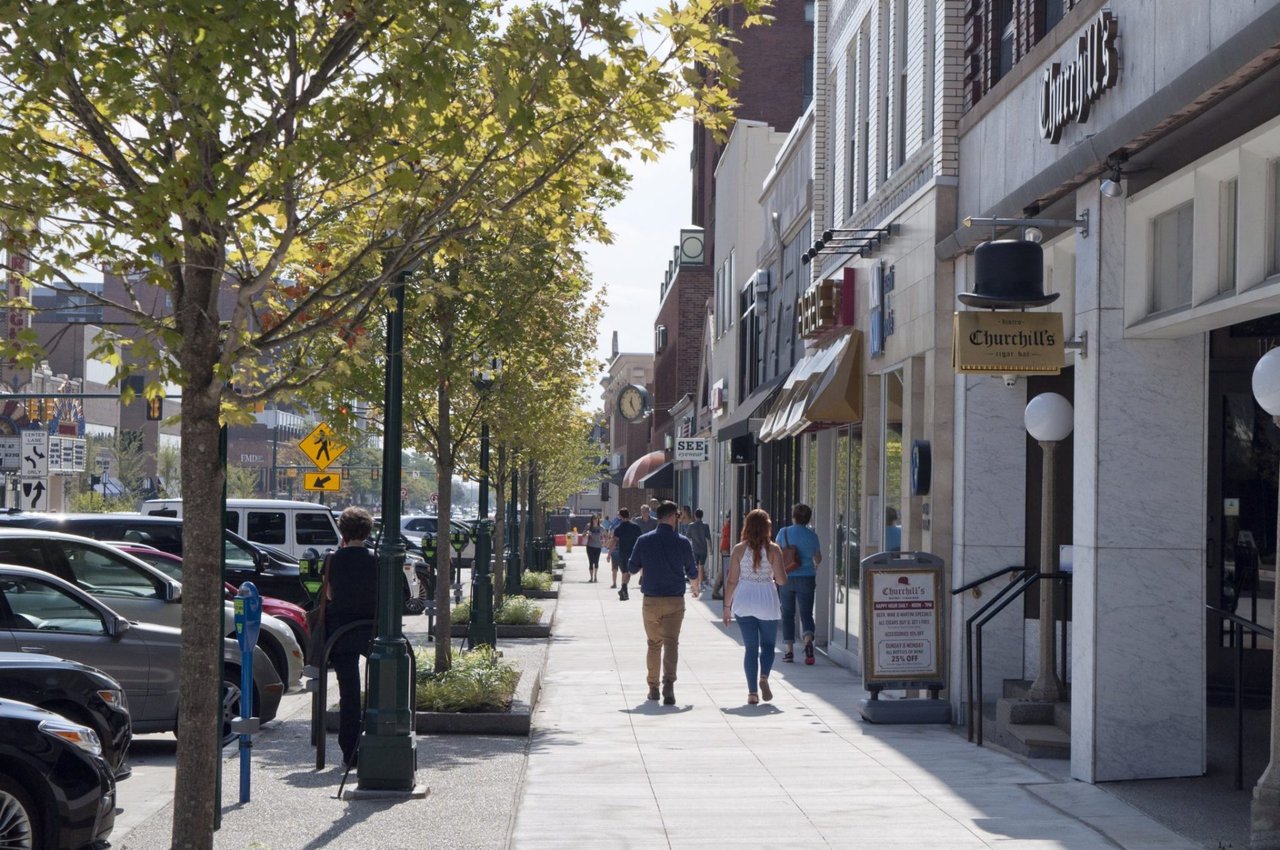
One of the most encouraging developments across Detroit has been the revitalization of neighborhood commercial corridors. For years, many local business districts struggled with vacancies and underutilized properties. Over the last decade, however, entrepreneurs, community organizations, and local residents have helped breathe new life into many of these areas.
Neighborhoods throughout the city have seen the emergence of independent coffee shops, restaurants, bakeries, bookstores, fitness studios, creative workspaces, and specialty retailers. These businesses do more than provide goods and services; they create gathering spaces that strengthen community identity and encourage local engagement.
The success of these commercial corridors reflects a growing emphasis on supporting local entrepreneurship and investing in neighborhood-level growth. Rather than concentrating activity exclusively in downtown areas, many communities have worked to create destinations within their own neighborhoods, helping residents feel more connected to the places where they live.
Historic Homes and Residential Reinvestment
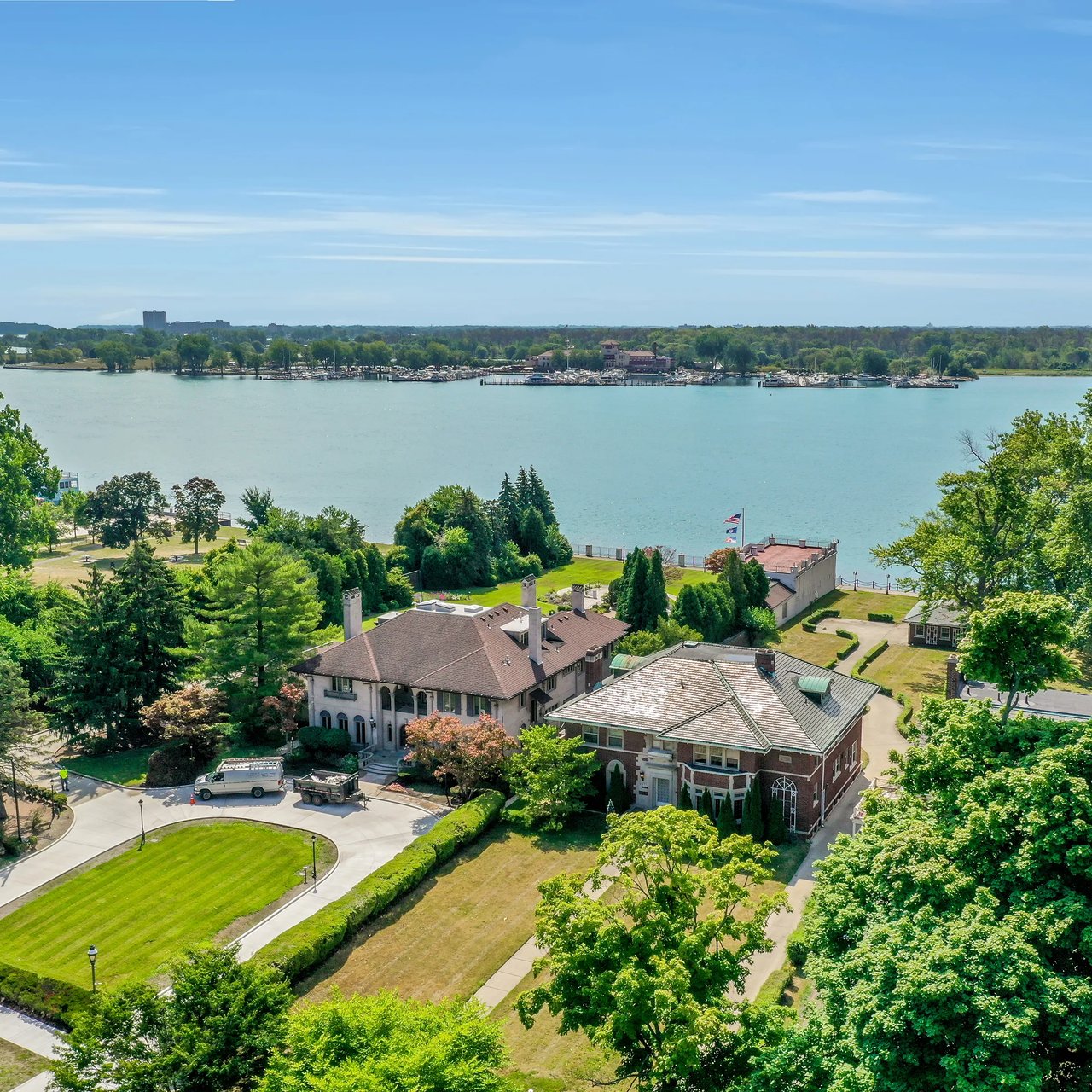
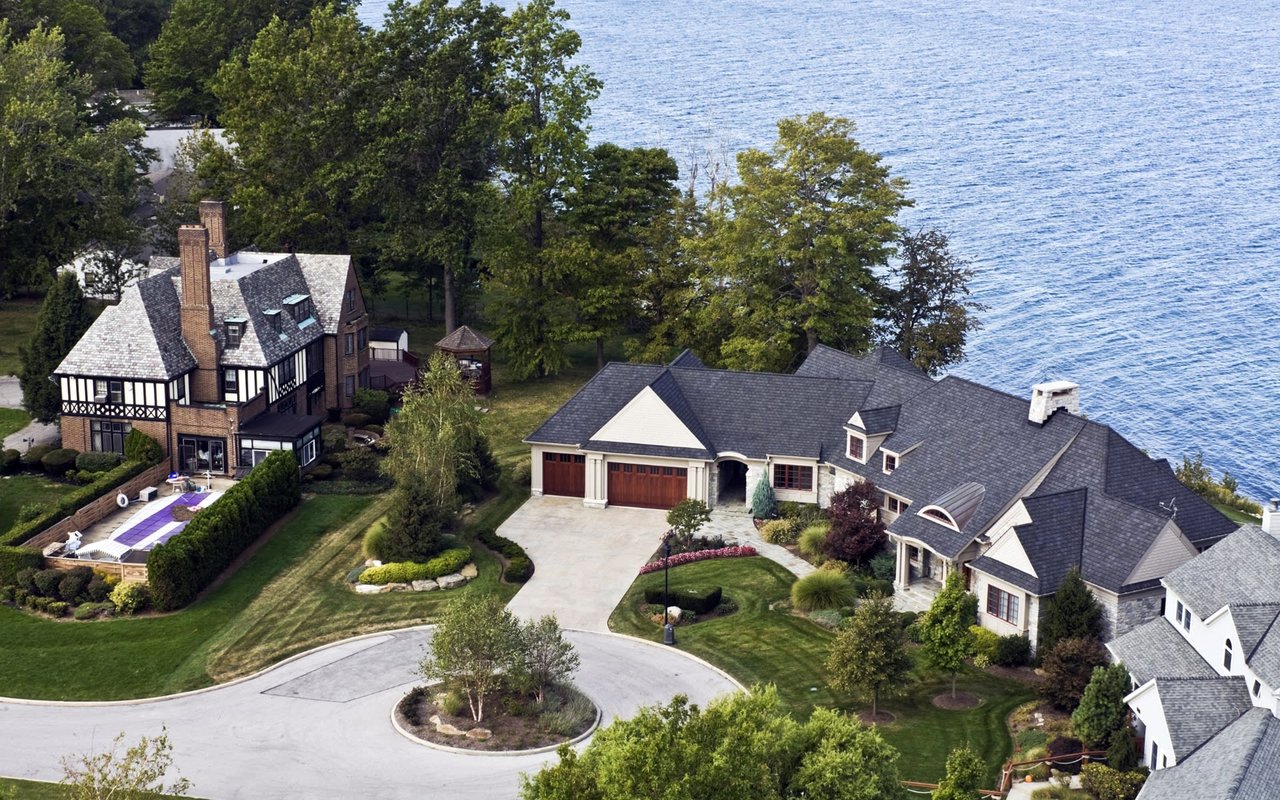
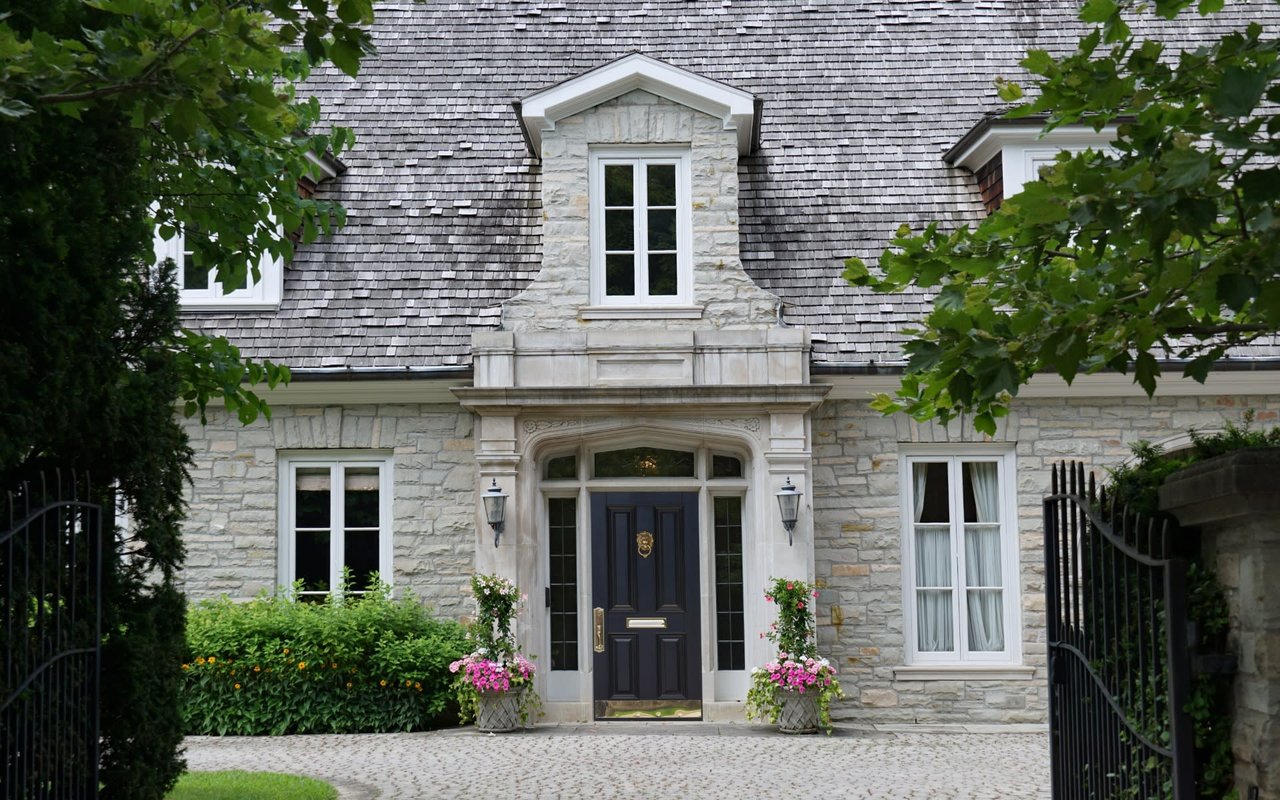
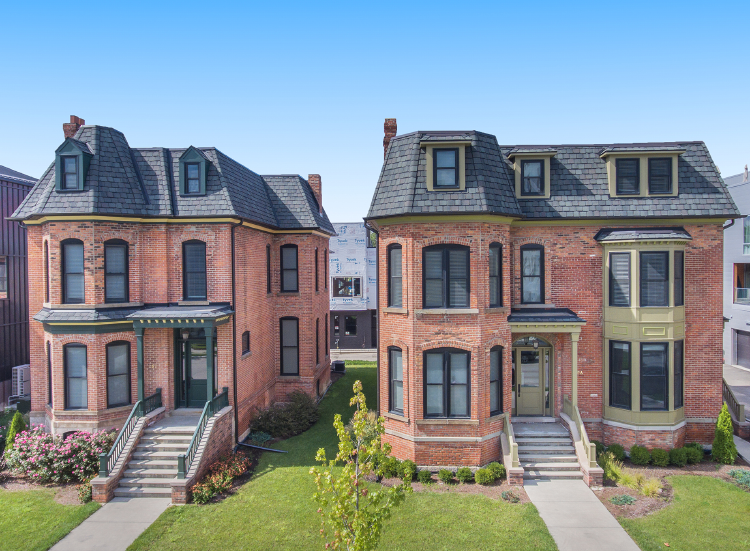
Detroit has long been known for its remarkable housing stock. From grand historic mansions and early twentieth-century architecture to charming brick colonials and bungalows, the city offers an extraordinary variety of residential styles. Over the last decade, many neighborhoods have experienced renewed interest in preserving and restoring these homes. Buyers increasingly recognize the value of Detroit's architectural heritage, leading to significant reinvestment in properties that might once have been overlooked.
Restoration projects have helped preserve neighborhood character while contributing to long-term stability. In many cases, homeowners have chosen to update historic properties while maintaining original craftsmanship and design elements that make Detroit homes distinctive. This trend reflects a broader appreciation for authenticity and architectural character. Buyers today are often drawn to homes that tell a story, and Detroit offers countless opportunities to become part of that ongoing narrative.

The Importance of Public Spaces
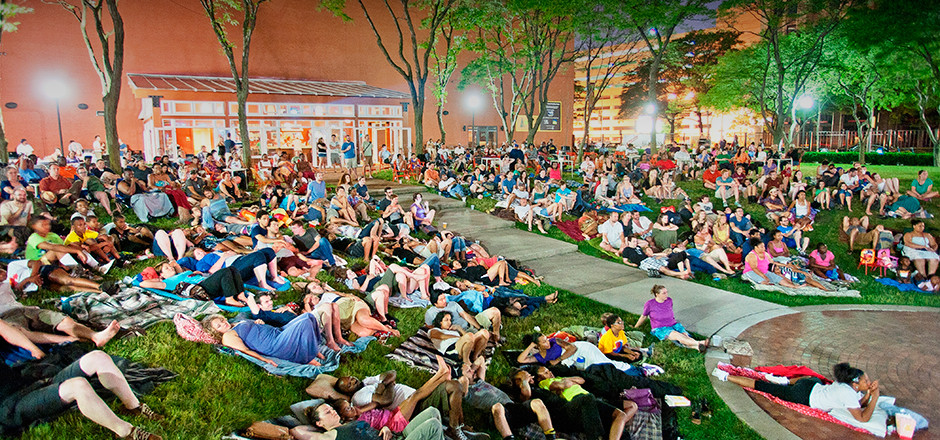
Neighborhood transformation is not solely measured by buildings and development projects. Public spaces play an equally important role in shaping how communities function and grow. Over the past decade, Detroit has seen continued investment in parks, greenways, recreational spaces, streetscape improvements, and public gathering areas. These projects have helped create environments where residents can connect, exercise, relax, and participate in community life.
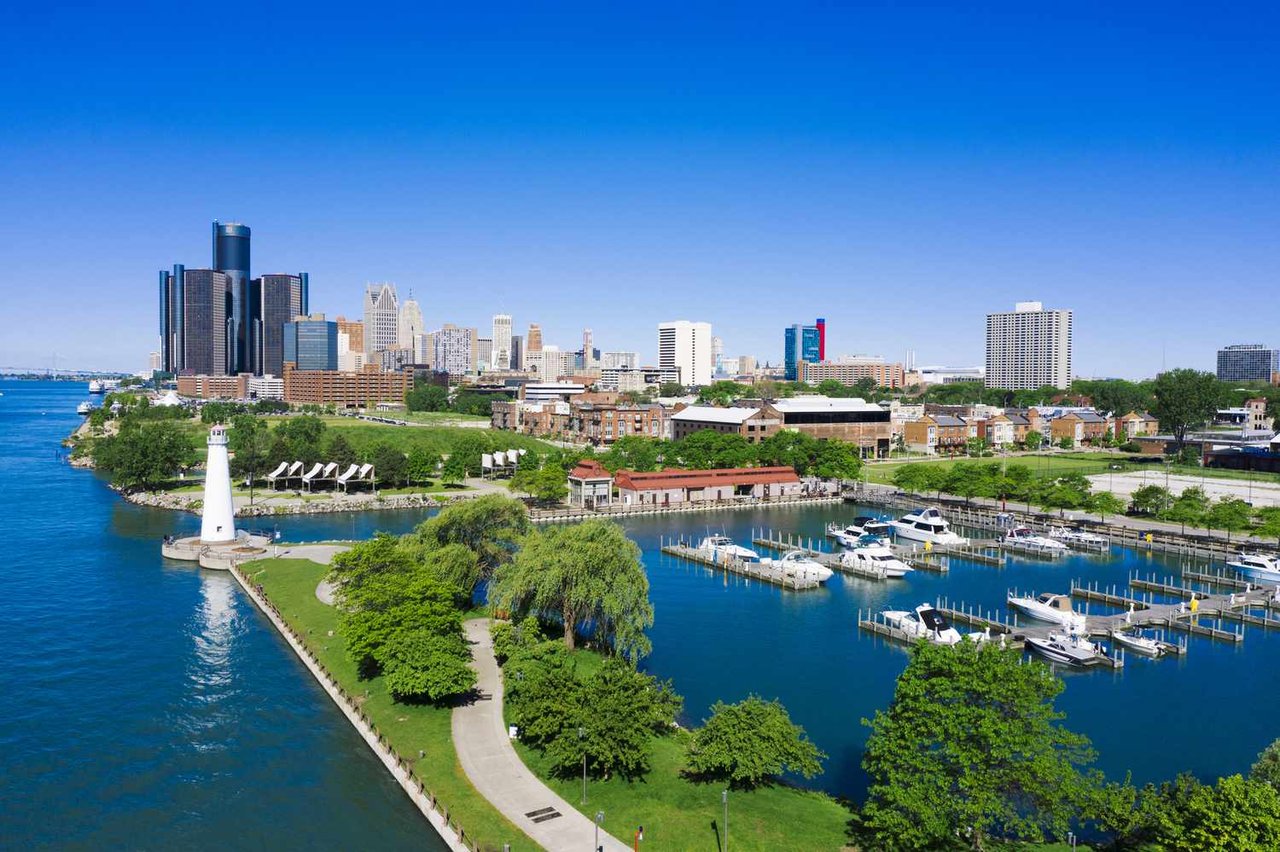
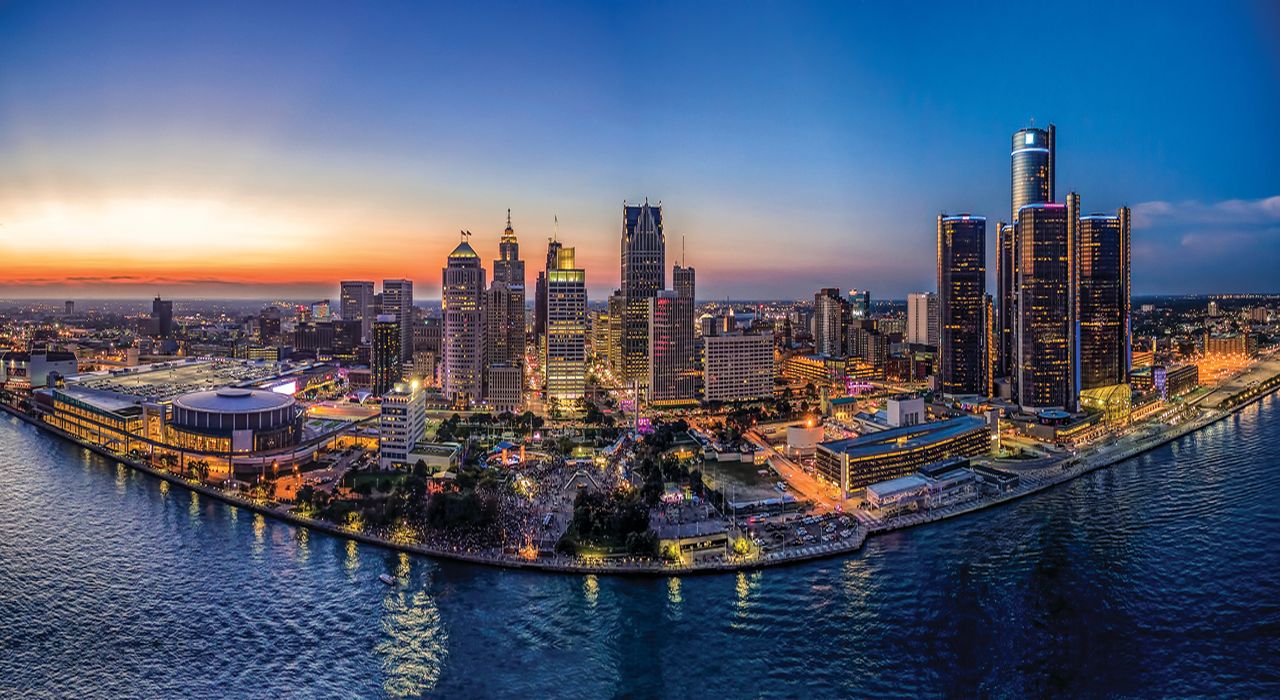
The Detroit Riverfront serves as one of the most visible examples of this evolution. What has become one of the city's most celebrated public amenities reflects a broader commitment to creating spaces that improve quality of life while strengthening neighborhood connections.
Smaller neighborhood parks and community spaces have also benefited from local investment and volunteer efforts, demonstrating that meaningful transformation often occurs at both large and small scales simultaneously.
A Growing Focus on Community-Led Development
One of the most significant shifts in Detroit's evolution has been the increasing emphasis on community involvement in shaping neighborhood futures. Residents, nonprofit organizations, neighborhood associations, and local leaders have become active participants in conversations about development, preservation, housing, and economic growth. Rather than simply reacting to change, many communities have worked to guide it.
This approach recognizes that successful neighborhoods are built not only through investment but through engagement. Residents often possess the deepest understanding of what makes their communities special and what improvements would most benefit future generations.
As a result, many neighborhood initiatives today place greater emphasis on collaboration, long-term sustainability, and maintaining the unique identity that distinguishes one Detroit neighborhood from another.
The Changing Perception of Detroit
Perhaps one of the most profound changes over the last decade has been the shift in how people perceive Detroit itself. For years, many conversations about the city focused primarily on its challenges. While those challenges have never disappeared entirely, the narrative has become far more balanced and nuanced. Today, discussions increasingly include Detroit's creativity, entrepreneurship, architecture, culture, food scene, community pride, and growth potential.
Visitors often discover a city that feels very different from the one they expected. New residents are drawn not only by affordability but by the sense of opportunity and authenticity that Detroit offers. Longtime residents continue to play a vital role in preserving the character and resilience that have always defined the city. This evolution in perception has helped attract new investment and attention while encouraging broader appreciation for the city's strengths.
Looking Ahead
The story of Detroit's neighborhoods is still being written. While the last decade has brought significant transformation, the city's future will likely continue to be shaped by a balance of preservation, innovation, community engagement, and thoughtful growth. Each neighborhood will continue to evolve in its own way, influenced by the people, businesses, and organizations that invest in its success.
What remains constant is Detroit's remarkable ability to adapt. The city has never been defined by a single moment in time, and its neighborhoods reflect that reality. They are living, changing places that carry the history of previous generations while creating opportunities for those who will follow.
The evolution of Detroit neighborhoods over the last decade is ultimately a story about more than development. It is a story about people. It is about residents choosing to invest in their communities, entrepreneurs opening businesses, homeowners restoring historic properties, and neighborhoods finding new ways to thrive while honoring their past.
Together, these changes have created a Detroit that feels both familiar and new, a city that continues to evolve while remaining unmistakably itself.