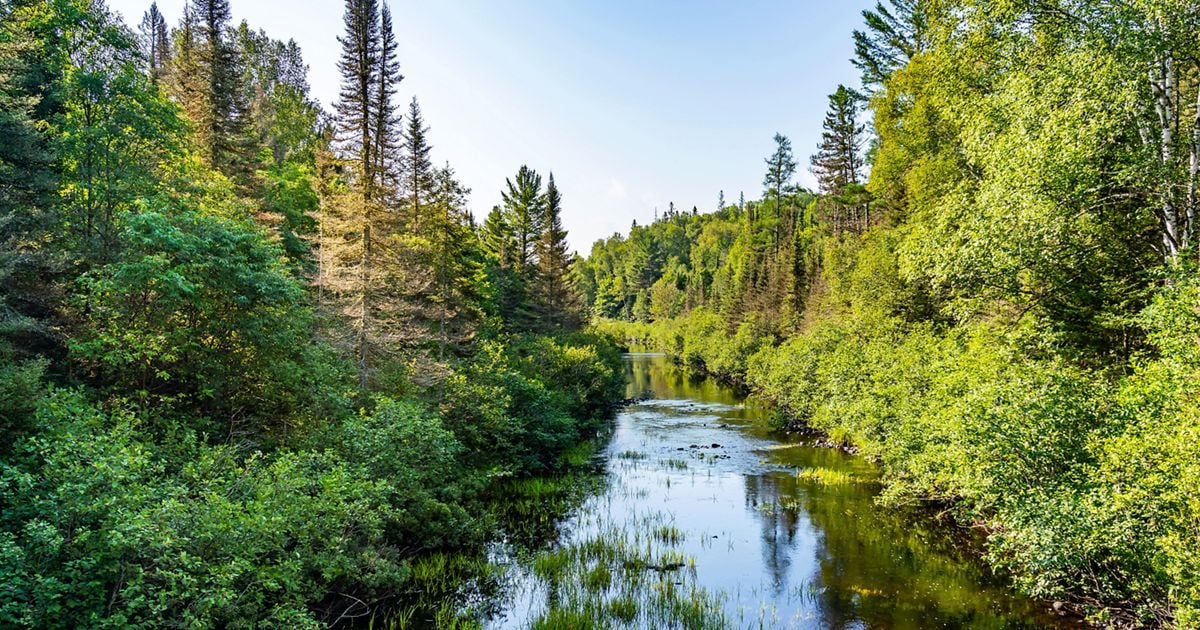
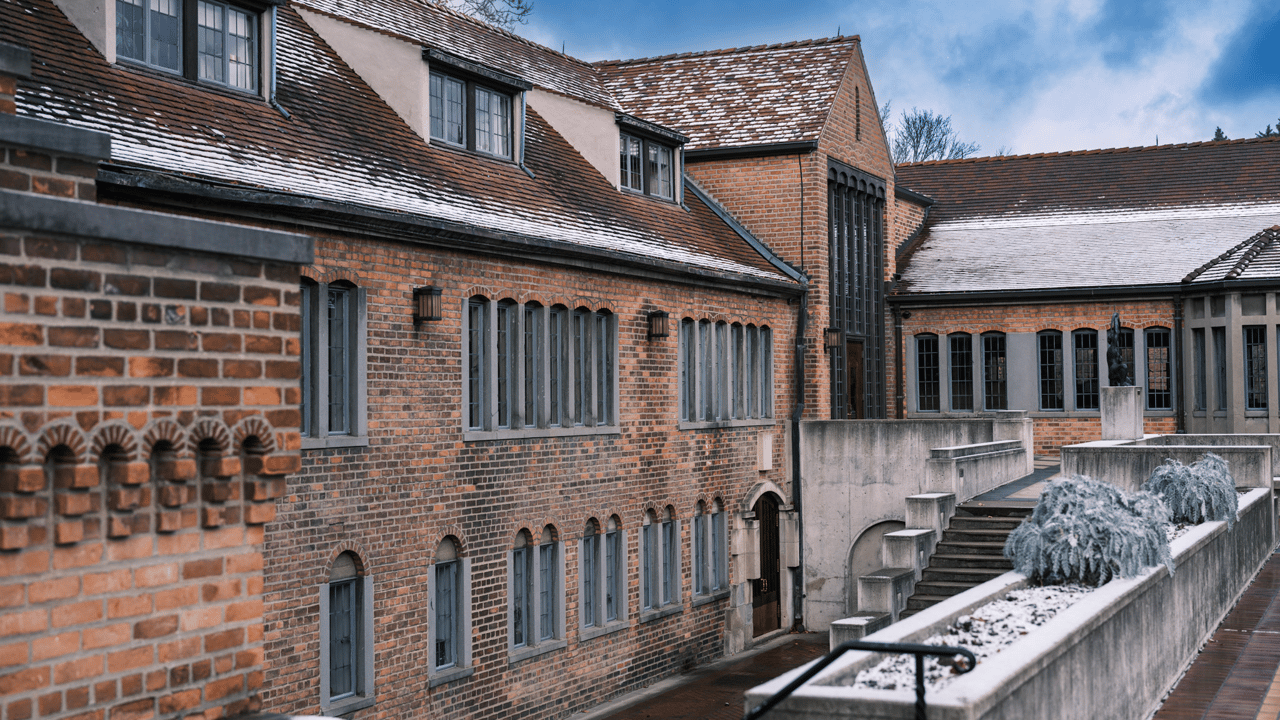
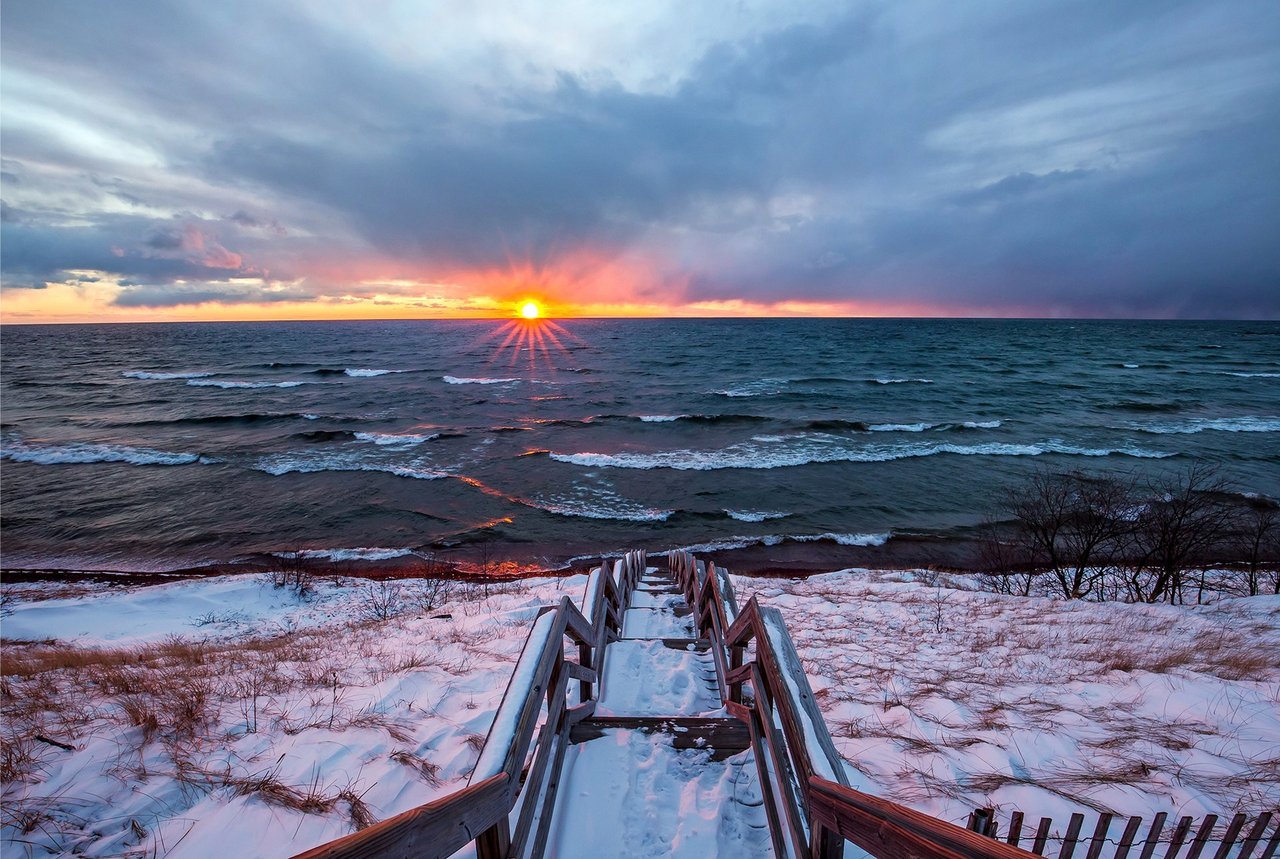
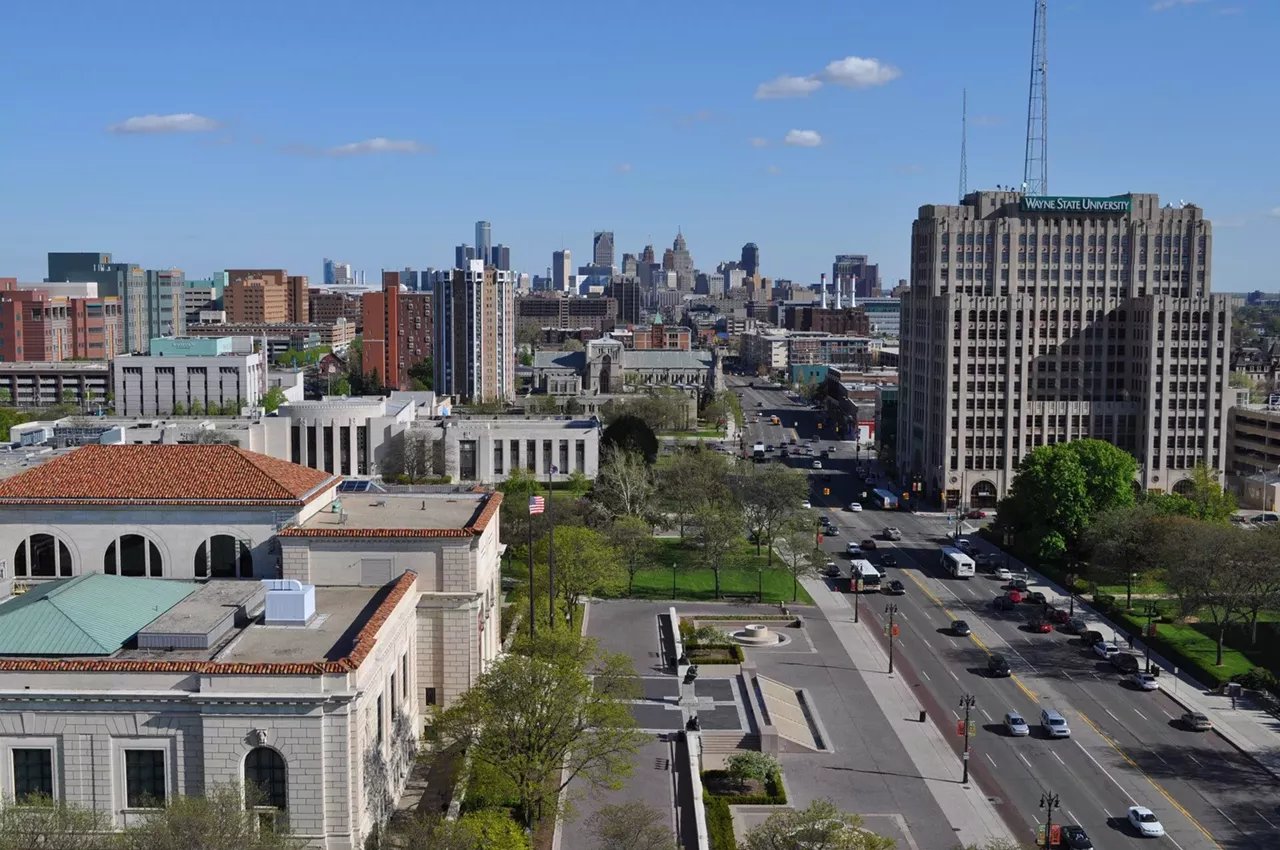
A river can completely change the feeling of a place. Streets become quieter, views become more expansive, and even a busy downtown can suddenly feel connected to nature. In Michigan, where waterways have played such an important role in the state's history, riverfronts are often at the heart of the communities that surround them. Today, riverwalks provide an opportunity to experience those waterways in a completely different way.
They are places where residents walk their dogs in the morning, families spend sunny afternoons together, runners get their daily miles in, and visitors discover a different side of a familiar city. Some stretch for miles along major rivers, while others are short scenic paths tucked alongside downtown districts. What makes Michigan's riverwalks particularly special is their variety. Some offer sweeping views of the Detroit River and Canada, while others wind through parks, historic neighborhoods, wetlands, and downtown districts. Some are highly urban, surrounded by restaurants, museums, and entertainment venues, while others feel remarkably peaceful despite being just minutes from a city's center. Together, they offer a different way to experience Michigan, one that follows the water.

Detroit RiverWalk | Detroit
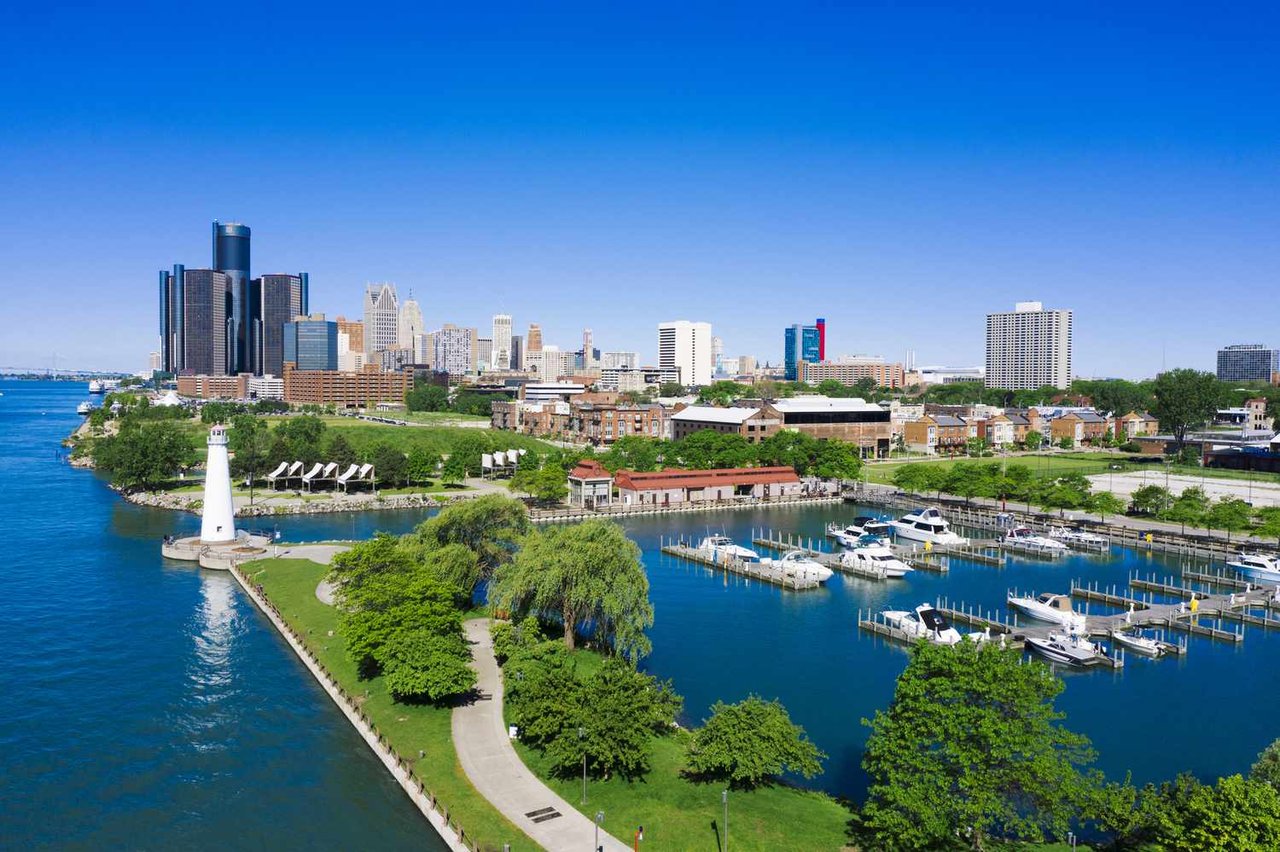
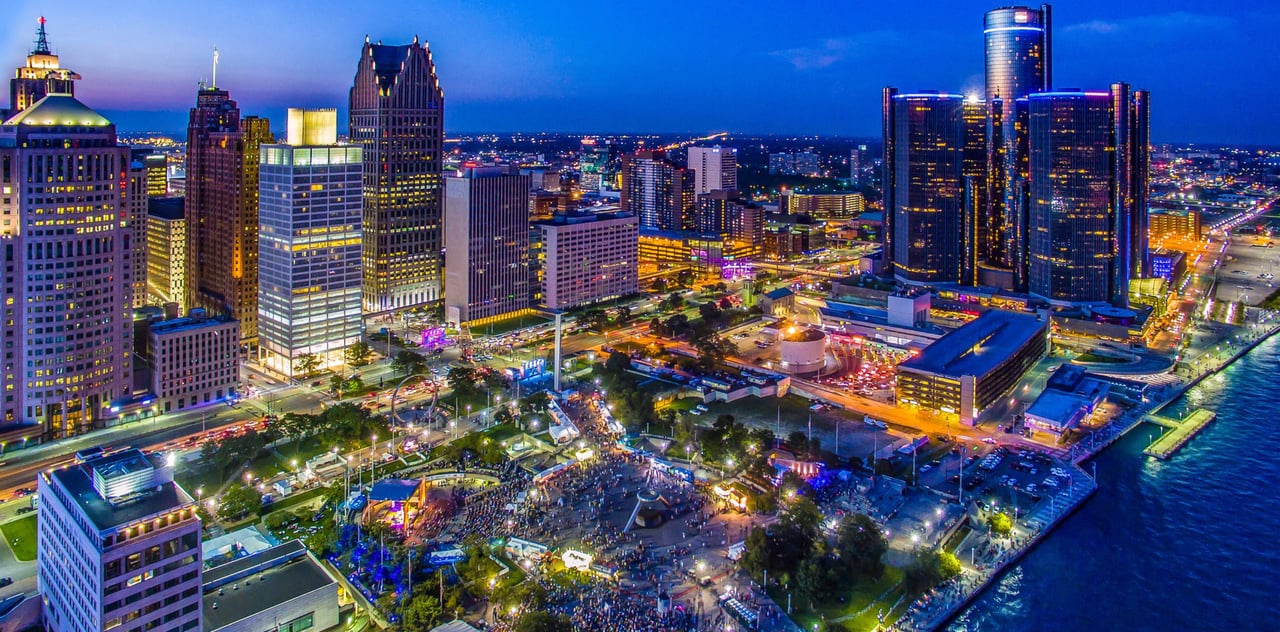
When talking about Michigan riverwalks, the Detroit RiverWalk is the natural place to begin. Stretching along Detroit's international riverfront, the RiverWalk has become one of the city's most recognizable public spaces and one of the best places to experience the transformation of Detroit's waterfront. The pathway offers beautiful views across the Detroit River toward Windsor, Ontario, while connecting visitors to parks, green spaces, restaurants, public art, and some of the city's most recognizable attractions. Along the way, visitors can encounter Hart Plaza, Cullen Plaza, Gabriel Richard Park, and other destinations that make the riverfront feel like an extension of downtown.
One of the RiverWalk's greatest strengths is its ability to combine nature and city life. A walk along the water can easily turn into an afternoon exploring downtown, visiting a museum, grabbing lunch, or attending one of the many events that take place along the riverfront throughout the year. The RiverWalk also provides an entirely different perspective of Detroit's skyline. Looking back toward the city from the water, historic architecture and modern development appear together, creating a view that captures Detroit's past and present at once. For residents and visitors alike, it has become one of the defining outdoor experiences in the city.

Dequindre Cut Greenway | Detroit
While the Dequindre Cut isn't technically a traditional riverwalk, it deserves a place in any conversation about Detroit's waterfront trails. The former railroad corridor has been transformed into a beautifully landscaped greenway connecting the Eastern Market area with the Detroit River. The pathway is known for its extensive collection of colorful graffiti and murals, giving it an unmistakably Detroit character.
Walking or biking the Dequindre Cut provides a completely different experience from the traditional downtown RiverWalk. Rather than following the water directly, the trail passes beneath bridges and through a corridor filled with public art, greenery, and remnants of Detroit's industrial past. It also creates an important connection between two of the city's most popular destinations: Eastern Market and the riverfront. The result is a trail that demonstrates how Detroit has repeatedly found new life in spaces that once served very different purposes.

RiverWalk at Riverside Park | Trenton
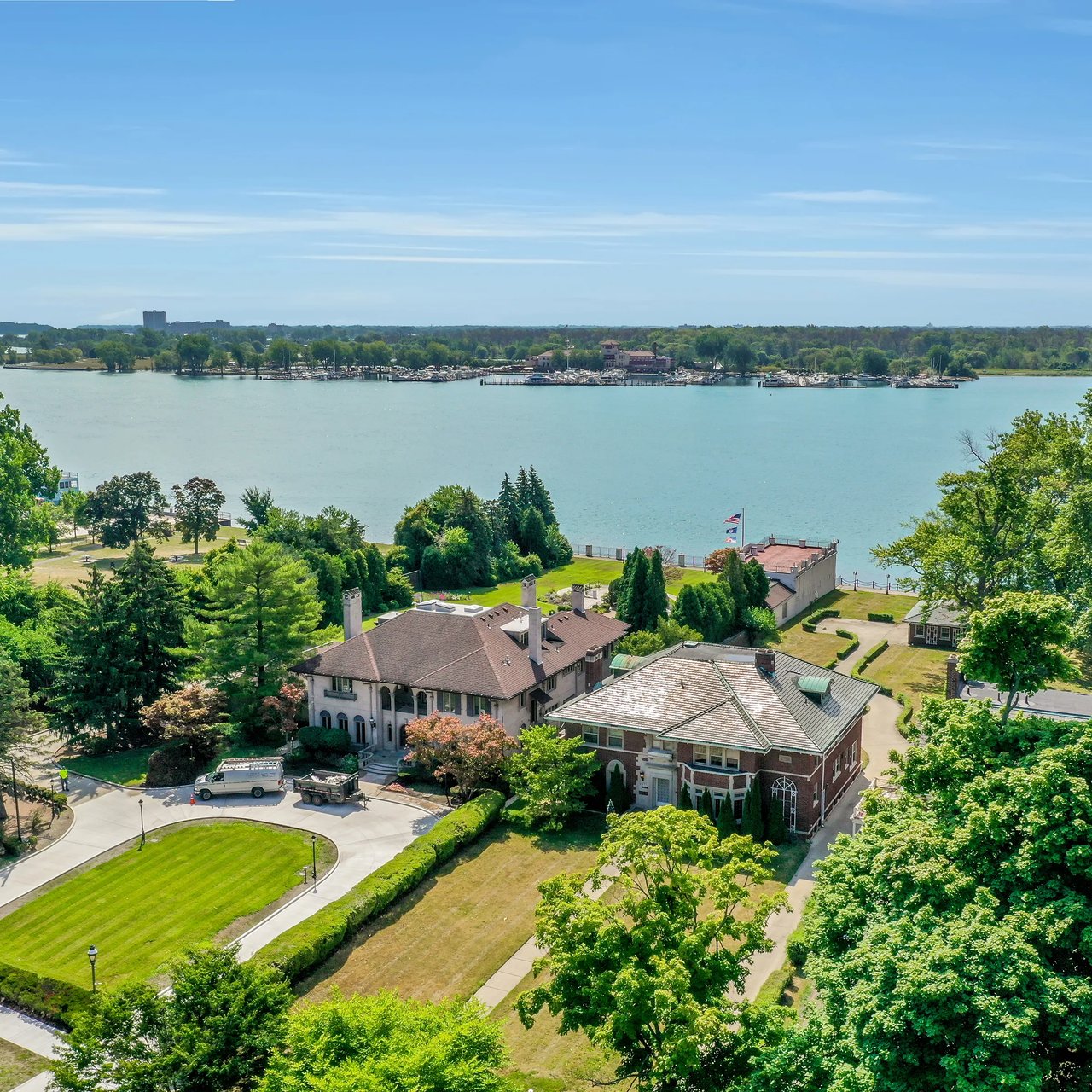
For a quieter suburban riverfront experience, Riverside Park in Trenton is worth exploring. Located along the Detroit River, the park provides beautiful waterfront views, walking paths, picnic areas, and open green space. It is particularly appealing for families and anyone looking for a slower-paced afternoon away from the activity of downtown Detroit.
The river views are the obvious attraction, but the surrounding parkland gives visitors room to spread out and enjoy the outdoors. On a warm summer afternoon, it's easy to understand why waterfront parks remain such important gathering places throughout Southeast Michigan.

Huron River Greenway | Ann Arbor Area
The Huron River is one of the defining natural features of the Ann Arbor area, and the network of parks and trails surrounding it offers countless opportunities to experience the water. The Ann Arbor riverfront feels distinctly different from Detroit's. Instead of an international river and urban skyline, visitors encounter wooded trails, canoeists, bridges, parks, and stretches of peaceful shoreline.
Popular destinations along the river include Gallup Park, Argo Park, and Riverside Park, each offering its own combination of walking trails, recreational activities, and scenic views. The river is deeply integrated into Ann Arbor's lifestyle. Residents kayak, paddleboard, run, bike, picnic, and walk along the water throughout the warmer months. It's one of the best examples of how a river can become part of a community's everyday rhythm rather than simply being something to admire from a distance.
Gallup Park | Ann Arbor
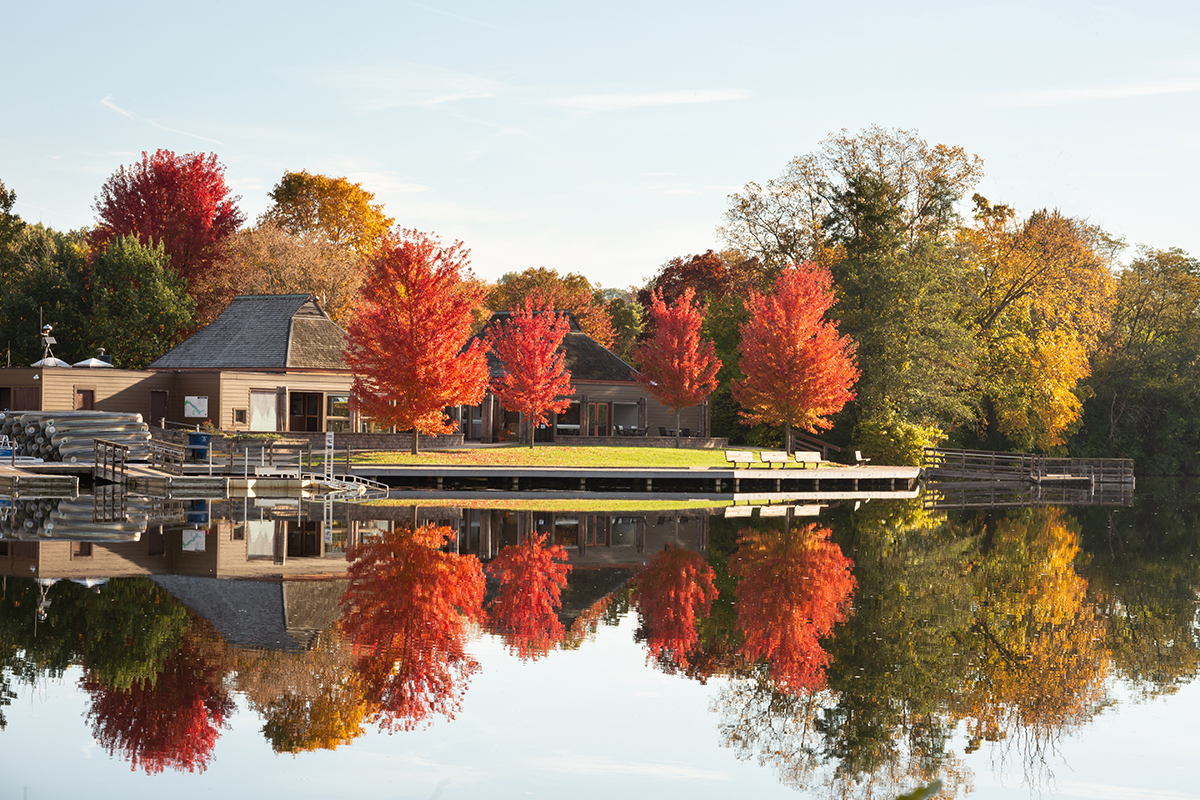
Gallup Park deserves special attention for its combination of natural scenery and recreation. Located along the Huron River, the park features walking and biking paths, bridges, picnic areas, gardens, and opportunities for paddling. The river winds through the landscape, creating peaceful views throughout the park.
The combination of water and mature trees makes it especially beautiful during the warmer months, while fall brings an entirely different atmosphere as the surrounding foliage changes color. For families, outdoor enthusiasts, and anyone looking for a scenic place to spend a few hours, Gallup Park offers an easy escape without requiring a trip far outside the city.

Lansing River Trail | Lansing
The Lansing River Trail provides one of Michigan's most extensive urban riverfront trail systems. Following both the Grand River and Red Cedar River, the trail stretches through parks, neighborhoods, and downtown Lansing while connecting a number of important community destinations.
One of the most appealing aspects of the trail is its length. Visitors can take a short walk along the water or spend much longer exploring the interconnected pathways. The trail also provides access to museums, parks, Michigan State University, and other destinations, making it more than simply a recreational path. It demonstrates how riverfront trails can serve as important transportation and community infrastructure while still providing beautiful places to enjoy the outdoors.

Grand Rapids Riverfront | Grand Rapids
The Grand River is central to the identity of Grand Rapids, and the city's riverfront continues to evolve as an important part of the community. Downtown trails and parks provide opportunities to walk along the river while enjoying views of bridges, public art, architecture, and the city's skyline.
The riverfront is particularly interesting because it illustrates the relationship between Grand Rapids' industrial history and its modern identity. The same waterway that once supported manufacturing and transportation now serves as a backdrop for recreation, festivals, restaurants, and public spaces. For visitors exploring the city, walking along the river provides a natural way to connect different parts of downtown.
Kalamazoo River Valley Trail | Kalamazoo Area
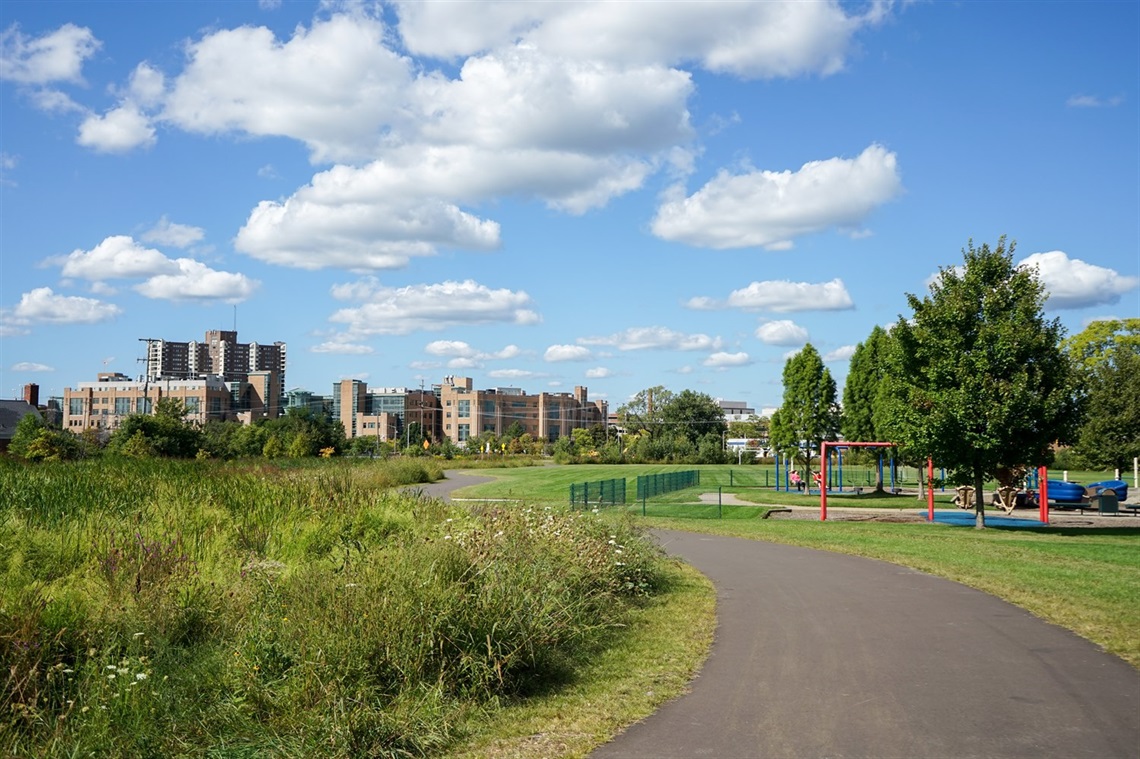
The Kalamazoo River Valley Trail offers another example of how Michigan communities are reconnecting with their waterways. The developing trail system connects communities throughout Kalamazoo County and provides opportunities for walking, biking, and exploring the natural landscape around the Kalamazoo River.
Rather than feeling like a traditional downtown attraction, portions of the trail offer a more natural experience, with wooded areas, wetlands, open fields, and river views. It's an excellent reminder that Michigan's riverfront experiences extend far beyond the state's largest cities.
Saginaw Riverfront | Saginaw
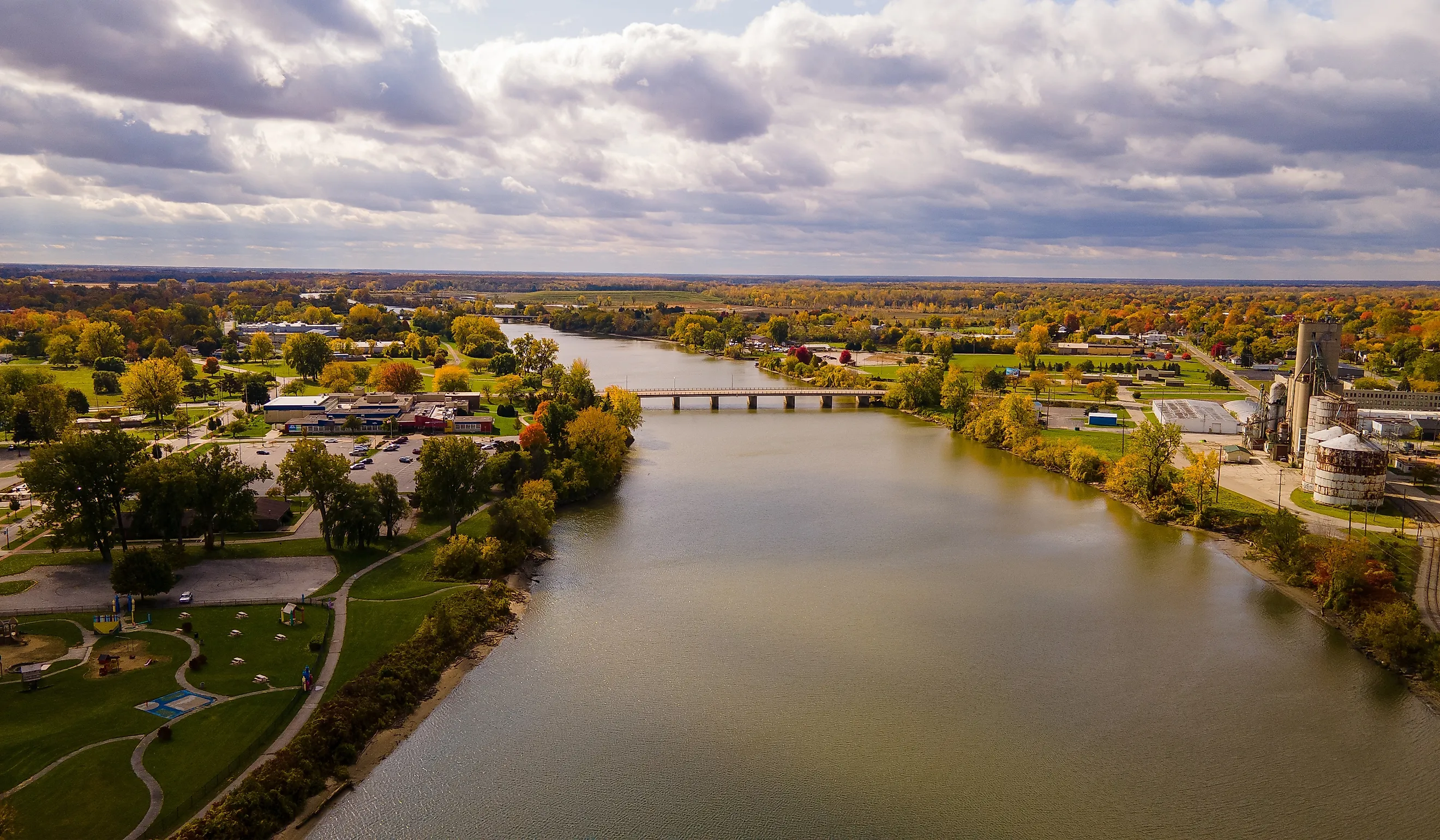
The Saginaw River has played an enormous role in the history and development of the city of Saginaw. Today, the riverfront provides opportunities to experience the water while exploring downtown and nearby parks. The river remains an important part of the city's landscape and offers a fascinating perspective on the region's industrial and maritime history.
Walking along the Saginaw River can feel like stepping through different chapters of Michigan's past. Historic buildings, bridges, boats, and modern public spaces exist alongside one another, creating a riverfront that reflects the evolution of the community.
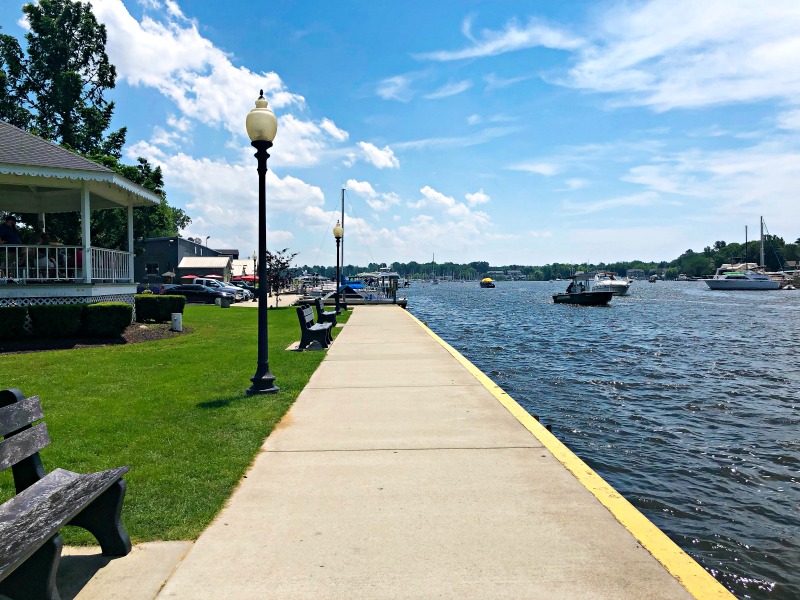
The Kalamazoo River | Douglas & Saugatuck
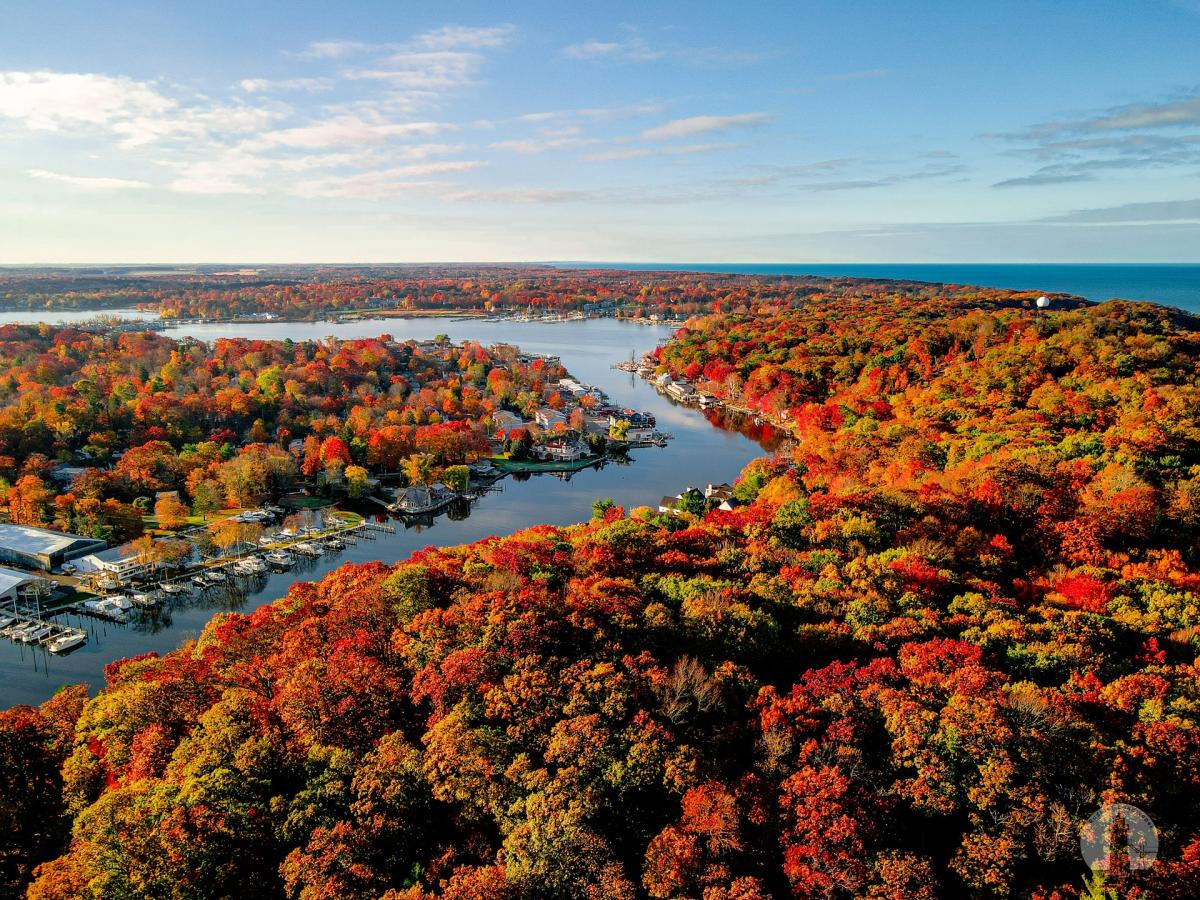
For those willing to venture toward Michigan's western side, the Kalamazoo River offers an entirely different type of riverfront experience. The communities of Saugatuck and Douglas have long been known for their relationship with the water. The river connects inland areas with Lake Michigan, creating a landscape shaped by boating, beaches, dunes, wetlands, and waterfront businesses.
Walking along the riverfront in these communities provides a slower, vacation-like experience. Visitors can explore downtown shops, stop for lunch, visit galleries, and spend time near the water without ever needing to get back in the car. It is one of the reasons these communities remain such popular summer destinations.
Riverwalks provide far more than scenic places to take a stroll. They create connections. They connect neighborhoods with downtowns, residents with nature, and communities with the waterways that helped shape their histories. They provide opportunities for recreation while encouraging people to spend time outside and experience their surroundings at a slower pace.
They can also play an important role in revitalization. When communities invest in waterfront parks, trails, landscaping, public art, and gathering spaces, they create destinations that attract both residents and visitors. Restaurants, shops, and other businesses often benefit from the additional foot traffic, while nearby neighborhoods gain access to valuable recreational amenities.
For those who live in Michigan, these trails are easy to overlook because they are often right in our own backyards. But taking a morning walk along the river, watching boats pass by on a summer afternoon, or seeing the trees change color in the fall can make a familiar community feel completely new. That's perhaps what makes Michigan's riverwalks so special. They aren't simply paths beside the water. They're places where history, nature, recreation, architecture, and community come together.
From the Detroit River to the Huron, Grand, Kalamazoo, and beyond, Michigan's waterways have shaped the places we call home for generations. And today, the best way to appreciate them may simply be to follow the water.