When people begin looking for a home, one of the first numbers they often pay attention to is square footage. It's easy to understand, easy to compare, and it gives buyers a general idea of how much physical space they're getting for their money. A 2,500-square-foot house naturally sounds more appealing than a 1,800-square-foot house when you're looking at the numbers alone. But real estate has never been just about numbers.
Two homes with nearly identical square footage can have dramatically different values, buyer demand, and resale potential simply because they're located in different places. One might be tucked into a desirable neighborhood close to restaurants, parks, and major roads, while the other could offer more space but require a longer commute and have fewer amenities nearby. This is where the phrase "location, location, location" comes from.
The location of a property is one of the few characteristics you can't change. You can renovate a kitchen, finish a basement, add a bathroom, replace the windows, or reconfigure a floor plan. You can make a smaller home feel more functional and update an older home to fit modern tastes. But you can't pick up the house and move it to a different neighborhood. That permanence is a major reason location carries so much weight in real estate. So while square footage absolutely has a place in determining value, here's why the location of a home can sometimes matter even more.
Square Footage Only Tells Part of the Story
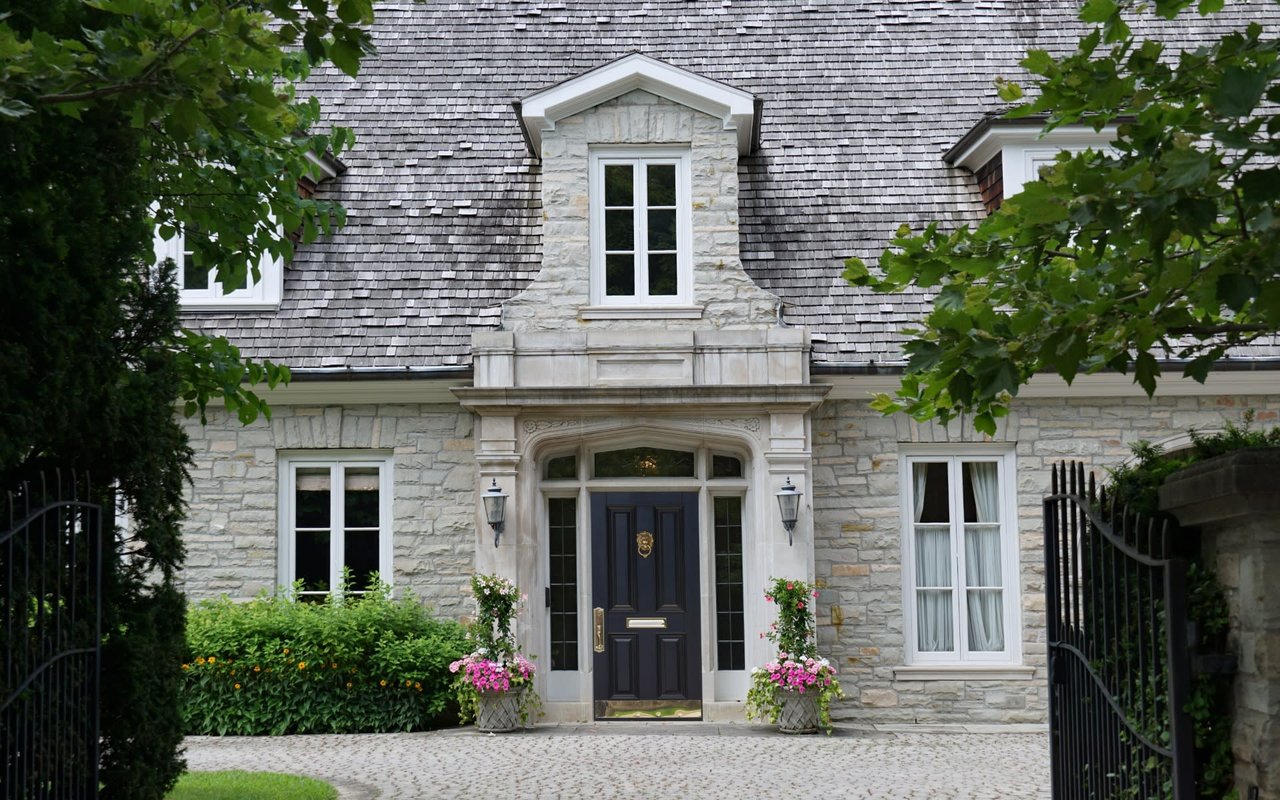
Square footage is useful because it provides a way to compare homes, but it doesn't tell you how that space is actually being used. A 2,500-square-foot house with an awkward layout, small bedrooms, limited storage, and large amounts of unusable hallway space may not feel substantially more functional than a well-designed 1,900-square-foot home. Likewise, a smaller house with an open and efficient floor plan may work beautifully for one buyer's lifestyle while a larger home feels unnecessarily spread out.
This is an important distinction when comparing properties. Buyers aren't really purchasing square footage. They're purchasing a place to live. They're thinking about where their furniture will go, whether there is enough room for their family, how they will entertain, where they'll work from home, how they'll use the yard, and whether the home fits the way they actually live. The same amount of square footage can therefore have very different value depending on the house itself, and the location surrounding it.
Location Can Shape Your Everyday Life
One of the biggest advantages of a desirable location is convenience. A home that puts you close to the places you visit regularly can save an enormous amount of time over the course of a year. Being a few minutes from work, schools, grocery stores, restaurants, parks, shopping, healthcare, or major highways may not feel like a major financial benefit when you're looking at a listing online, but it becomes much more noticeable once you're living there.
Consider two homes that are nearly identical in size and price. One is 10 minutes from your workplace, close to the grocery store and within walking distance of a downtown area. The other is 30 or 40 minutes from work and requires driving for nearly every errand. The second home may give you an additional bedroom or several hundred extra square feet, but the first may give you something much harder to replace: time.
For many buyers, that trade-off is significant. A home's location influences the rhythm of everyday life in ways that don't show up on a floor plan. It affects how long you spend in the car, where you go for dinner, how easily friends and family can visit, whether you can walk or bike to certain destinations, and how convenient ordinary errands feel. In other words, you're not just buying the house. You're buying the environment in which you will live your life.
Neighborhood Character Matters
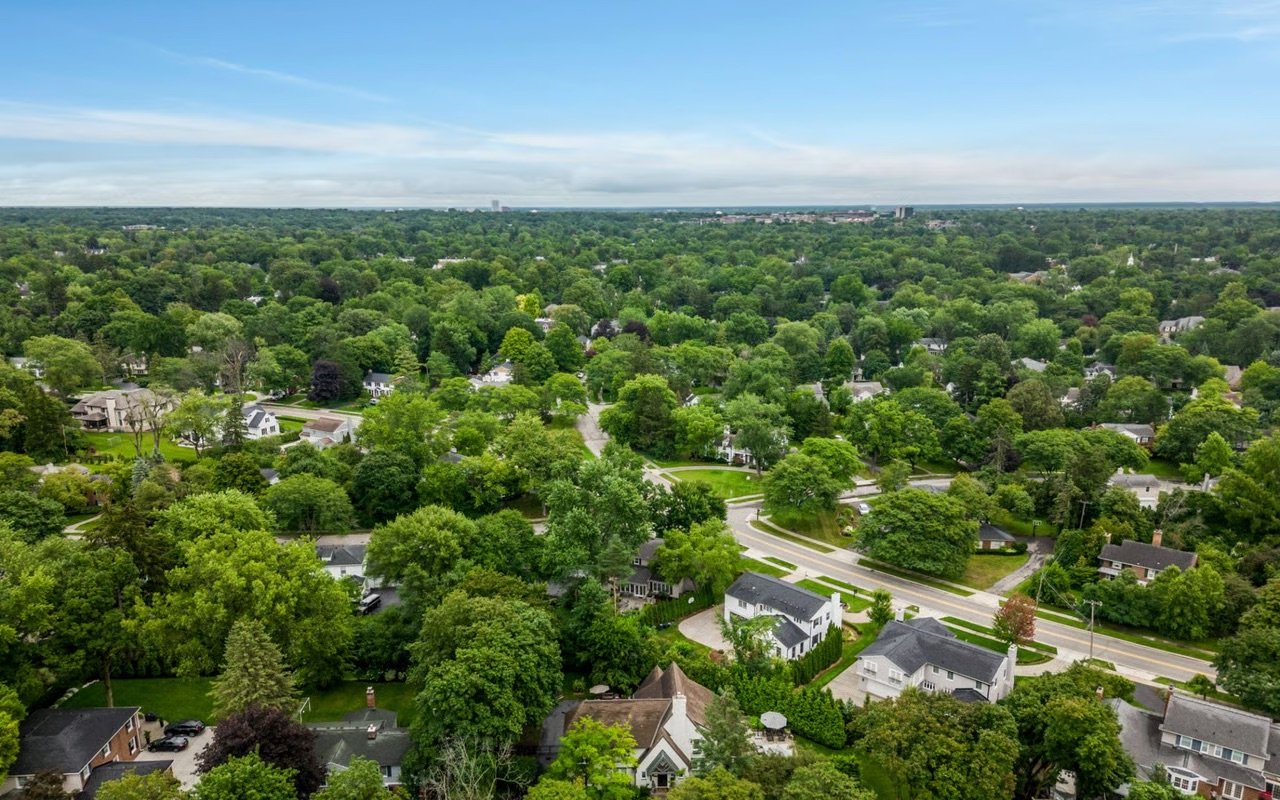
A home's surroundings can also influence how desirable it feels. Neighborhood character is difficult to quantify, but buyers notice it. Tree-lined streets, sidewalks, well-maintained properties, parks, mature landscaping, architectural consistency, community gathering spaces, and a strong sense of identity can all contribute to the appeal of an area.
This is one reason two homes that look similar from the inside can attract very different levels of interest. A house may have a beautiful renovated kitchen and several hundred more square feet, but if it sits on a street that feels less appealing to the buyer, the extra space may not make up for that difference. Meanwhile, a smaller home in a neighborhood someone has always wanted to live in can generate significant competition.
Neighborhood desirability can also change over time. Areas with new businesses, improved public spaces, redevelopment, infrastructure investment, or growing demand may become increasingly attractive to buyers. The physical house matters, but the neighborhood becomes part of the overall product.
Schools Can Be a Major Factor
For buyers with children, or buyers who are thinking about future resale, school districts can play an important role in the decision-making process. A home's school assignment can influence who is willing to purchase the property and how much competition exists for homes in that area. Some buyers may be willing to compromise on the size of a house in order to live in a particular school district, while others may prioritize a larger home elsewhere.
This doesn't mean that school districts are the only consideration, or that a particular district guarantees a home's future value. Real estate markets are much more complicated than that. But it does illustrate an important principle: buyers place value on things that extend beyond the walls of the house. A home can have a beautiful interior, but if the location doesn't meet a buyer's priorities for schools, commute, neighborhood, or lifestyle, the extra square footage may not change their decision.
Proximity to Amenities Adds Value
Another advantage of location is access to amenities. Think about the places you regularly use outside your home: restaurants, coffee shops, grocery stores, parks, libraries, gyms, shopping districts, entertainment venues, healthcare providers, and community centers. Having these destinations nearby can make a location significantly more attractive. This is particularly noticeable in areas with established downtowns or walkable commercial districts.
A smaller home within a short distance of restaurants, shops, parks, and community events may appeal to a buyer who values an active, connected lifestyle more than having an enormous house. Another buyer may prefer a larger property with more privacy and acreage, even if it means driving farther for everyday conveniences. Neither preference is inherently better. The important point is that buyers assign value to the lifestyle that a location provides, and that value can sometimes outweigh the appeal of additional square footage.
The Surrounding Properties Matter, Too
When you're buying a home, you're not purchasing an isolated structure. The properties around you can influence the overall appeal of the location. Buyers notice whether neighboring homes are well maintained, whether the street feels residential and established, how much privacy there is, and what surrounds the property. A house with a beautiful interior may feel very different if it backs up to a busy commercial corridor, major roadway, industrial property, or another source of noise.
On the other hand, a smaller home with mature trees, attractive neighboring properties, privacy, and a pleasant street setting can feel particularly special. This is one reason it's worth exploring a neighborhood beyond the individual listing. Drive around at different times of day. Look at nearby streets. Pay attention to traffic, noise, parking, landscaping, and how the area feels when you're actually there. The listing can tell you the dimensions of the house. It can't fully tell you what it feels like to live there.
Location Can Affect Resale Value
One of the biggest reasons location matters to buyers is that it can matter just as much, or sometimes more, to the buyers who come after them. When you purchase a home, it's worth thinking about how attractive that property might be five, ten, or fifteen years from now. A home in a consistently desirable location may have a broader pool of potential buyers when you eventually decide to sell. Even if the house itself is smaller than some competing properties, the neighborhood, schools, amenities, accessibility, and overall setting can continue to attract people.
This is particularly important because you can change the house, but you can't change its address. If you eventually decide that you need a larger kitchen, an additional bathroom, updated flooring, or a finished basement, those are improvements you can potentially make. If you discover that the neighborhood isn't a good fit for your lifestyle, that's a much more difficult problem to solve.
Thinking about resale doesn't mean you should choose a home based solely on what another buyer might want years from now. You should still choose a home that works for your life. But considering future demand can help you make a more informed decision.
The "Best" Location Depends on the Buyer
There is also no such thing as one universally perfect location. A young professional may prioritize being close to restaurants, entertainment, and public transportation. A family may place more emphasis on schools, parks, and neighborhood amenities. Someone who works from home may care less about commuting but place a higher value on privacy and outdoor space. Someone else may want acreage, quiet roads, and distance from the activity of a downtown area. All of these buyers can be making perfectly rational decisions.
The best location is ultimately the one that fits your lifestyle and priorities. That's why it's important to identify what actually matters to you before becoming overly focused on a home's size. If you know that you love walking to dinner, spend your weekends at parks, or need an easy commute, those priorities should be part of your home search from the beginning. Otherwise, it's easy to become distracted by a bigger house that looks impressive on paper but doesn't necessarily make your life better.
So, Should You Choose Location Over Square Footage?
Not necessarily. The better question is how much each one matters to you.
If you need four bedrooms, a home office, a large kitchen, and substantial storage, sacrificing too much space for a great location may leave you unhappy with the house itself. On the other hand, if you're choosing between two homes that both meet your basic space requirements, location may become the factor that makes one property significantly more appealing. A good home search isn't about finding the biggest house you can afford. It's about finding the right combination of space, condition, price, neighborhood, convenience, and long-term potential.
Sometimes that means choosing a smaller house in a location you love. Sometimes it means buying more house in an area that gives you the lifestyle you're looking for. And sometimes it means recognizing that the perfect home doesn't have to check every box, it simply needs to get the most important ones right.
When you're touring a property, it's natural to focus on the house itself. Look at the kitchen. Count the bedrooms. Measure the closets. Think about where your furniture will go. But before you decide whether a property is right for you, take a moment to look beyond the four walls. What is the street like? What are the surrounding homes like? How long will your commute be? What can you walk or drive to? What does the neighborhood feel like in the morning, evening, and on the weekend? Is the area likely to continue being desirable? And perhaps most importantly, can you see yourself enjoying your everyday life there? Those questions can tell you just as much about a home as the number of bedrooms or the square footage listed on the MLS.
At the end of the day, square footage tells you how much space you're buying. Location helps determine what that space is worth, how it fits into your life, and how desirable it may be to someone else in the future. A larger house can certainly be a wonderful investment and an even better home. But when you're evaluating real estate, don't let a bigger number on the listing sheet distract you from the value of everything happening outside the front door. Because when it comes to real estate, you can renovate the house.
You just can't renovate the location.