When people talk about finding the right home, the conversation often starts with the house itself. Buyers look at the number of bedrooms, the size of the kitchen, the condition of the bathrooms, the yard, the garage, and the features that fit their everyday needs. All of those things matter, but eventually another question becomes just as important: How does the neighborhood feel?
That question can be surprisingly difficult to answer. A neighborhood can look beautiful in photographs and still not feel like the right fit once you spend time there. Another may not immediately impress you when you first drive through, but after a few visits, you begin noticing the things that make it special. Maybe neighbors are outside walking their dogs, a local coffee shop is busy on a Saturday morning, children are riding bikes down the street, or people recognize one another at the farmers market. Maybe there is a park nearby where families gather in the summer or a downtown district that becomes part of your regular routine.
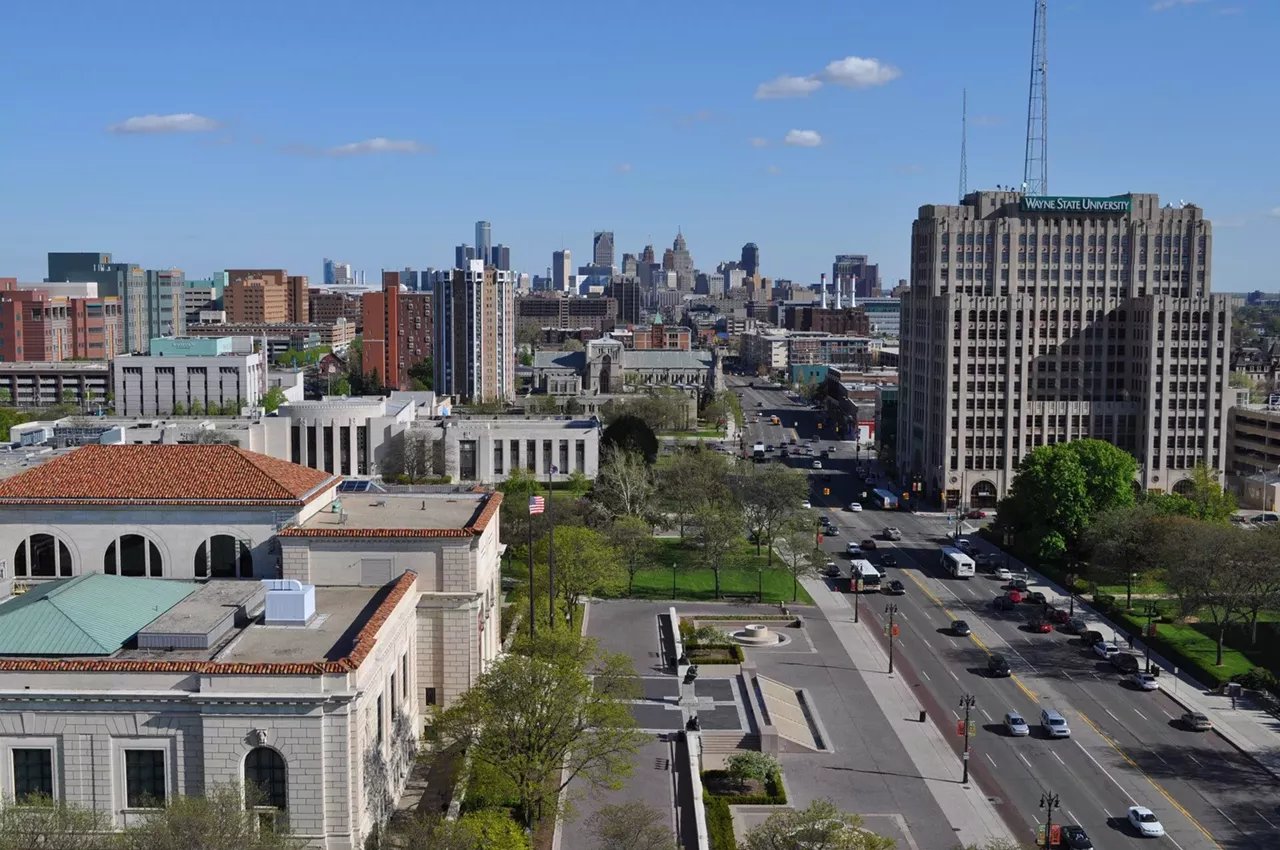
Those details may not appear on an MLS listing, but they can have a major impact on how connected you feel to a place. Metro Detroit is particularly interesting in this regard because the region is made up of communities with remarkably different personalities. The common thread is that a neighborhood becomes more than a collection of houses when the people, places, traditions, and everyday experiences begin to create a sense of belonging. So what exactly makes a Metro Detroit neighborhood feel like home?
It Starts With the Character of the Streets
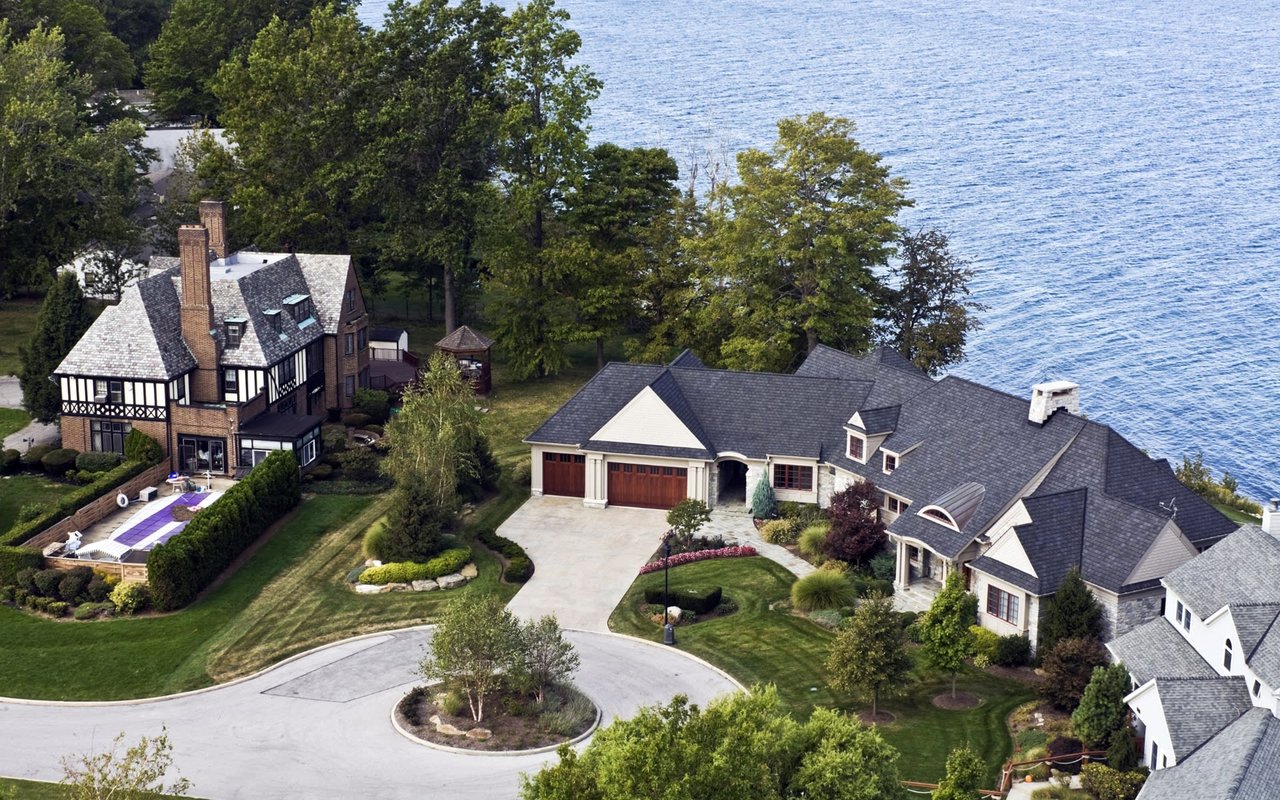
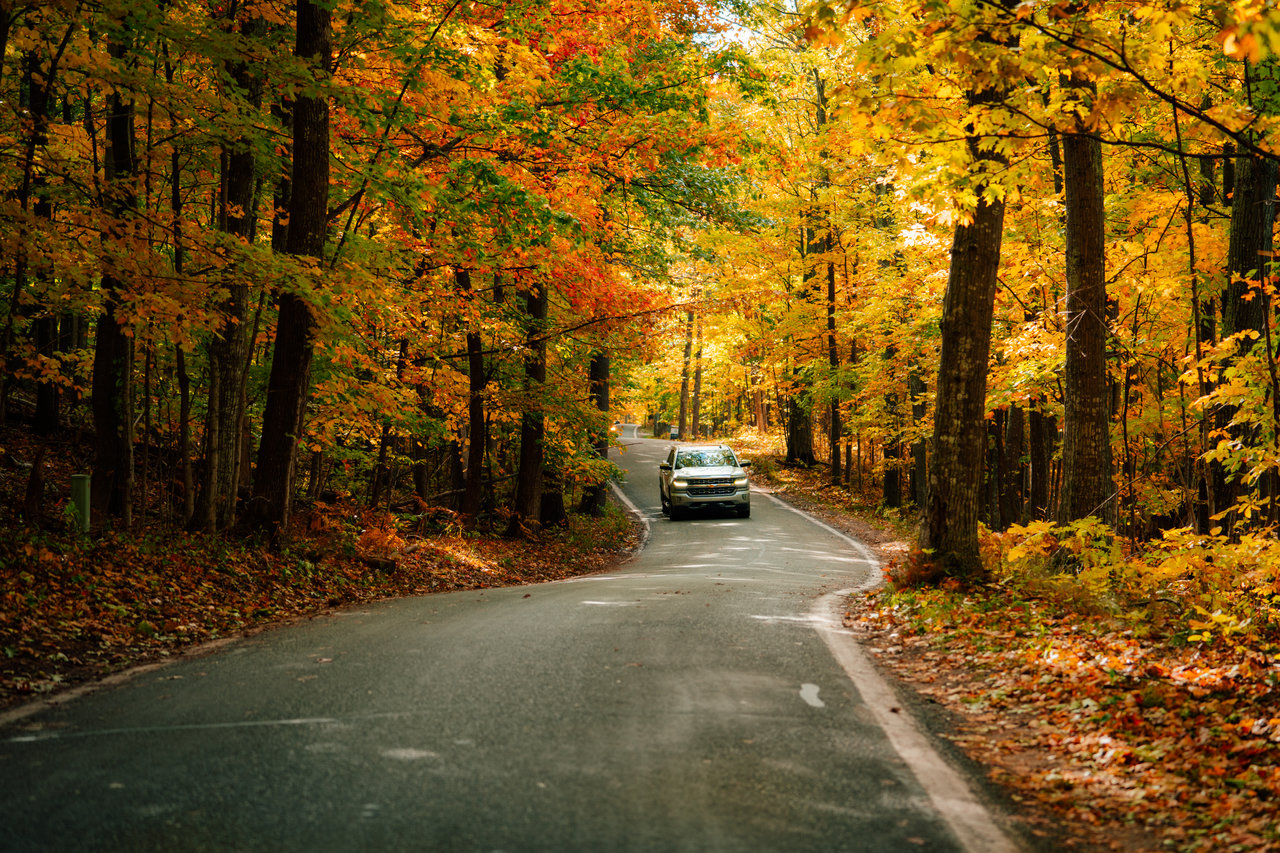
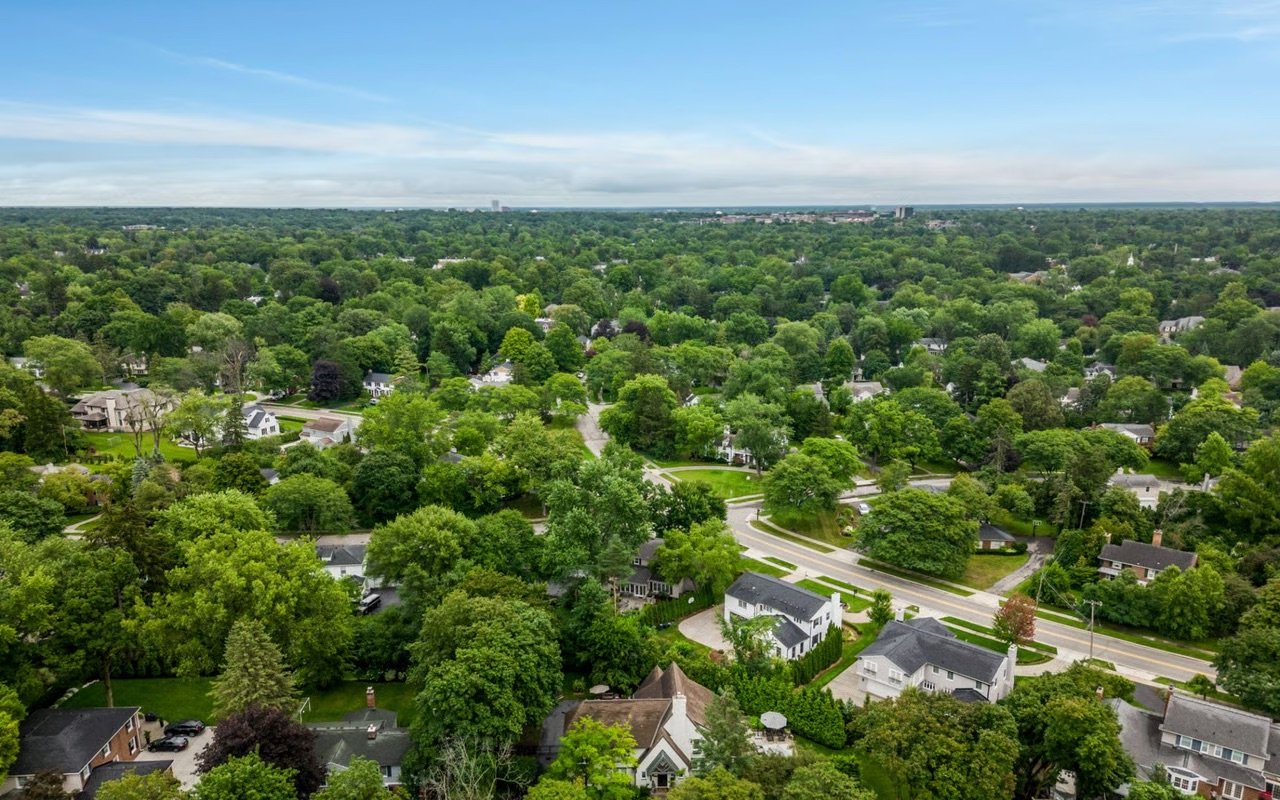
One of the first things people notice about a neighborhood is its physical character. You might immediately be drawn to mature trees creating a canopy over the streets, sidewalks that connect homes to nearby parks, older homes with distinctive architecture, or streets that have a consistent rhythm without every property looking exactly the same. In other areas, newer construction, wider lots, modern homes, and carefully planned streets create an entirely different atmosphere.
There is no single formula for a beautiful neighborhood. What matters is that the surroundings have a sense of identity.
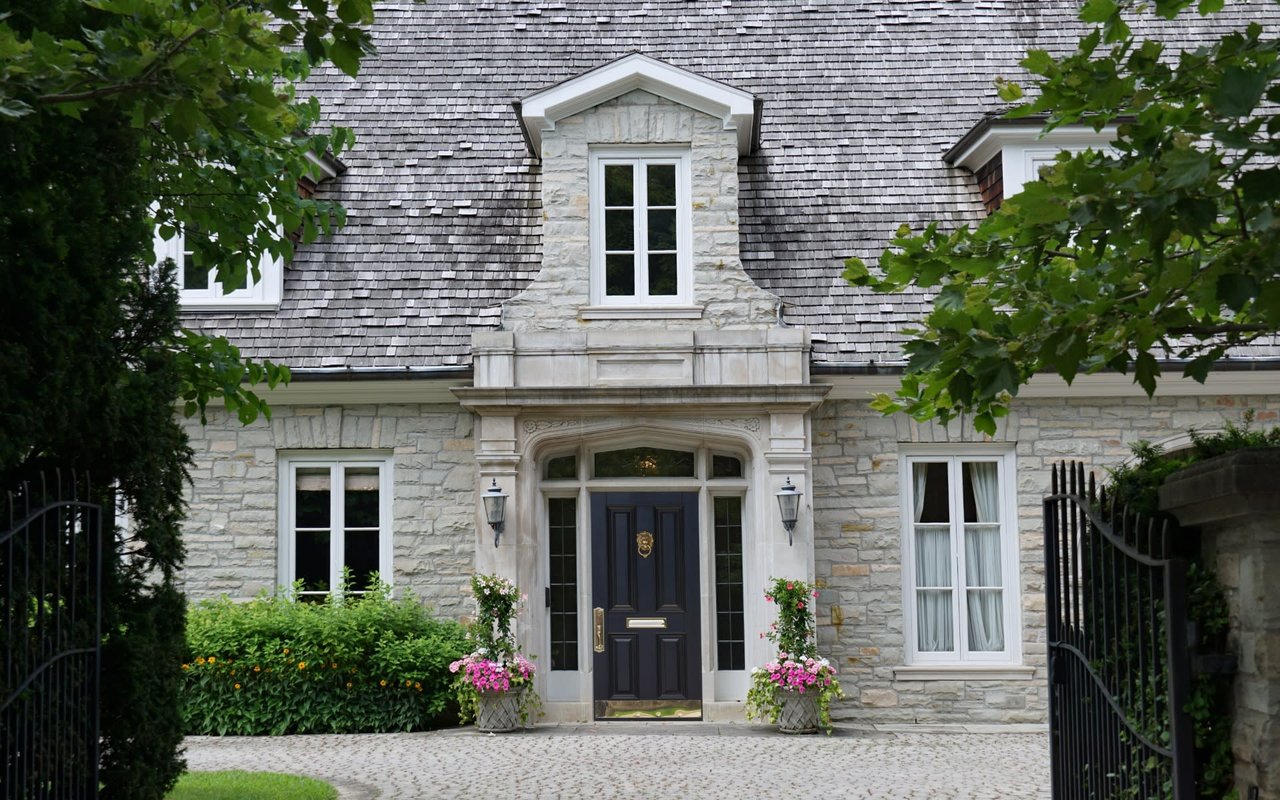
Metro Detroit has an especially interesting architectural history because so many communities developed during different periods of the region's growth. You can find early twentieth-century bungalows, Tudors, Colonials, mid-century homes, contemporary construction, historic estates, and thoughtfully renovated properties all within relatively short distances of one another. That variety is part of what gives the region its personality.
Walkability Creates Familiarity
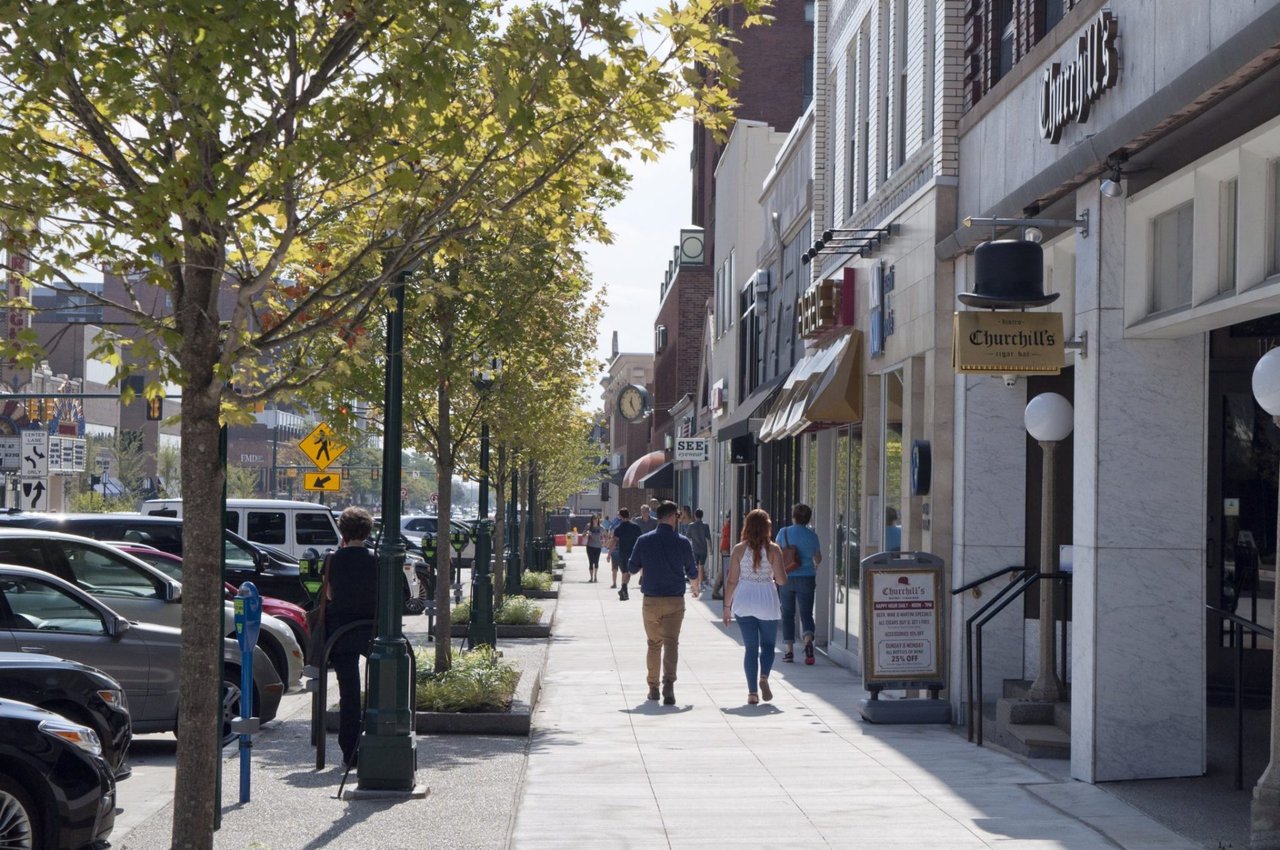
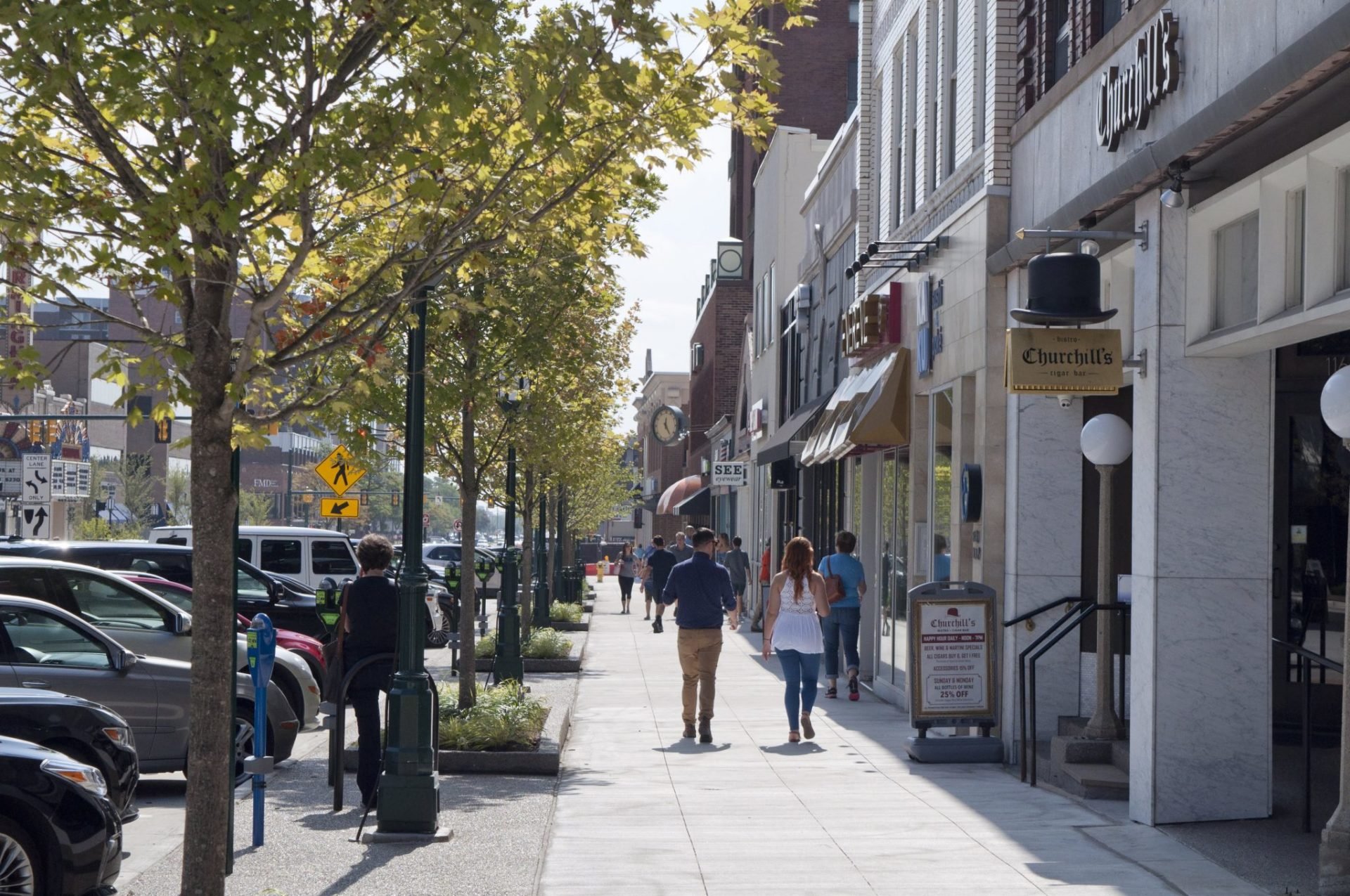
Walkability is often discussed as a convenience, but it can also contribute to a much stronger sense of community. When people can walk from their homes to a coffee shop, park, restaurant, library, school, or local business, they are more likely to encounter other people as part of their ordinary routines.
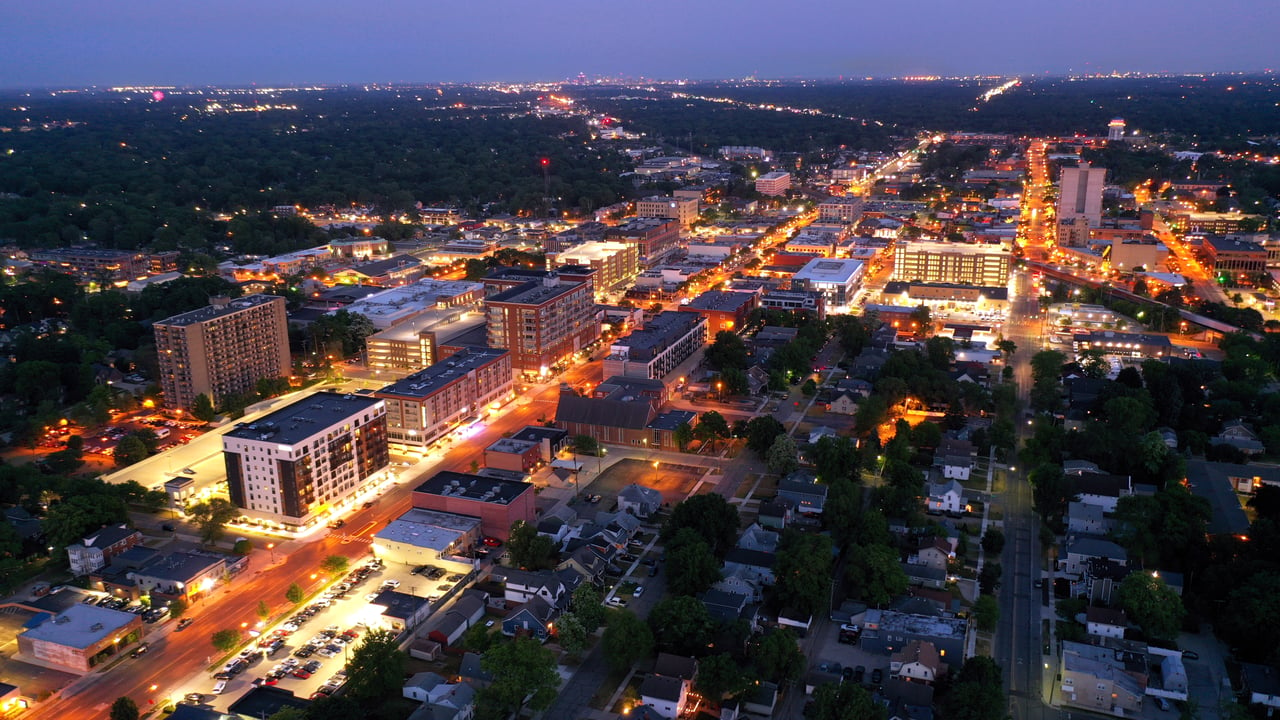
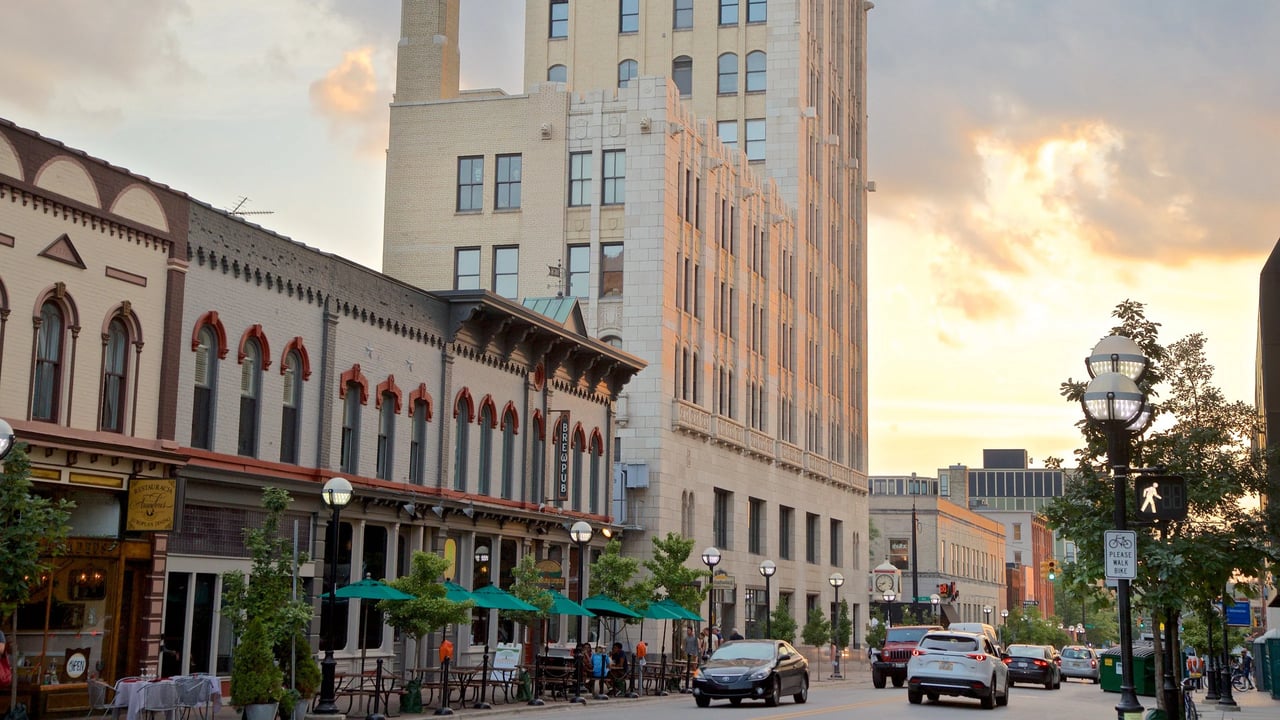
Those repeated interactions are small, but they can gradually create a feeling of familiarity. This is one reason Metro Detroit communities with walkable downtowns often have such distinctive personalities. Areas such as Birmingham, Royal Oak, Ferndale, Rochester, and other established communities have commercial districts that become extensions of the residential neighborhoods around them. People aren't simply going there because they need something. They are going there because those places become part of their routines.
A neighborhood doesn't necessarily need to be completely walkable to feel connected, but having destinations nearby can make it easier for people to interact with their surroundings rather than simply getting in the car and leaving.
Local Businesses Give a Neighborhood Its Personality
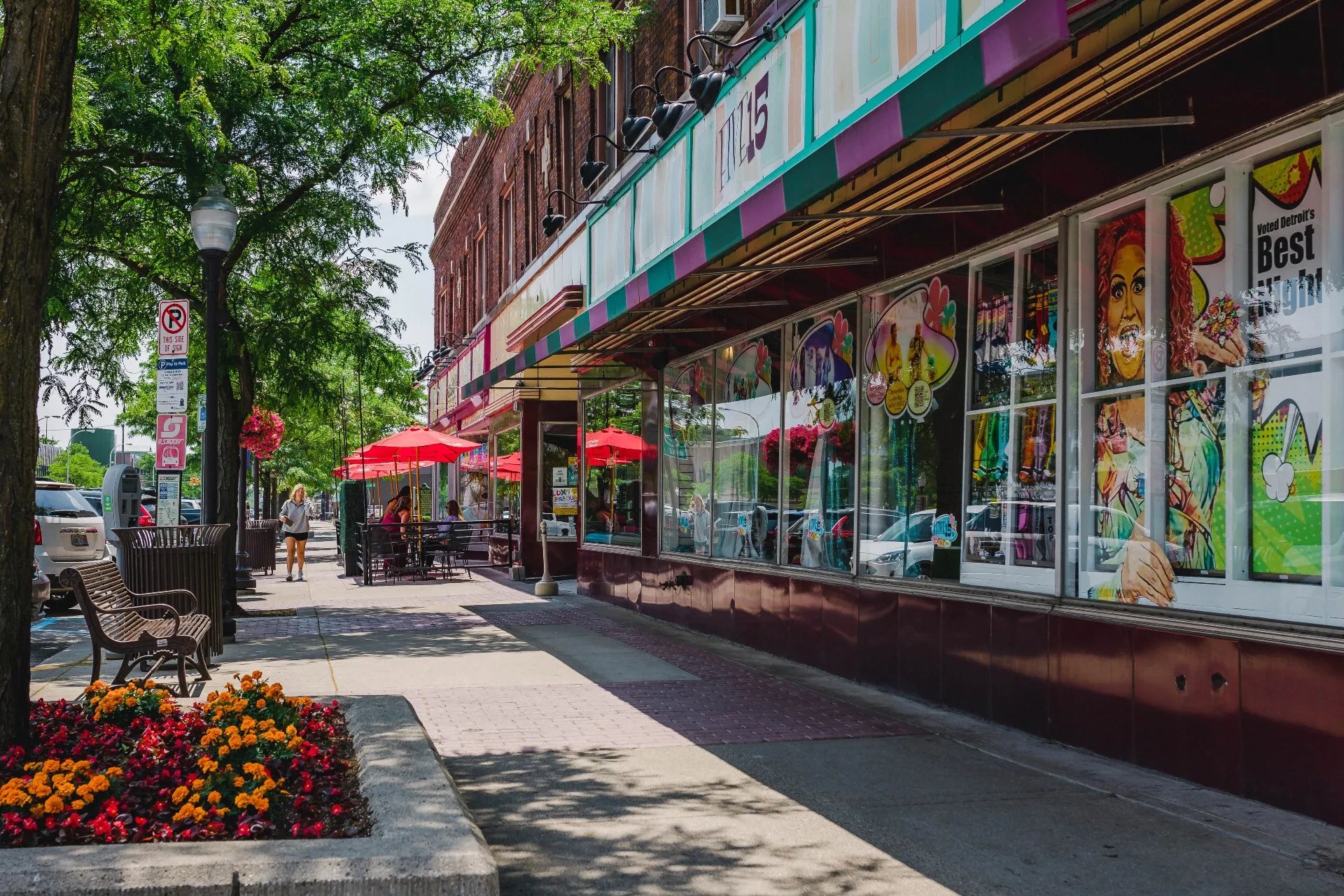
A national chain can provide convenience, but independent businesses often give a community its identity. The local coffee shop where the staff knows regular customers, the restaurant that has been in the same location for years, the bookstore, bakery, florist, hardware store, or family-owned business all contribute to a neighborhood's sense of place. These businesses become landmarks.
When someone says they live near a particular restaurant or coffee shop, they're not simply describing a geographic location. They are referencing something that has become part of the community's identity. Metro Detroit has many downtown districts where locally owned businesses play a major role in defining the character of the area. They create destinations that encourage residents to stay close to home, support the local economy, and interact with people they might otherwise never meet.
Over time, these businesses become part of people's memories. They are where first dates happen, where families celebrate birthdays, where neighbors meet for coffee, and where someone stops on a Saturday morning because it has become part of their routine. That kind of familiarity is difficult to manufacture.
Parks Give People a Reason to Gather
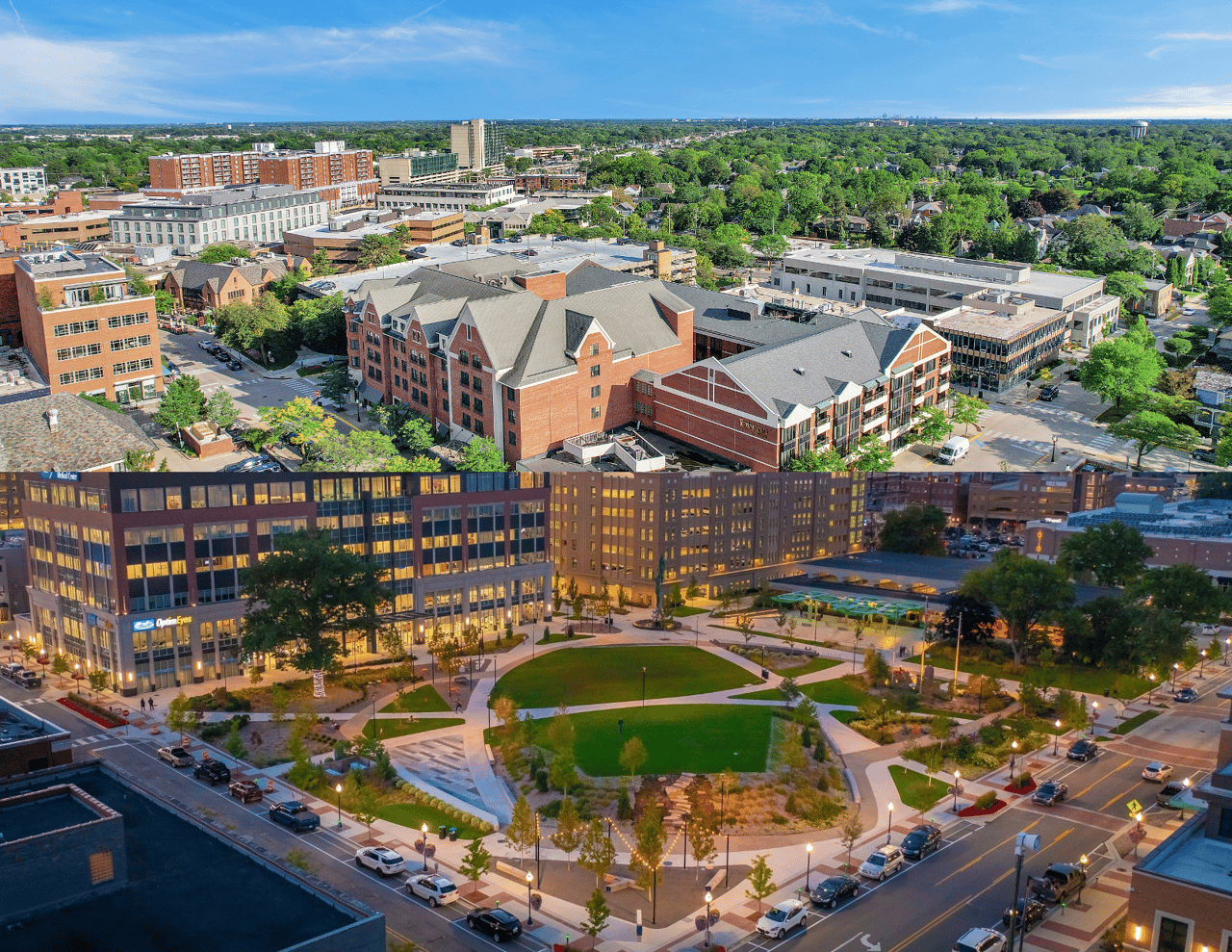
Parks are another important piece of the neighborhood equation. A good neighborhood park doesn't have to be enormous or elaborate. A playground, walking path, open field, basketball court, community garden, or shaded area can become a gathering place for residents. In the warmer months, Metro Detroit parks become particularly important. Families spend afternoons outside, people walk or run through their neighborhoods, children play together, and community events often take place outdoors.
These shared spaces create opportunities for people to interact naturally. A park also gives a neighborhood something that individual homes cannot provide: a common space that belongs to everyone. When residents have places to gather outside of their own properties, the neighborhood can begin to feel more connected. People aren't simply living next to one another. They are sharing parts of the same environment.
Community Events Create Traditions
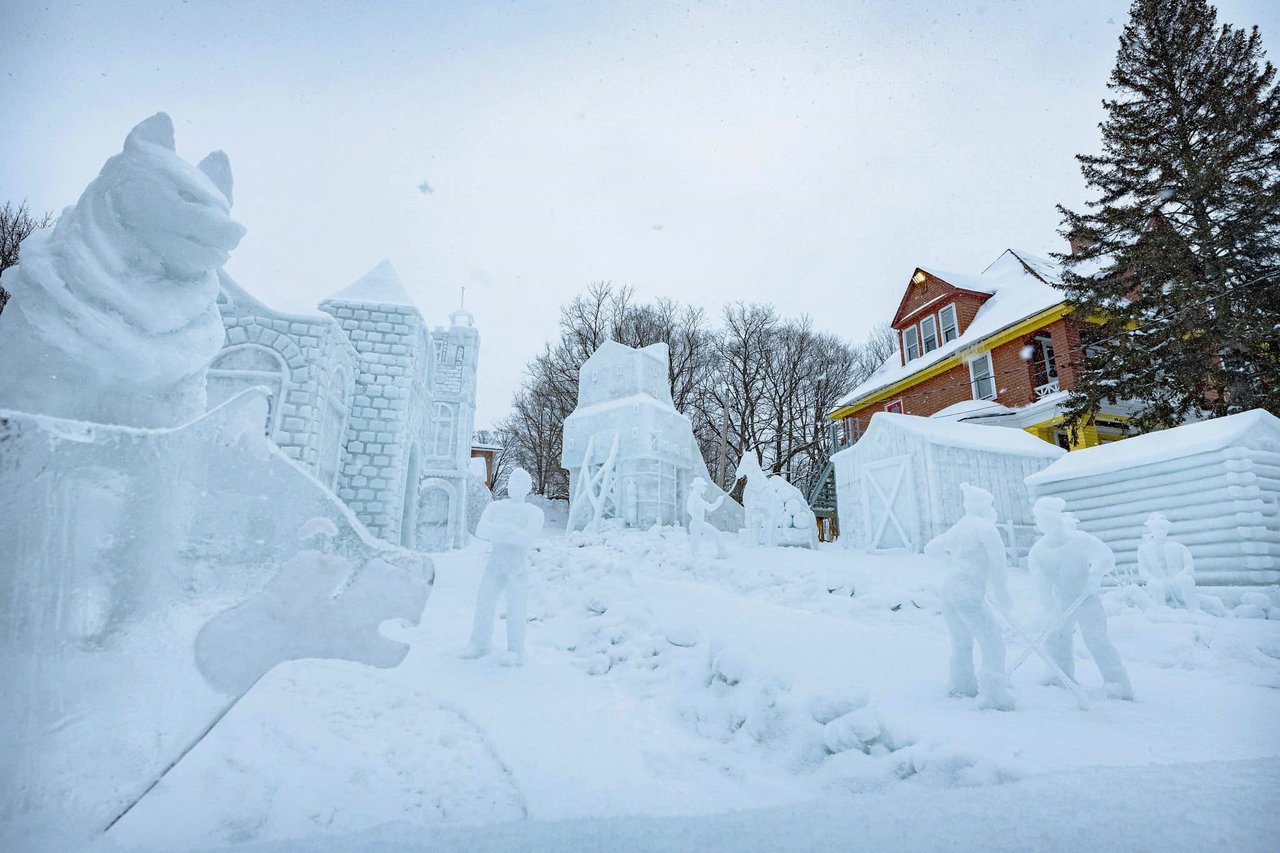
Some of the strongest neighborhood memories come from events that happen year after year. Summer concerts, holiday parades, farmers markets, art fairs, neighborhood festivals, outdoor movie nights, charity events, and seasonal celebrations can all become traditions that residents look forward to. These events give people a reason to leave their homes and participate in something together.
The event itself may only last a few hours, but the tradition can become much more meaningful over time. Families return year after year. Children grow up attending the same festival. Local businesses participate. Neighbors recognize one another. Eventually, these traditions become part of what people mean when they say they love where they live. They aren't talking about the houses but the memories associated with the place.
Neighbors Matter More Than You Might Expect
A neighborhood's physical characteristics are important, but the people living there ultimately have a tremendous influence on how it feels. You don't have to become best friends with everyone on your street. In fact, many people appreciate having a healthy balance of privacy and community. But there is something comforting about knowing that the people around you are invested in the place you all share.
That might mean neighbors looking out for one another, chatting while getting the mail, helping someone carry groceries, organizing a block gathering, or simply recognizing familiar faces. These interactions can be especially meaningful during major life moments. A new baby, a graduation, a renovation, a move, or even a difficult winter can create opportunities for neighbors to connect. A strong neighborhood doesn't require everyone to have the same lifestyle or interests. It simply needs enough shared connection that people feel like they are part of something larger than their individual property.
A Neighborhood Should Have a Sense of Place
Some neighborhoods are difficult to describe because they could be almost anywhere. Others have an unmistakable sense of place. You know you're in a particular community because of the architecture, the downtown, the local businesses, the streets, the parks, the signs, the traditions, or simply the way the area feels. This sense of place can be one of the strongest reasons people develop an emotional connection to a neighborhood.
Think about the places you have visited that you could recognize immediately without seeing a street sign. Maybe the buildings have a distinctive architectural style. Maybe there is a historic downtown with recognizable storefronts. Maybe mature trees line the roads. Maybe there is a particular park, river, landmark, or gathering space that immediately tells you where you are. These characteristics create identity. And identity matters because people generally don't just want a house that works. They want to feel like they belong somewhere.
Location and Lifestyle Have to Work Together
When searching for a home, it is easy to focus on whether the property checks your practical boxes. You need a certain number of bedrooms. You want a garage. You need a home office. You would like a yard. Those things are important. But the neighborhood should support the life you want to live inside the house.
If you love going out to dinner, you may appreciate being close to restaurants. If you spend your weekends outdoors, nearby parks and trails might matter more. If you have a dog, walkability and green space could become part of your daily routine. If you enjoy community events, a neighborhood with an active downtown or local calendar may feel more engaging. Your home should make your life easier, but your neighborhood should make your life feel like yours. This is why two buyers with identical budgets can make completely different decisions and both end up in the right place.
Finding a Neighborhood That Feels Like Home
One of the best ways to evaluate a neighborhood is to spend time there before making a decision. Drive through the area at different times of day. Visit on a weekday and then return on a weekend. Walk the streets if you can. Stop at a local business. Visit a nearby park. Pay attention to traffic and noise. Notice whether people are outside. Look at how the area changes throughout the seasons.
Most importantly, imagine your ordinary life there. Where would you get coffee on Saturday morning? Where would you take your dog for a walk? Where would your children play? Where would you go for dinner? How long would it take to get to work? Would friends and family enjoy visiting? Could you picture yourself becoming a regular at the places around you? Those questions can reveal things that a listing sheet never will.
Metro Detroit has no shortage of neighborhoods with their own distinct personalities, from historic urban communities to walkable downtowns and quiet suburban streets. The challenge isn't finding a neighborhood that everyone agrees is the best. It is finding the one that feels right to you.
Because eventually, the goal isn't simply to find a house you like but to find a place where, over time, the house, the street, the neighborhood, and your everyday life all begin to feel like home.