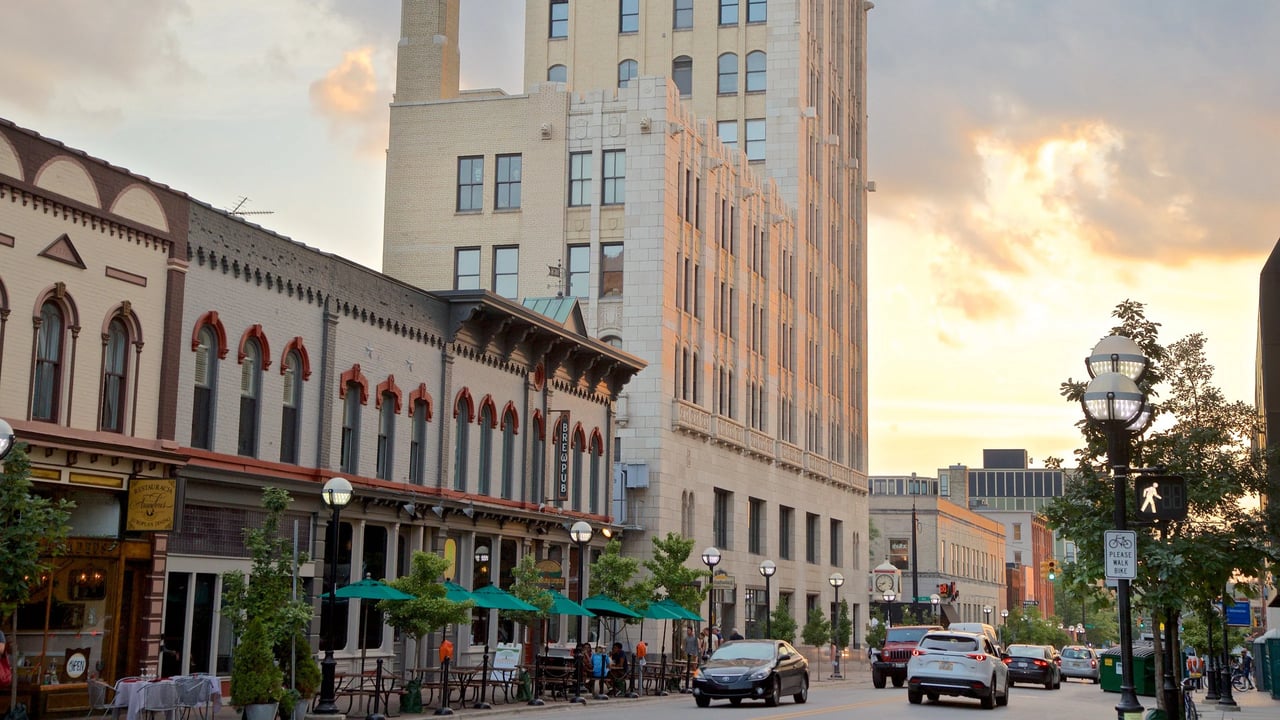
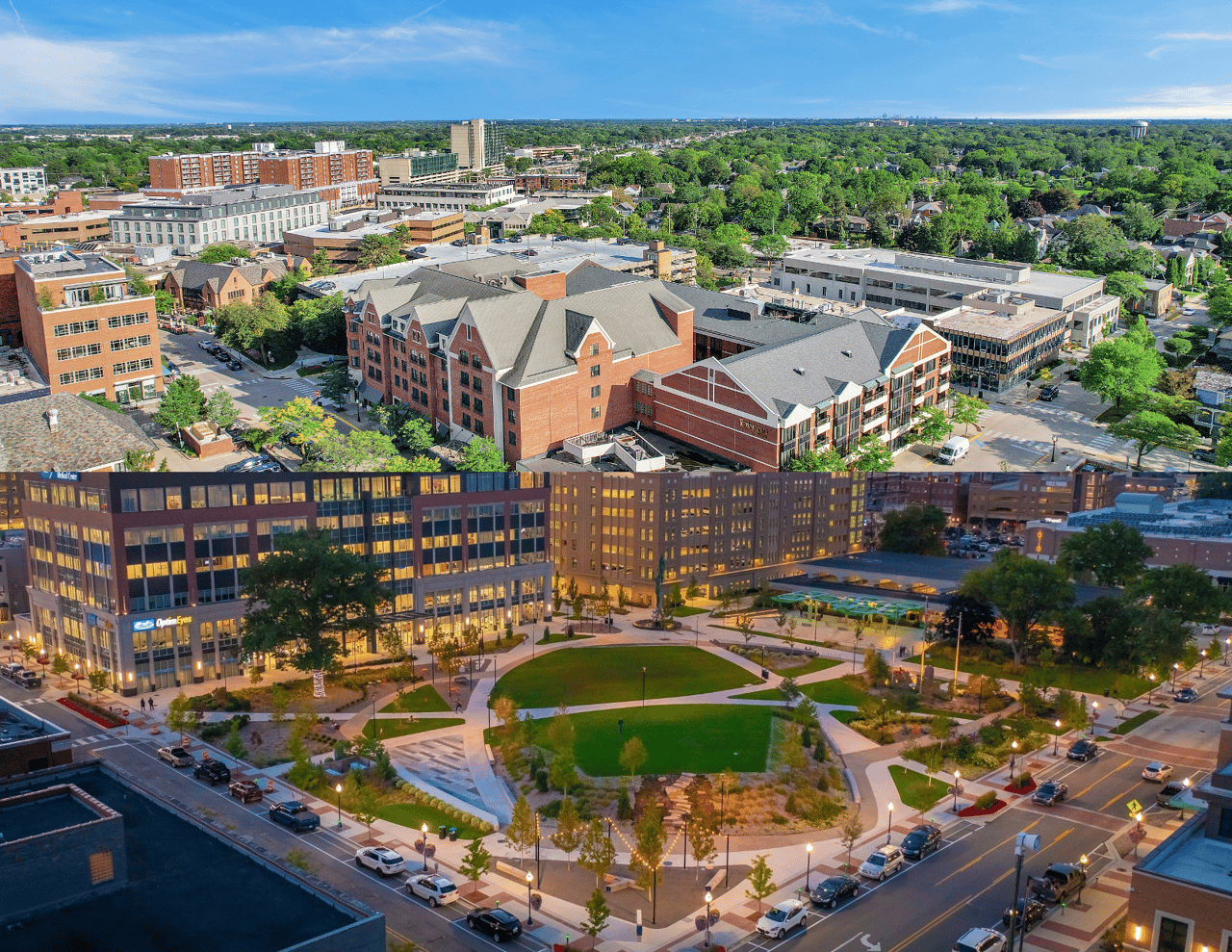
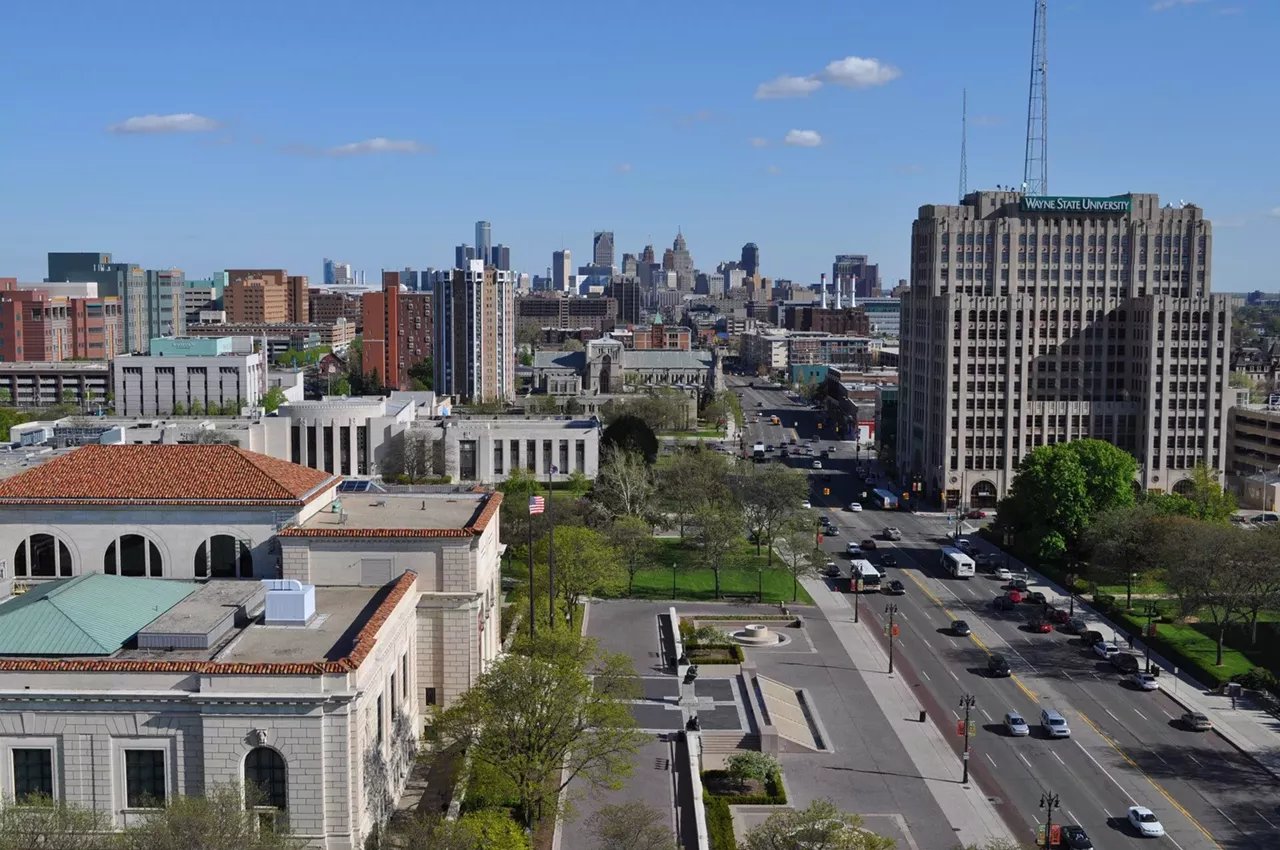
There are few cities in America where architecture tells a story quite like Detroit. Long before visitors learn about the automotive industry or experience the city's renowned food scene, they notice the buildings. Towering Art Deco skyscrapers rise above downtown streets. Ornate theaters transport visitors back to the golden age of cinema. Historic churches stand as reminders of generations that helped shape the city's identity, while neighborhoods filled with Tudor Revivals, Colonial homes, Craftsman bungalows, and Mid-Century Modern residences showcase more than a century of residential design.
Detroit's architecture reflects ambition, innovation, craftsmanship, and resilience. It tells the story of a city that experienced tremendous growth during the early twentieth century, attracted some of the country's most celebrated architects, and built structures that continue to inspire generations later.
Perhaps what makes Detroit especially remarkable is the diversity of its architectural landscape. Rather than being defined by one particular style, the city embraces many. Beaux-Arts, Art Deco, Gothic Revival, Neoclassical, Modernist, Industrial, and Mid-Century influences all coexist within just a few square miles, creating one of the most architecturally significant urban environments in the country. Whether you're a lifelong Detroiter or someone exploring the city for the first time, these landmarks help explain why Detroit remains one of America's great architectural destinations.
The Guardian Building
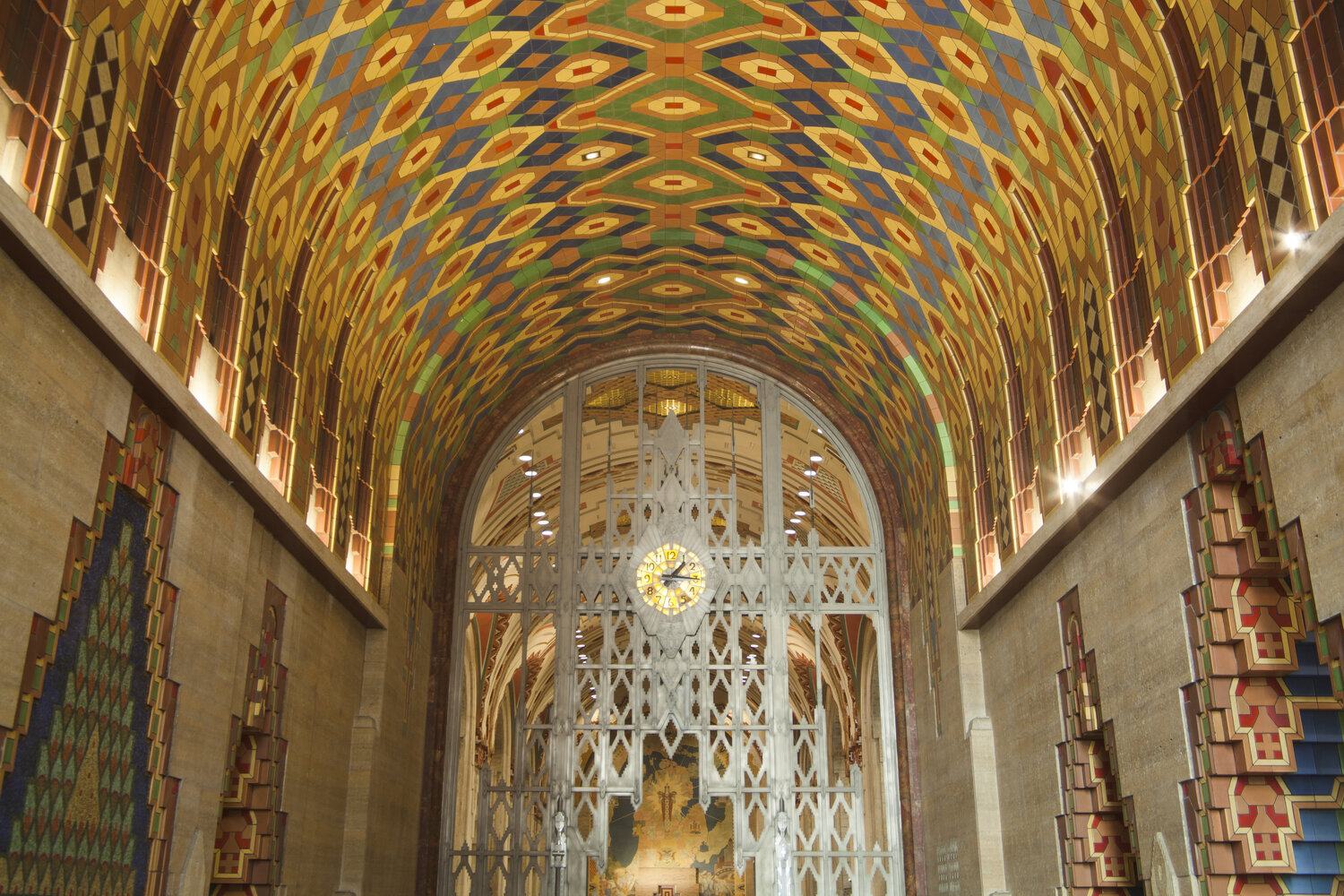
Few buildings capture Detroit's architectural identity more completely than the Guardian Building. Completed in 1929 during the height of Detroit's economic boom, the Guardian Building is widely regarded as one of the greatest examples of Art Deco architecture anywhere in the world. While many Art Deco skyscrapers emphasize sleek simplicity, the Guardian Building embraces bold color, intricate detail, and remarkable craftsmanship.
Its exterior combines vibrant orange brick, limestone, and decorative terra cotta, creating a skyline presence unlike any other building in Detroit. Inside, visitors are greeted by a breathtaking lobby featuring hand-painted tilework, colorful mosaics, vaulted ceilings, and geometric patterns inspired by Native American, Aztec, and Arts and Crafts influences.
The building reflects a time when architecture was intended not simply to provide office space but to inspire awe. Nearly a century later, it continues to do exactly that. Today, the Guardian Building remains both a functioning office building and one of Detroit's most beloved architectural treasures, welcoming visitors who come simply to admire its extraordinary interior.
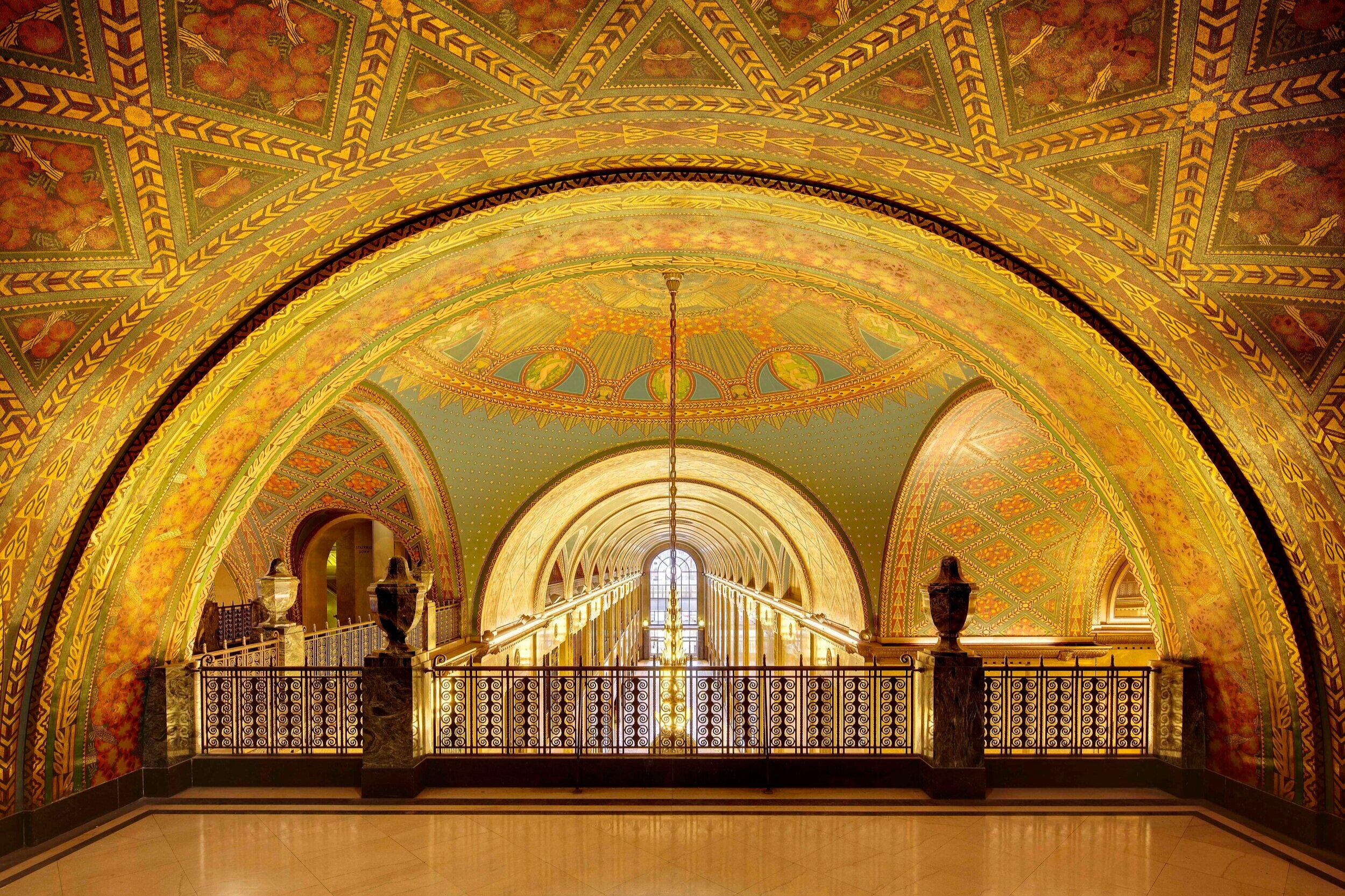
The Fisher Building
Located in Detroit's New Center neighborhood, the Fisher Building has often been called "Detroit's largest art object," and it's easy to understand why. Completed in 1928, the building combines Art Deco elegance with extraordinary attention to detail. Marble imported from around the world, elaborate bronze accents, vaulted ceilings, hand-painted artwork, and intricate mosaics create an interior that feels every bit as impressive today as it did nearly one hundred years ago.
Originally developed by the Fisher brothers of Fisher Body fame, the building represented the optimism and prosperity of Detroit during one of its most significant periods of growth. Beyond its office spaces, the Fisher Building also houses the beautifully restored Fisher Theatre, which continues to host Broadway productions and live performances throughout the year. Together, the building and theater remain central to Detroit's cultural and architectural identity.
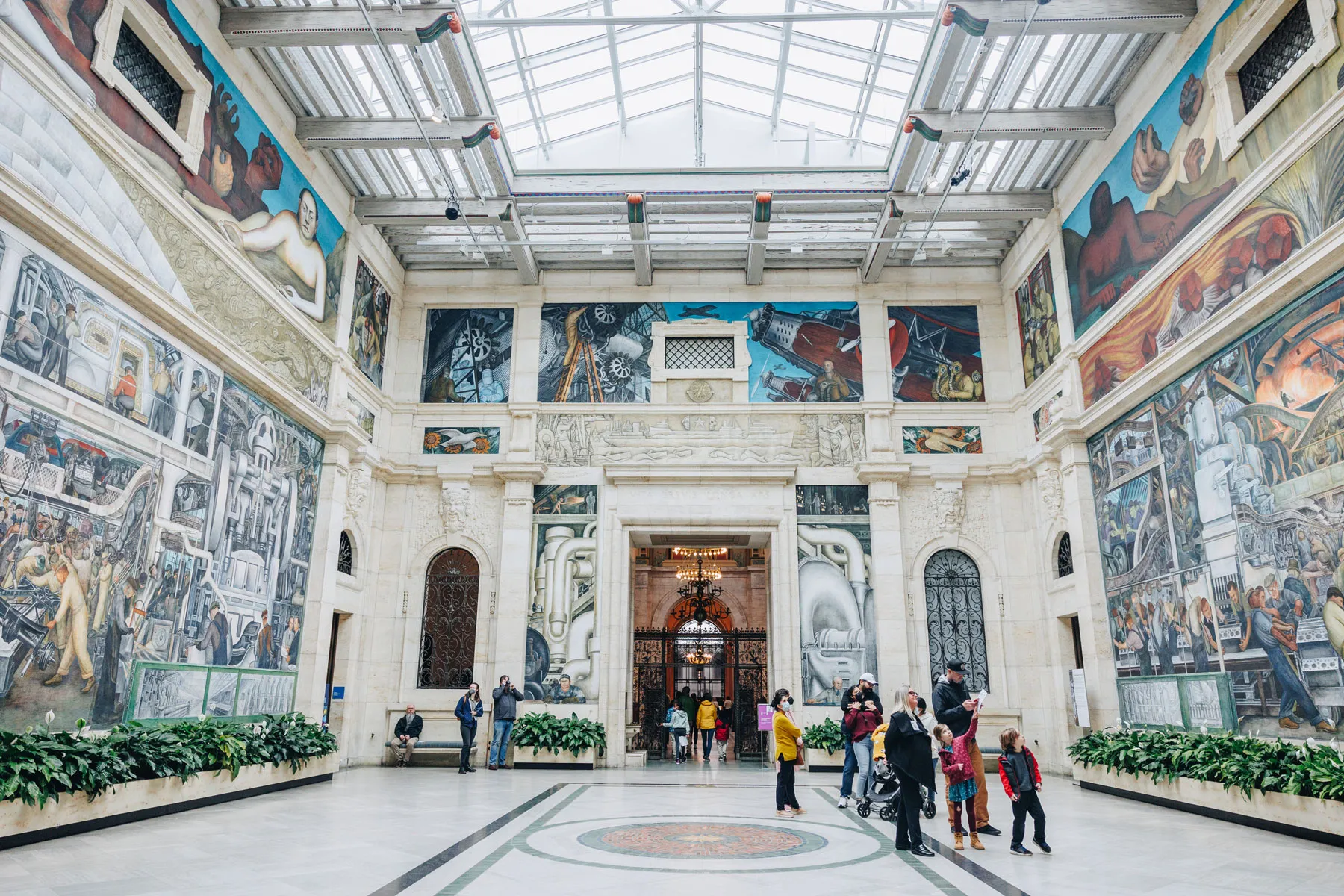
The Detroit Institute of Arts
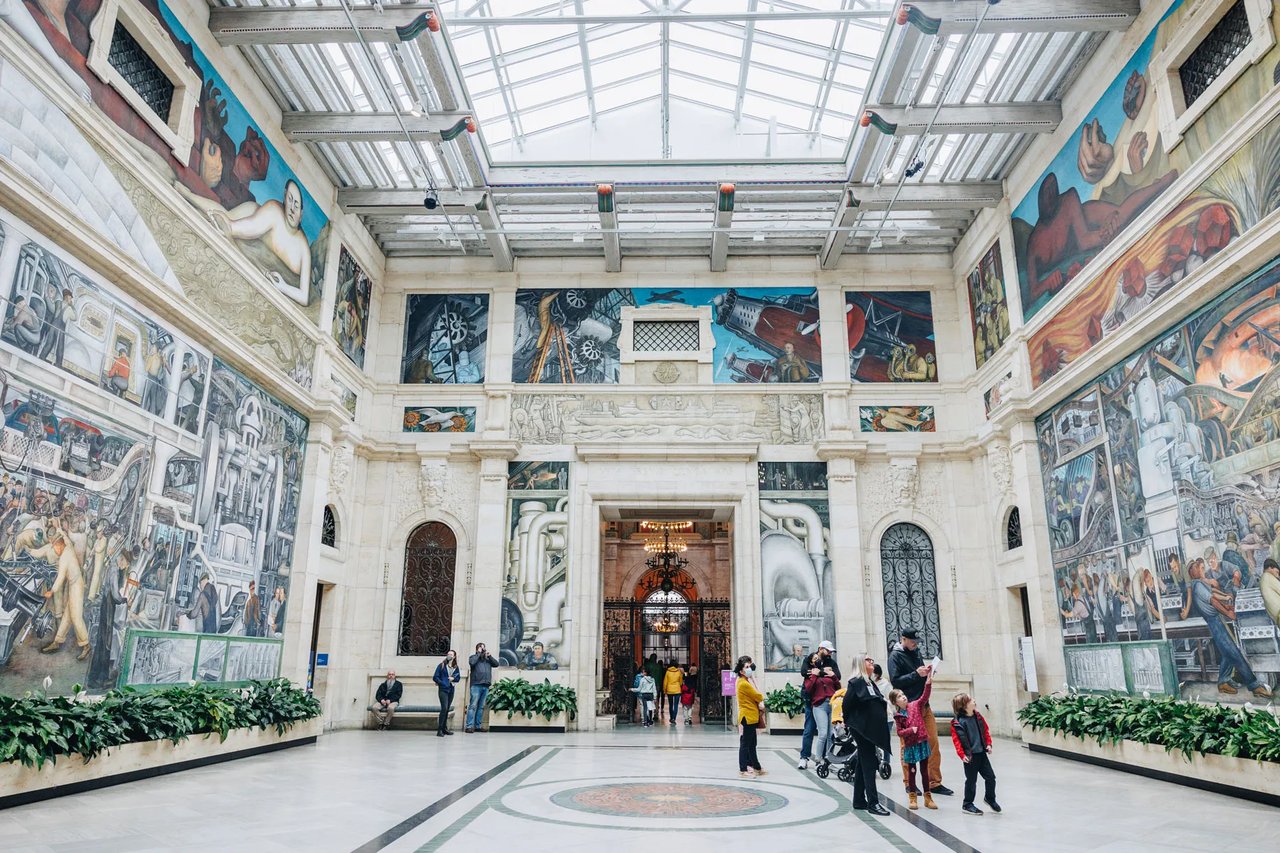
While many recognize the Detroit Institute of Arts for its world-renowned art collection, the building itself deserves equal appreciation. Completed in 1927 in the Beaux-Arts style, the museum conveys both elegance and permanence. Its symmetrical façade, grand staircases, classical columns, and beautifully proportioned galleries create an atmosphere that enhances the experience of viewing art.
Inside, visitors encounter one of the museum's greatest architectural and artistic treasures: Diego Rivera's monumental Detroit Industry Murals. These frescoes not only celebrate Detroit's manufacturing heritage but also demonstrate how architecture and public art can work together to create spaces of lasting cultural significance. The museum stands as a reminder that some of Detroit's greatest landmarks are admired not only for what they contain but for the buildings themselves.

Michigan Central Station
Few buildings have experienced a more dramatic transformation over the last decade than Michigan Central Station. For years, the station stood as one of Detroit's most recognizable symbols, an extraordinary Beaux-Arts landmark that had become synonymous with both the city's challenges and its potential. Its soaring windows, monumental columns, and grand waiting room hinted at the elegance that once greeted travelers arriving by rail.
Today, after one of the most ambitious restoration projects in Detroit's history, Michigan Central has been brought back to life. The restoration carefully preserved historic architectural details while adapting the building for a new era of innovation and technology. Rather than erasing its past, the project embraced it, demonstrating how historic preservation can become a catalyst for future growth. The station now serves as one of the strongest examples of Detroit's ongoing reinvention.

The Fox Theatre
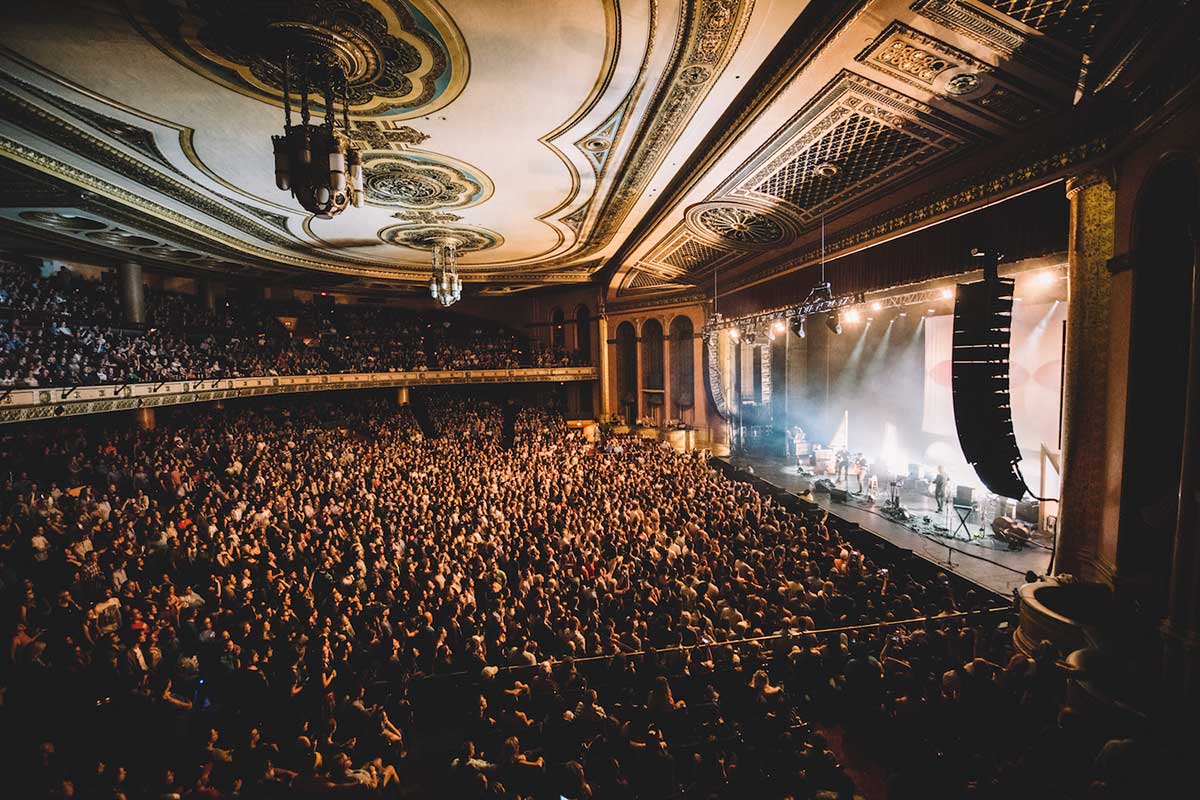
Walking into the Fox Theatre feels like stepping into another era. Opened in 1928, the theater remains one of the largest surviving movie palaces of its kind in the world. Its lavish interior combines influences from Asian, Middle Eastern, and European architecture, resulting in a space that feels almost impossibly ornate. Gold leaf, decorative plasterwork, carved wood, elaborate chandeliers, and richly detailed ceilings create an atmosphere unlike any modern entertainment venue.
The Fox Theatre continues to host concerts, Broadway productions, comedy performances, and special events, allowing visitors to experience both its architectural beauty and its original purpose nearly a century after opening. It remains one of Detroit's most treasured landmarks.
The Detroit Masonic Temple
Standing as the largest Masonic Temple in the world, the Detroit Masonic Temple is impossible to overlook. Completed in 1926, the building combines Gothic Revival architecture with extraordinary scale. Towers, arches, stained glass, carved stone, and cathedral-like interiors contribute to an atmosphere that feels both historic and mysterious.
Beyond its architectural significance, the building serves as an active event venue, hosting concerts, theatrical productions, weddings, community gatherings, and private events throughout the year. Its continued use reflects one of Detroit's greatest architectural strengths: many of its historic landmarks remain active parts of community life rather than simply becoming museums of the past.

The Penobscot Building
For decades, the Penobscot Building defined Detroit's skyline. Completed in 1928, this Art Deco skyscraper was among the tallest buildings in the world at the time of its construction. Its vertical emphasis, limestone detailing, decorative setbacks, and elegant proportions reflect the optimism that characterized Detroit during the late 1920s.
Although newer skyscrapers have since joined the skyline, the Penobscot Building remains one of downtown's defining landmarks and an enduring example of early twentieth-century skyscraper design. It stands as a reminder that Detroit once competed alongside New York and Chicago in shaping America's architectural future.
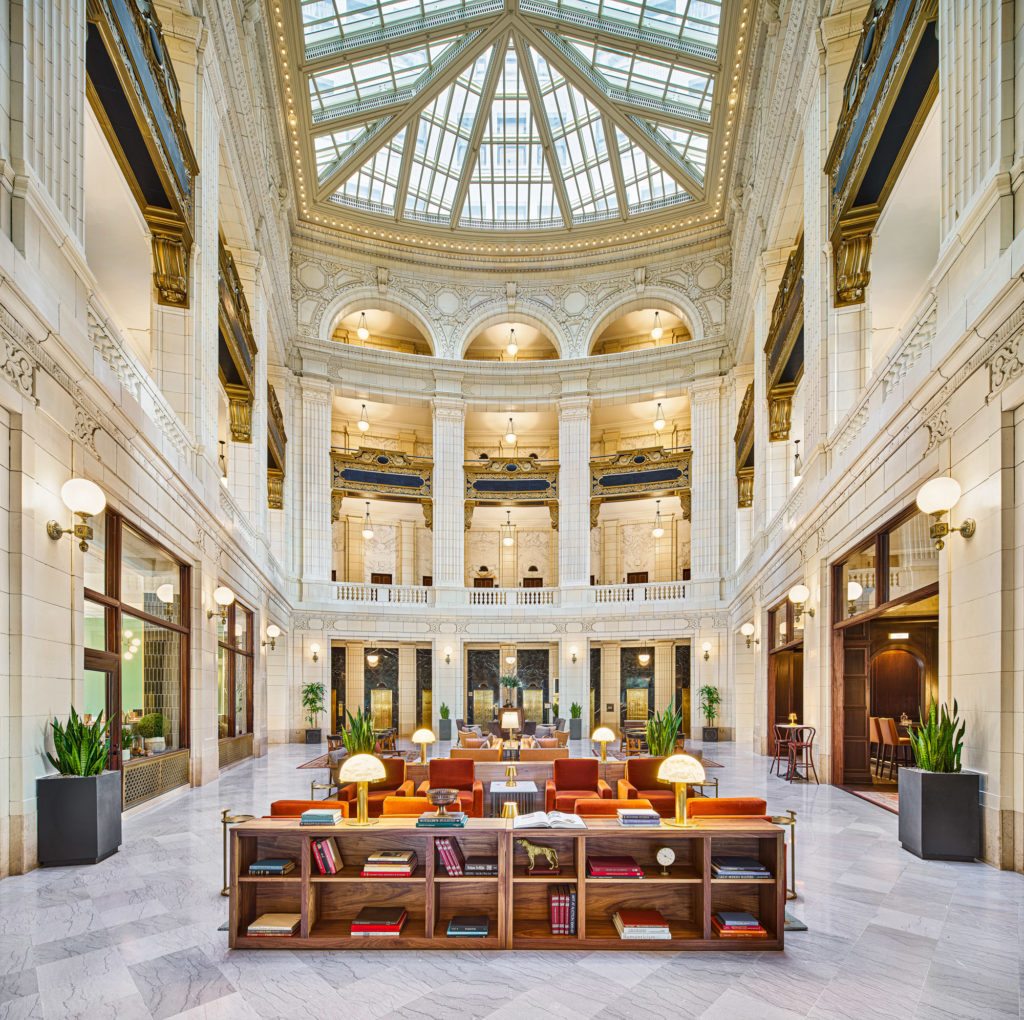
The David Whitney Building
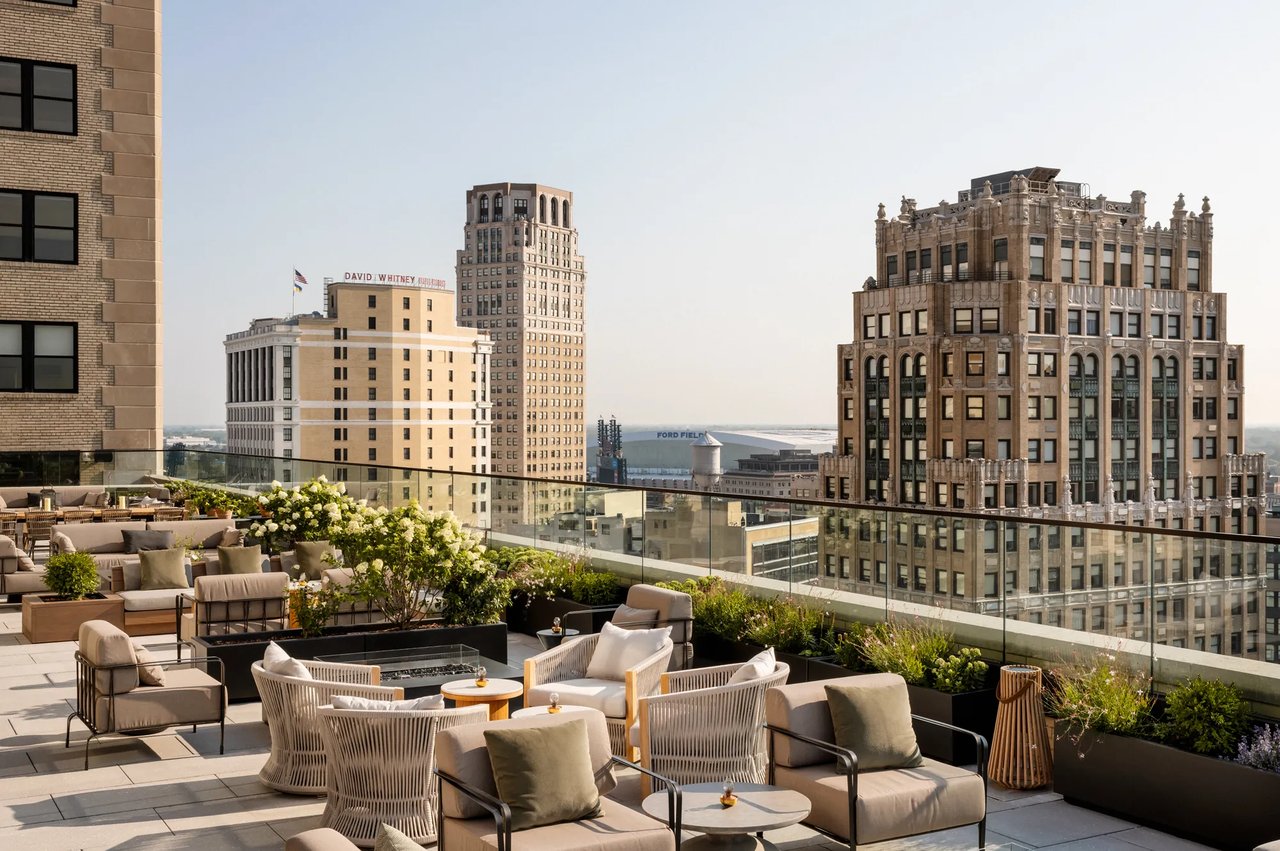
One of Detroit's most beautiful restorations can be found in the David Whitney Building. Originally completed in 1915, the building features an extraordinary four-story atrium crowned by a magnificent glass skylight. Marble floors, decorative ironwork, intricate plaster detailing, and elegant balconies create one of the city's most impressive interior spaces.
The building's restoration transformed it into a mixed-use development while preserving nearly every historic detail that made it famous. Today, visitors can experience the architecture firsthand while enjoying restaurants, hotel accommodations, and public gathering spaces housed within one of Detroit's finest historic buildings.

Boston-Edison Historic District
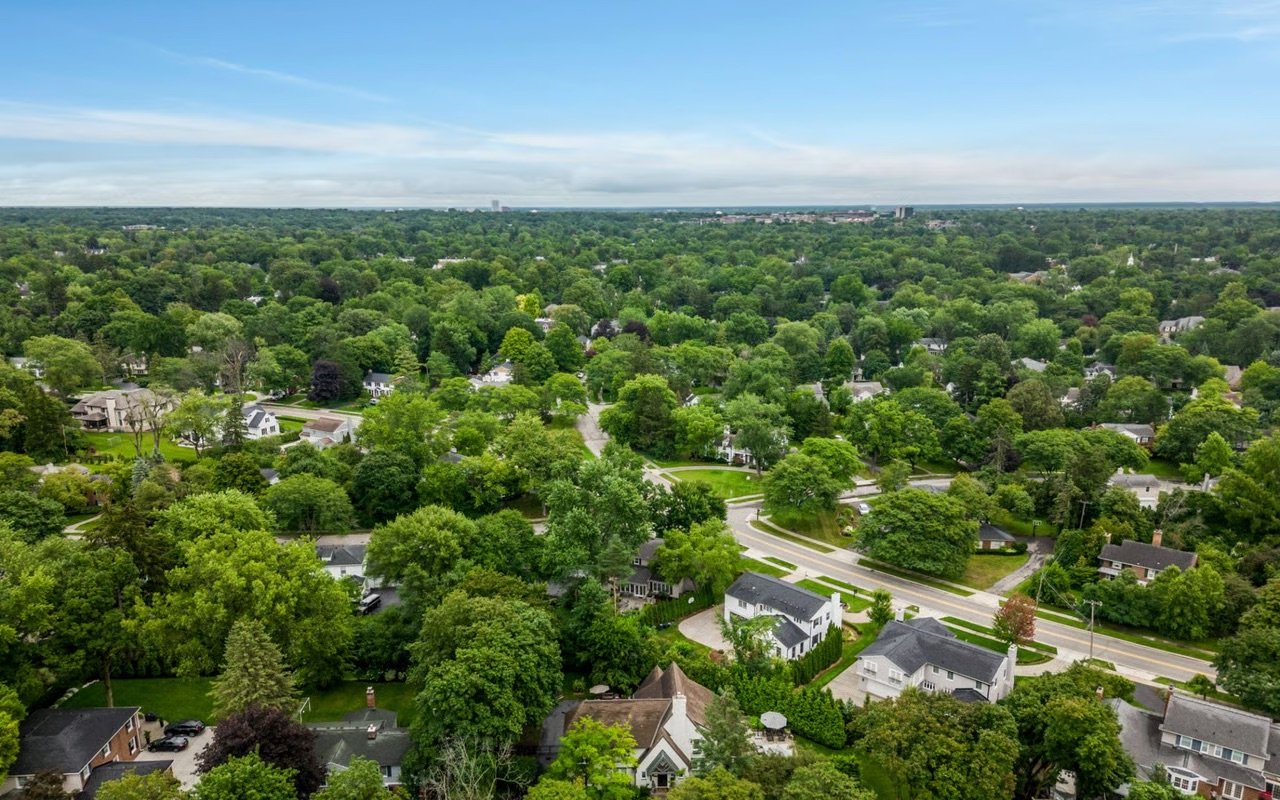
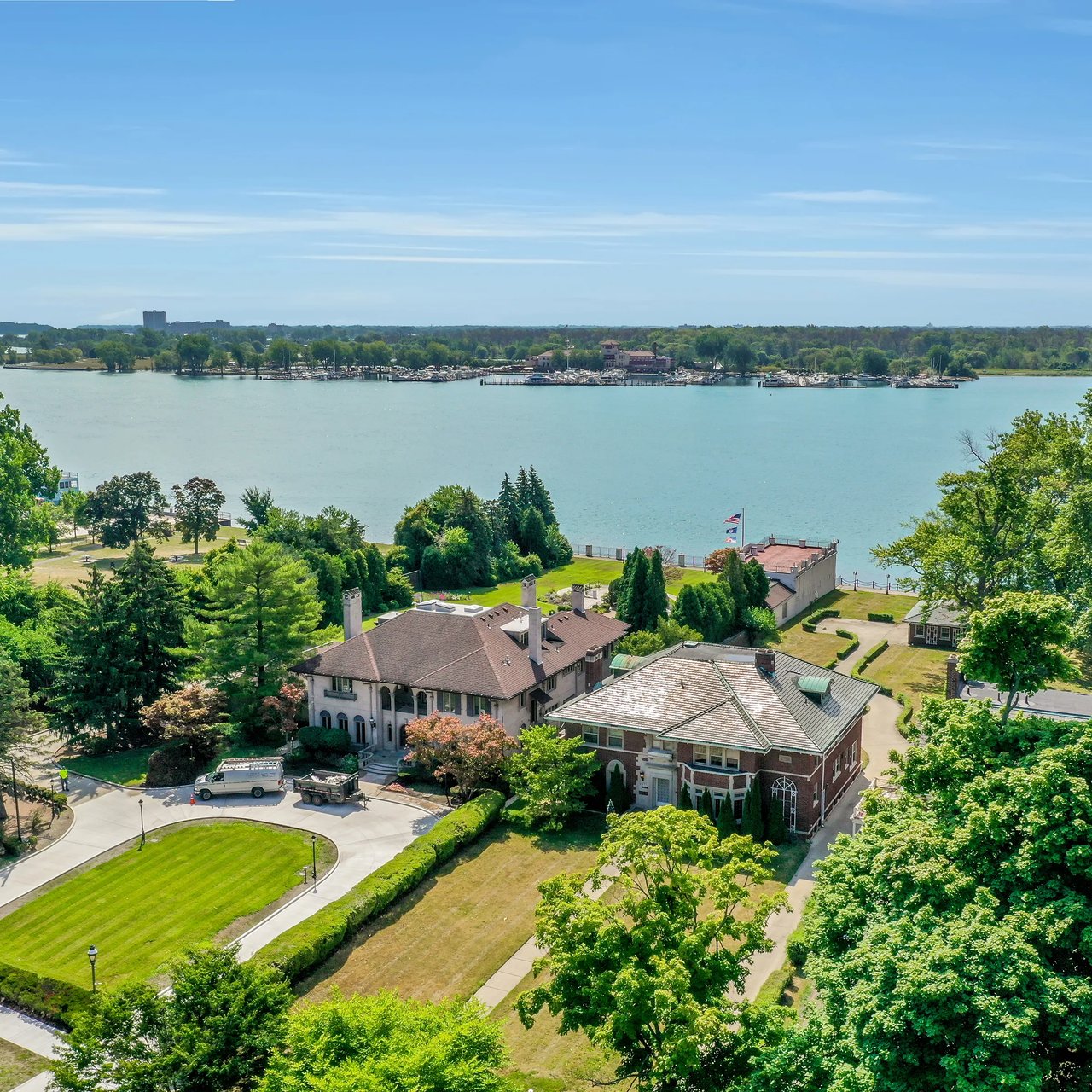
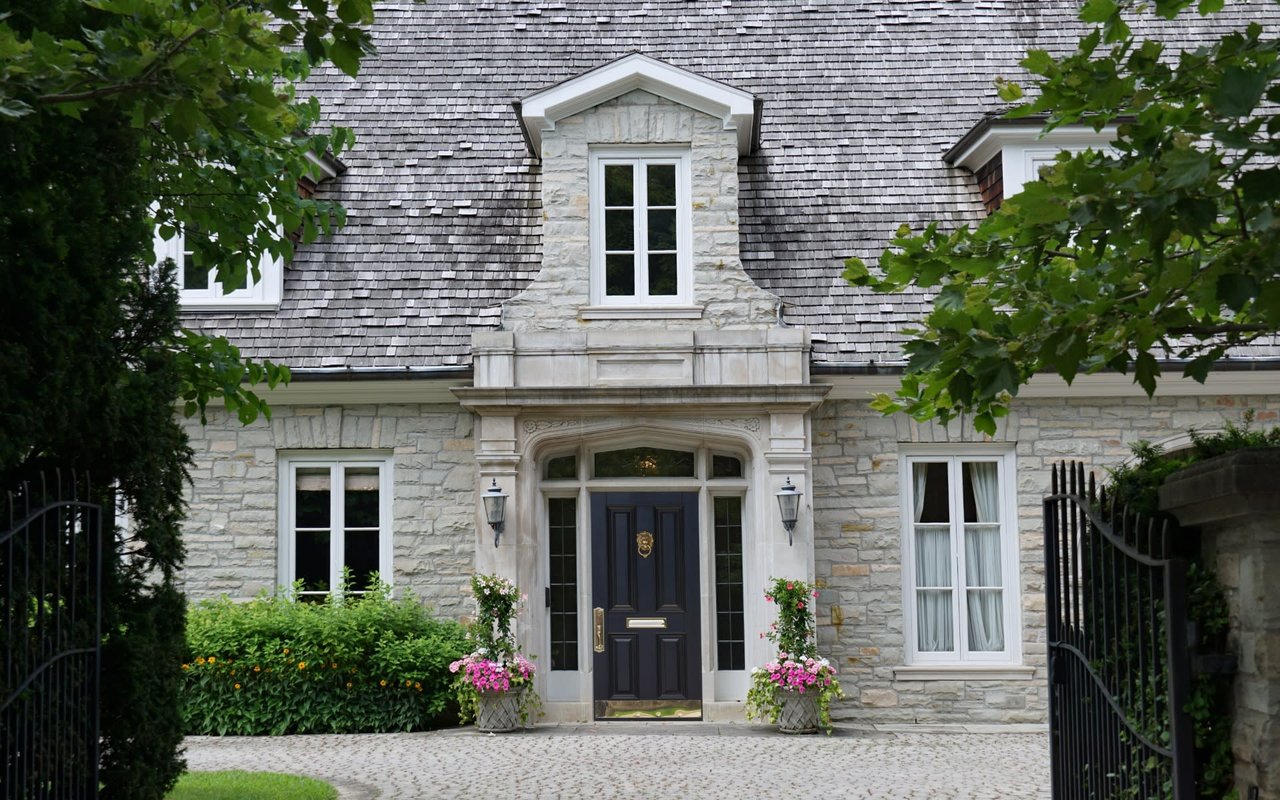
Not all of Detroit's architectural landmarks are skyscrapers. The Boston-Edison Historic District offers one of the finest collections of residential architecture anywhere in the Midwest. Developed primarily during the early twentieth century, the neighborhood showcases extraordinary examples of Tudor Revival, Colonial Revival, Craftsman, Georgian, Prairie, and Mediterranean architecture.
Many of Detroit's most prominent industrialists, business leaders, and public figures once called the neighborhood home. Walking through Boston-Edison feels like strolling through an outdoor architectural museum. Each street presents a remarkable variety of design styles while maintaining a cohesive sense of history and craftsmanship rarely found in modern developments. The neighborhood remains one of Detroit's most admired residential communities and demonstrates the city's architectural richness extends well beyond downtown.

The Spirit of Preservation
One of the most remarkable aspects of Detroit's architectural story is the city's growing commitment to preservation. Over the past decade, numerous historic buildings have been thoughtfully restored rather than replaced. Hotels, office buildings, apartment complexes, theaters, and public spaces have found new life through adaptive reuse projects that honor the original architecture while introducing modern functionality. This approach has allowed Detroit to preserve much of its historic identity while continuing to evolve as a modern city.
Rather than viewing historic buildings as obstacles to progress, Detroit increasingly sees them as assets that contribute to its uniqueness, economic vitality, and cultural identity. That philosophy has become one of the defining characteristics of the city's ongoing revitalization.
Architecture influences far more than skylines. It shapes neighborhoods, creates identity, preserves history, and connects generations. Buildings tell stories about the people who designed them, the communities that built them, and the eras they represent. For homeowners, architecture often influences where they choose to live. Historic neighborhoods, thoughtfully designed public spaces, and distinctive streetscapes contribute to quality of life in ways that extend far beyond property values.
Detroit offers this experience in abundance. From downtown's Art Deco masterpieces to Midtown's cultural institutions, from historic residential neighborhoods to beautifully restored landmarks, the city continues to demonstrate why it remains one of America's most architecturally significant destinations. Every building carries a story, and together, those stories form the foundation of Detroit's identity.
For visitors, they provide endless opportunities to explore. For residents, they create a sense of place unlike anywhere else. And for future generations, they serve as lasting reminders that great architecture doesn't simply define a skyline, it defines a city.