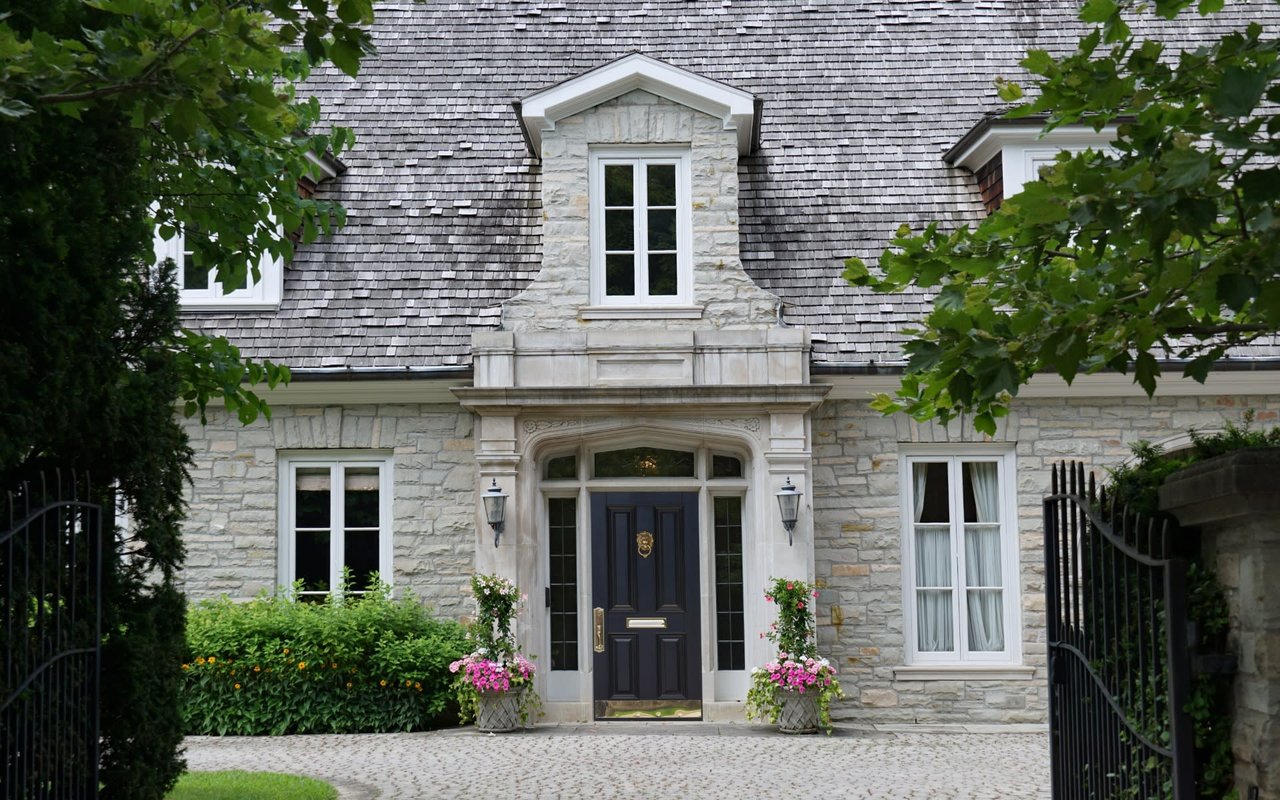
When buyers walk into a home for the first time, they're doing much more than evaluating square footage and floor plans. Within the first few moments, they're imagining what everyday life might look like there. They picture themselves cooking in the kitchen, hosting holidays in the dining room, enjoying mornings in the backyard, or relaxing in the living room after a long day. Those emotional reactions often begin before they've even finished walking through the front door.
That's why staging has become one of the most valuable tools when preparing a home for sale. Contrary to popular belief, staging isn't about making a home look expensive or trendy. It's about helping buyers see its full potential. The goal is to highlight the home's strengths, minimize distractions, and create an environment where buyers can easily imagine making it their own.
In today's market, where many buyers begin their search online and make split-second decisions about which homes to visit, presentation matters more than ever. Well-staged homes often photograph better, attract more attention online, generate stronger showing activity, and can even lead to faster sales and stronger offers.
Whether you're selling a historic home in Detroit, a colonial in Troy, a bungalow in Royal Oak, or a luxury property in Bloomfield Hills, thoughtful staging can help your home stand out.
1. Declutter Every Room
If there's one staging tip that consistently delivers the biggest impact, it's decluttering.
Over time, every home naturally accumulates belongings. Bookshelves become full, kitchen counters collect appliances, closets become packed, and decorative items slowly multiply. While these things make a house feel lived in, they can unintentionally make rooms appear smaller and distract buyers from the home itself.
The objective isn't to remove all personality. Instead, it's to create a sense of openness and simplicity that allows buyers to focus on the space rather than the belongings inside it. Clear countertops, organized closets, neatly arranged shelves, and minimal décor help rooms feel larger, brighter, and more functional. Buyers should notice the home, not the clutter.
One useful mindset is to begin packing before your home officially hits the market. Since you'll be moving anyway, boxing up items you won't immediately need serves two purposes: it prepares you for the move and creates a cleaner, more spacious presentation.
2. Deep Clean Like Never Before
Even beautifully updated homes can leave a poor impression if they don't feel clean. Buyers notice details that homeowners often stop seeing over time. Smudged windows, dusty ceiling fans, fingerprints on doors, stained grout, pet hair, and dirty baseboards can quietly influence how buyers perceive the overall condition of a home.
A spotless home communicates that it has been well cared for. Professional deep cleaning is often one of the highest-return investments sellers can make before listing. Sparkling kitchens, spotless bathrooms, polished floors, and fresh-smelling rooms help create an immediate sense of comfort and confidence. Cleanliness isn't just about appearance, it's about trust.
3. Let Natural Light Become Your Best Feature
Natural light has an incredible ability to make a home feel larger, warmer, and more inviting. Before every showing, open blinds, pull back curtains, and allow as much daylight as possible to fill each room. Clean windows also make a surprisingly noticeable difference, allowing more light to enter while improving views of the outdoors.
If certain rooms naturally receive less sunlight, thoughtful lighting can help compensate. Replacing dim bulbs, adding floor lamps where appropriate, and ensuring every light fixture works properly creates a brighter, more welcoming atmosphere. Buyers consistently respond positively to homes that feel light and airy.
4. Create Neutral, Inviting Spaces
While bold colors and highly personalized décor reflect individual style, they don't always appeal to every buyer. One of staging's primary goals is creating broad appeal.
Neutral paint colors, simple artwork, soft textures, and understated décor help buyers focus on the home's architecture rather than specific design preferences. This doesn't mean every room should feel sterile or lifeless. Instead, the goal is creating spaces that feel warm, welcoming, and easy to personalize.
Think of staging as providing buyers with a blank canvas rather than a finished painting. The easier it is for buyers to imagine their own furniture, family, and lifestyle within the space, the stronger their emotional connection often becomes.
5. Rearrange Furniture to Maximize Space
Furniture placement has a tremendous impact on how buyers perceive room size and functionality. Many homeowners arrange furniture based on years of daily living, but what works for everyday life doesn't always showcase a home's best features during showings.
Oversized furniture can overwhelm rooms. Too many pieces can interrupt natural traffic flow. Poor layouts may make otherwise spacious rooms feel cramped.
Thoughtfully rearranging, or even temporarily removing, certain furniture can dramatically improve how a space feels. Living rooms should encourage conversation. Dining rooms should feel open. Bedrooms should emphasize comfort without appearing overcrowded. Sometimes, less truly is more.
6. Don't Forget About Curb Appeal
The showing begins long before buyers step inside. The exterior of a home creates the first impression, and first impressions are remarkably difficult to change.
Simple improvements can dramatically enhance curb appeal. Fresh mulch, trimmed landscaping, seasonal flowers, neatly edged lawns, clean walkways, freshly painted front doors, and updated house numbers all contribute to a welcoming entrance.
Even small maintenance items deserve attention. Pressure washing the driveway, cleaning gutters, touching up exterior paint, and replacing worn welcome mats all help create a polished appearance. When buyers arrive excited by what they see outside, they're more likely to enter the home with positive expectations.
7. Make Every Room Have a Purpose
Empty rooms often leave buyers wondering how the space should be used. Similarly, rooms serving multiple unrelated purposes can create confusion.
Whether it's a spare bedroom, finished basement, loft, or bonus room, every space should clearly communicate its intended function. A guest room should look like a guest room. A home office should feel organized and productive. A reading nook should feel comfortable and relaxing.
Defined spaces help buyers understand how the home's square footage can support their own lifestyle. Even if buyers ultimately use the rooms differently, clear staging helps them appreciate the possibilities.
8. Appeal to the Senses
Staging extends beyond what buyers see. The overall atmosphere of a home influences how people feel while touring it.
Comfortable temperatures, fresh air, subtle scents, and quiet surroundings all contribute to a positive experience. Strong odors, whether from pets, cooking, smoke, or heavily scented candles, can become distractions that linger in buyers' minds long after the showing ends.
Soft background music during an open house, fresh flowers on the dining table, a bowl of seasonal fruit in the kitchen, or neatly folded towels in the bathroom can subtly elevate the overall presentation without feeling forced. The goal is creating an environment that feels welcoming, comfortable, and memorable.
9. Complete the Small Repairs Buyers Notice
Minor maintenance issues may seem insignificant individually, but together they can create the impression that larger problems exist beneath the surface. Loose cabinet handles, dripping faucets, chipped paint, squeaky doors, cracked switch plates, burned-out light bulbs, or running toilets are relatively inexpensive to fix, yet buyers notice them surprisingly often.
Addressing these small details before listing helps reinforce the perception that the home has been carefully maintained. When buyers aren't distracted by obvious maintenance items, they're able to focus on the home's strengths instead.
10. Stage for Photography, Not Just Showings
Today, nearly every buyer begins their search online. That means your home's first showing usually happens through professional photography rather than an in-person visit. Excellent staging should always consider how each room will appear in listing photos. Balanced furniture placement, uncluttered surfaces, bright lighting, and thoughtful décor all contribute to images that encourage buyers to schedule a showing.
Professional real estate photography works best when the home has already been carefully prepared. Together, staging and photography create one of the most powerful marketing tools available. After all, buyers can't fall in love with a home they never choose to visit.
Why Staging Works
The effectiveness of staging isn't simply about making a home prettier. It's rooted in psychology. Buyers naturally make emotional decisions before they justify them with logic. A home that feels bright, welcoming, spacious, and well cared for creates positive emotional responses almost immediately. Those feelings often influence how buyers perceive value, condition, and even price.
Staging also reduces mental obstacles. Rather than asking buyers to imagine what a room could become, staging helps them see the possibilities immediately. That emotional clarity often leads to stronger interest and faster decision-making.
One of the biggest misconceptions about staging is that it requires expensive furniture or a complete redesign. In reality, most successful staging focuses on editing rather than adding. It's about showcasing what already exists. It's about emphasizing natural light, improving flow, creating balance, and helping buyers focus on the home's best features.
Whether your home is a cozy starter house, a luxury estate, a downtown condo, or a suburban family home, thoughtful presentation can significantly influence how buyers experience the property. At the end of the day, buyers aren't simply purchasing walls, floors, and ceilings. They're buying the possibility of a future.
The more easily they can picture themselves living there, the more likely they are to make an offer, and the sooner your home may become their next chapter.