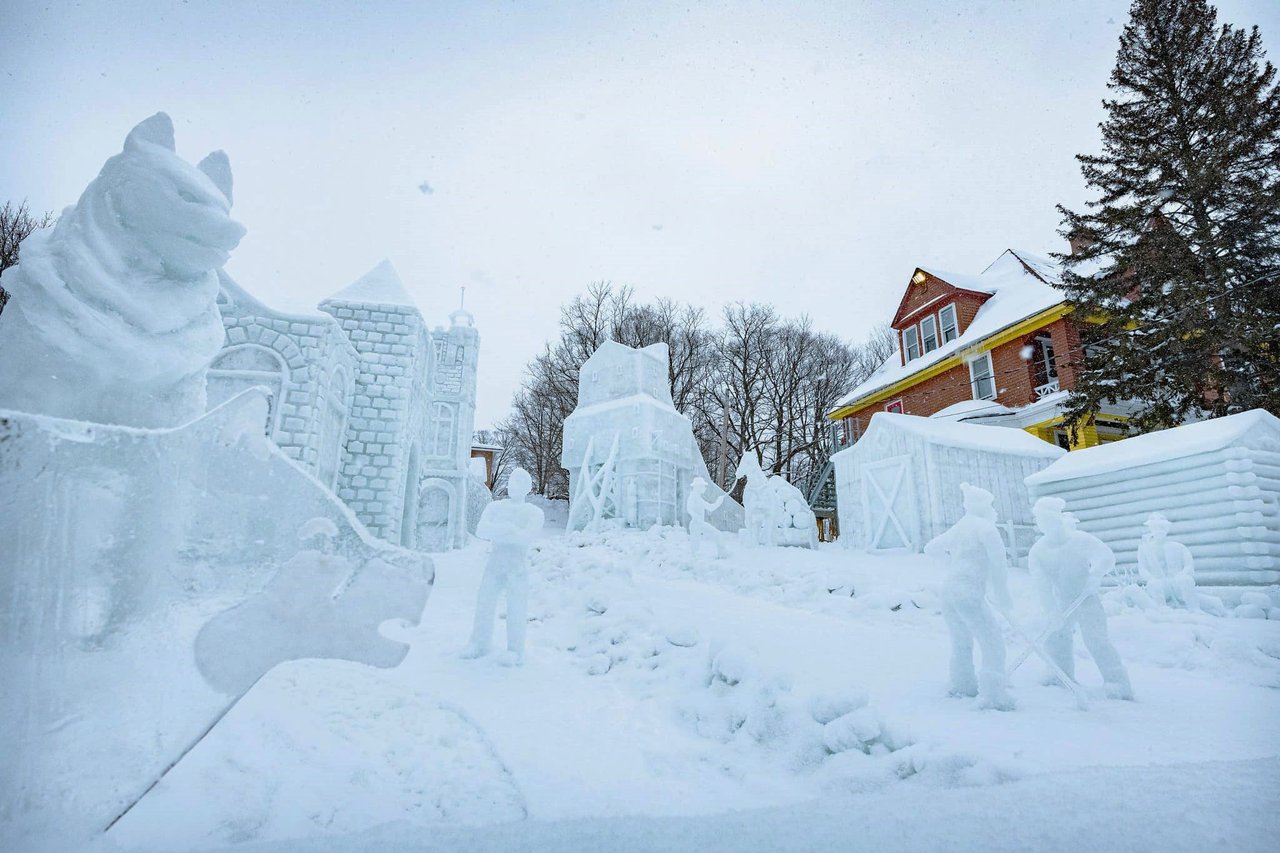
Anyone who has lived through a Michigan winter knows that the weather rarely stays predictable for long. One week might bring a relatively mild afternoon, and the next could bring freezing temperatures, heavy snowfall, and enough ice to make leaving the driveway a project of its own. While we cannot do much about the weather, we can make sure our homes are ready for it.
Preparing a home for winter is about more than bringing patio furniture inside and making sure the snow blower starts. Cold temperatures, fluctuating conditions, and accumulated snow can put additional stress on a home's plumbing, roof, heating system, and foundation. Taking care of a few maintenance items in the fall can help prevent some of the most common winter problems and make the home more comfortable when everyone is spending more time indoors.
Have Your Furnace and Heating System Inspected
Your heating system becomes one of the hardest-working parts of your home during a Michigan winter. Before temperatures consistently drop, schedule a professional inspection of your furnace, boiler, or heat pump to make sure everything is operating properly. A technician can check the system's components, clean necessary parts, identify potential issues, and make sure the equipment is functioning as it should. Discovering a problem in October is much more convenient than discovering it on a freezing January evening.
It is also important to stay on top of your furnace filter. A dirty filter restricts airflow and can make your system work harder than necessary. Check the manufacturer's recommendations for how frequently yours should be replaced, since the timing depends on the type of filter, your system, and household conditions. If you have a programmable or smart thermostat, take a few minutes to review the settings and make sure your heating schedule makes sense for your household.
A properly maintained heating system can make a noticeable difference in comfort and efficiency throughout the season. It is also worth paying attention to unusual noises, inconsistent temperatures between rooms, or a furnace that seems to be running constantly. Those changes may indicate that something needs attention before the coldest part of winter arrives.
Protect Your Pipes From Freezing
Frozen pipes are one of the winter problems homeowners want to avoid at all costs. When water freezes inside a pipe, it expands and can create enough pressure to cause the pipe to crack or burst. The resulting water damage can affect flooring, drywall, cabinetry, and personal belongings, sometimes extending well beyond the area where the pipe originally froze.
Start by identifying plumbing that runs through colder areas of the home, including unfinished basements, crawl spaces, garages, attics, and exterior walls. These pipes may need additional insulation, particularly if they are exposed to drafts or are located in areas without consistent heating. Check for openings around plumbing penetrations, electrical wiring, and dryer vents that could allow cold air to enter, and seal gaps where appropriate.
Before the first freeze, disconnect garden hoses from outdoor faucets and drain them. If your home has indoor shut-off valves for exterior spigots, close them and drain the remaining water from the lines according to the manufacturer's or plumber's guidance. During especially cold weather, opening the cabinet doors beneath sinks on exterior walls can help warmer indoor air reach the plumbing. If you are leaving town during winter, keep the heat on and arrange for someone to check the home periodically.
It is also worth knowing where your main water shut-off valve is located before an emergency happens. If a pipe does freeze or burst, being able to shut off the water quickly can help limit the damage. Michigan's winter preparedness guidance recommends keeping a home warm enough to protect its plumbing, including maintaining a thermostat setting of at least 55 degrees when away.
Clean Your Gutters and Check Your Downspouts
Gutters might not be the most exciting part of homeownership, but they become especially important once snow and ice enter the picture. Throughout the fall, leaves, twigs, and other debris can collect inside gutters and prevent water from draining properly. When temperatures drop, trapped water can freeze, contributing to ice buildup and potentially creating conditions for ice dams.
Before winter, clear your gutters and make sure your downspouts are free of obstructions. Check that water is being directed away from the foundation rather than collecting near the house. This is particularly important during Michigan's freeze-thaw cycles, when melting snow and winter rain can create water problems around the property.
If your home has large trees nearby, you may need to clean the gutters more than once during the fall. It is also a good time to check for loose sections, leaks, or areas that have pulled away from the roofline. If you are not comfortable working on a ladder, hiring a professional is a worthwhile investment. Keeping water moving in the right direction can help protect both the roof and the home's foundation.
Inspect Your Roof and Prepare for Ice Dams
Your roof takes on a lot during a Michigan winter. Between heavy snow, freezing rain, wind, and repeated melting and refreezing, even small existing problems can become more noticeable once winter weather sets in. Before the season begins, take a look at the roof from the ground and watch for missing, damaged, or curling shingles, loose flashing, and any visible signs of wear around chimneys, vents, or other roof openings.
One issue worth understanding is an ice dam. Ice dams can form when heat escapes into the attic and warms portions of the roof, causing snow to melt. As that water travels toward colder roof edges, it can refreeze and create a buildup of ice. Over time, additional melting snow can become trapped behind that ice and work its way beneath shingles, potentially causing leaks and interior water damage.
Keeping gutters clear is one part of prevention, but attic insulation and ventilation also matter. If your home has experienced ice dams or unexplained winter leaks in the past, it may be worth having a qualified roofing or insulation professional evaluate the attic and roof system. Simply removing visible snow or icicles does not address the underlying cause.
Seal Drafts Around Windows and Doors
If certain rooms in your home always seem colder than the rest, the issue may be drafts around windows and doors. Small gaps around frames can allow warm air to escape and cold air to enter, making your heating system work harder to maintain a comfortable temperature. Those drafts can also make a home feel less comfortable even when the thermostat is set appropriately.
Walk through the house and pay attention to areas where you can feel cold air coming through. Check the weatherstripping around exterior doors, inspect the caulking around window frames, and look for gaps where different materials meet along the exterior. Worn weatherstripping can often be replaced without a major project, while exterior caulking may need attention if it has cracked or separated.
Older homes throughout Metro Detroit can be particularly susceptible to drafts, especially if original windows and doors have not been updated. That does not necessarily mean everything needs to be replaced. Sometimes relatively simple improvements can make a noticeable difference in comfort. If you are considering larger upgrades, an energy assessment can help identify where improvements would be most beneficial.
Take Care of Your Outdoor Faucets and Irrigation System
Outdoor plumbing is easy to overlook when the weather is still relatively mild, but it should be addressed before freezing temperatures arrive. Water left inside garden hoses, exterior faucets, or irrigation lines can freeze and potentially damage the connected plumbing. Disconnecting hoses and draining outdoor lines helps reduce that risk.
If your property has an underground sprinkler system, arrange to have it properly winterized according to the system's requirements. This commonly involves removing water from the irrigation lines so it does not freeze and damage pipes or sprinkler components. Because irrigation systems vary, it is best to follow the manufacturer's instructions or have a professional handle the process.
You should also consider installing insulated faucet covers on exterior spigots where appropriate. These are relatively inexpensive and provide an additional layer of protection. It is a small task, but one that is much easier to complete before the first hard freeze than after a plumbing problem develops.
Trim Trees and Remove Vulnerable Branches
Snow and ice can add considerable weight to tree branches, particularly when they accumulate over several days. Branches that are already dead, damaged, or hanging over the roof may be more likely to break during a winter storm. A falling limb can damage shingles, gutters, siding, vehicles, fences, and even neighboring property.
Take a walk around the exterior of your home and look at the trees on your property. Pay attention to branches that hang over the roof, garage, driveway, or areas where people regularly walk. If you notice dead limbs or signs of damage, consider having a qualified tree professional evaluate the situation before winter weather makes the work more difficult.
This is especially important for homes with mature trees, which are common throughout established Metro Detroit neighborhoods. Large trees can add tremendous character to a property, but they also deserve regular maintenance. Taking care of vulnerable branches before winter can help protect the home while preserving the trees that make the landscape so appealing.
Prepare Your Driveway, Walkways, and Exterior
Once snow starts accumulating, the driveway and walkways quickly become part of your daily routine. Before winter, inspect the surfaces around your home for cracks, uneven sections, and drainage issues. Water can enter small cracks, freeze, expand, and contribute to additional deterioration over time. Addressing minor repairs before the ground freezes can help prevent them from becoming larger problems.
It is also a good time to make sure you have the supplies and equipment you will need. Check your snow blower, replace worn parts if necessary, and make sure your shovels are in good condition. Stock up on ice melt or another appropriate de-icing product, and consider keeping a smaller container near the front entrance for quick access.
If you have a long driveway or multiple walkways, think about where snow will be piled after a storm. Avoid blocking drainage areas or placing large snow piles where melting water could flow back toward the home. A little planning now can make those early-morning snow removal sessions much easier when winter is in full swing.
Check Your Fireplace, Chimney, and Carbon Monoxide Detectors
There is nothing quite like a fireplace on a cold Michigan evening, but it should be inspected before you start using it regularly. If you have a wood-burning fireplace or stove, arrange for the chimney to be cleaned and inspected by a qualified professional. Creosote buildup, damaged components, or blockages can create serious fire and ventilation hazards.
Gas fireplaces should also be checked according to the manufacturer's maintenance recommendations. Make sure the unit is operating properly and that vents are unobstructed. If you use a fireplace or other supplemental heating source, understand the manufacturer's safety instructions and never use equipment in a way it was not designed to be used.
Carbon monoxide detectors are particularly important during the heating season, when furnaces and other fuel-burning appliances are operating more frequently and homes are generally kept closed against the cold. Test your detectors, replace batteries when needed, and make sure you have working units near sleeping areas and on each level of the home as recommended by safety guidance. Smoke detectors should be checked at the same time. These are small tasks that can make an enormous difference in household safety.
Get Your Basement and Sump Pump Ready
Basements deserve a little extra attention before winter because melting snow, frozen ground, and changing temperatures can all affect how water moves around a property. Start by checking your basement for signs of existing moisture, including damp spots, water stains, musty smells, or cracks that appear to be worsening. Addressing a small water issue before it becomes a larger one can help prevent damage to finished spaces and stored belongings.
If your home has a sump pump, test it to make sure it is operating properly. Clear away any debris around the pit and check that the discharge line is unobstructed and directing water away from the foundation. If your sump pump has a backup battery, test that as well and confirm that it is ready to operate during a power outage.
It is also worth checking the drains near your property and making sure leaves have not accumulated around street storm drains. In areas where snow melts and rain falls on partially frozen ground, proper drainage becomes especially important. Oakland County's winter preparedness guidance specifically recommends checking drainage and keeping storm drains clear to help reduce the risk of water entering low-lying areas and basements.
Prepare for a Winter Power Outage
Winter storms in Michigan can bring more than snow-covered roads. Ice and strong winds can damage power lines, leaving homes without electricity for hours or sometimes longer. Since many homes rely on electricity for heating equipment, lighting, appliances, and sump pumps, having a basic outage plan is an important part of winter preparation.
Keep flashlights, extra batteries, a first-aid kit, bottled water, and nonperishable food in a location that is easy to access. It is also helpful to have warm blankets, necessary medications, pet supplies, and a battery-powered or hand-crank radio available. If you rely on a medical device that requires electricity, make sure you have discussed an appropriate backup plan with your healthcare provider.
If you own a portable generator, test it before winter and review the manufacturer's safety instructions. Generators must be operated outdoors, well away from windows, doors, and vents, because they produce carbon monoxide. Never run one inside a home, garage, or enclosed space. A little preparation can make a power outage much more manageable and help protect everyone in the household.
Don't Forget the Small Seasonal Details
Some of the easiest winter-preparation tasks are also the ones homeowners tend to forget. Bring in or properly store patio furniture, cushions, umbrellas, and decorative items that could be damaged by snow or strong winds. Empty outdoor planters that could crack when water freezes inside them, and store seasonal equipment somewhere protected from the elements.
If you have a pool, outdoor kitchen, or other seasonal feature, make sure it has been winterized according to the manufacturer's instructions. Check exterior lighting so that entrances, driveways, and walkways remain visible during shorter daylight hours. You may also want to replace worn entry mats and keep a boot tray near the door to manage the snow, salt, and moisture that inevitably make their way inside.
These smaller details may not prevent a major repair, but they help protect your belongings and make the home easier to live in throughout the season. Winter already brings enough inconveniences. Taking care of a few things ahead of time can make the everyday routine feel a little more manageable.
Preparing for winter does not mean every project needs to happen in one weekend. Start with the items that protect your home's most important systems, particularly your heating equipment, plumbing, roof, and drainage. Then work through the smaller maintenance tasks as time allows. If you notice something that requires a professional, schedule it before the first major snowfall rather than waiting until the problem becomes urgent.
Michigan winters are going to do what they do, but your home does not have to be caught off guard. A little attention before the snow arrives can help protect your investment, keep your household comfortable, and give you one less thing to worry about when the temperatures drop. And once the maintenance is taken care of, you can get back to enjoying the season, preferably from somewhere warm.